Le problème
Pourquoi l'OCR standard ne parvient pas à rendre les documents numérisés consultables

La solution
Comment Transkribus convertit les PDF manuscrits en texte consultable
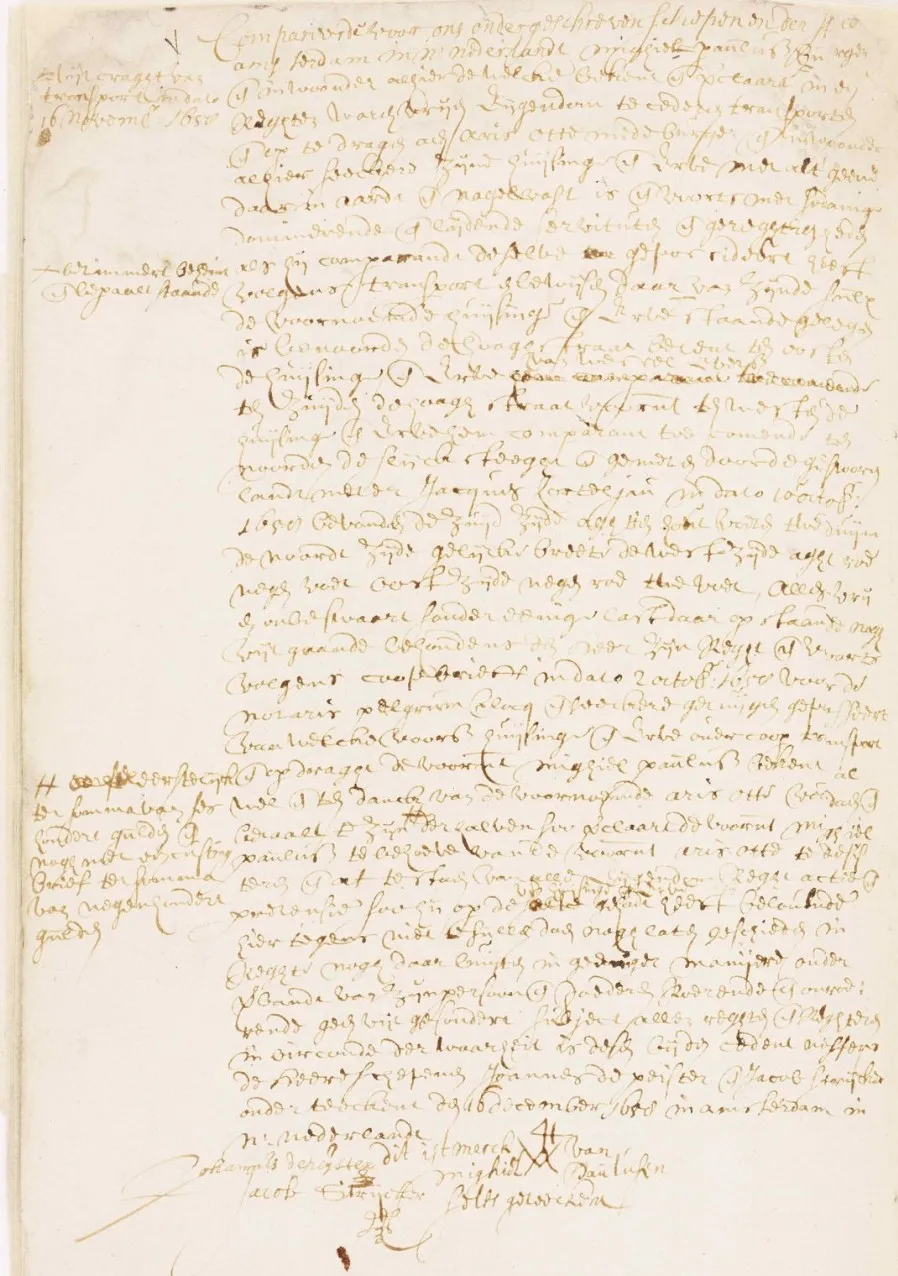
Comparaison
PDF consultable à partir de manuscrits : Transkribus HTR vs. OCR standard
Créer un PDF consultable à partir d'un document manuscrit nécessite une reconnaissance de texte précise. L'OCR standard produit des couches de texte masquées peu fiables sur les manuscrits, rendant le PDF en pratique non consultable.
| Feature | Transkribus HTR | OCR standard |
|---|---|---|
| Reconnaissance de l'écriture manuscrite | Modèles d'apprentissage profond entraînés sur des millions d'échantillons manuscrits — cursive, historique et moderne | Conçu uniquement pour le texte imprimé — l'écriture cursive produit des résultats illisibles |
| Précision de la recherche dans le PDF | La couche de texte masquée correspond à l'écriture réelle avec une précision de 90 à 98 % par caractère — les recherches trouvent ce que vous cherchez | La couche de texte masquée est en grande partie inexploitable sur les manuscrits — les résultats de recherche sont aléatoires et peu fiables |
| Écritures historiques | Prise en charge de Kurrent, Sütterlin, Copperplate, Secretary Hand et plus de 100 écritures depuis le IXe siècle | Aucune prise en charge des styles d'écriture historiques |
| Préservation de la mise en page | Conserve la mise en page originale dans le PDF — les coordonnées du texte correspondent à l'image numérisée | Mise en page basique — la couche de texte peut être désalignée sur les pages complexes ou multicolonnes |
| Création de PDF par lots | Importez des centaines de pages numérisées, traitez-les par lots et exportez en PDF consultable multipages | Traitement généralement page par page avec une prise en charge limitée du traitement par lots |
| Prise en charge multilingue | Plus de 100 langues et écritures prises en charge — même processus quelle que soit la langue du document | Prise en charge linguistique limitée, surtout pour les écritures non latines |
Cette comparaison porte sur la création de PDF consultables à partir de documents manuscrits. Les outils OCR peuvent donner de bons résultats sur du texte imprimé, mais peinent avec l'écriture manuscrite.
See text recognition in action
Beyond plain text, Transkribus can extract structured fields from documents — names, dates, references — making your PDFs not just searchable but structured.
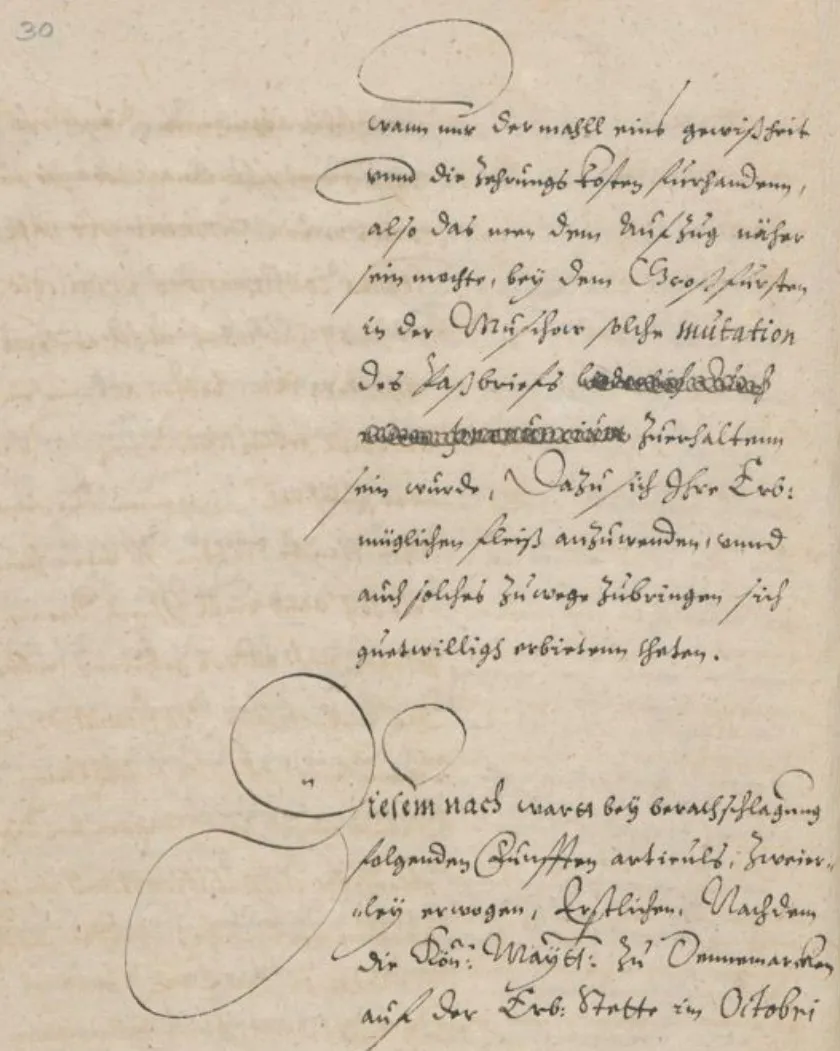
Ce qu'il gère
De la cursive à la ronde, du Kurrent à la bâtarde : un seul PDF consultable


Pour qui
Qui a besoin d'un générateur de PDF consultables pour l'écriture manuscrite ?

Questions fréquemment posées
Ressources associées
Plus de façons d'utiliser Transkribus

Prêt à rendre vos documents manuscrits consultables ?
Créez un compte gratuit et transformez vos documents numérisés en PDF consultables dès aujourd'hui. 50 crédits gratuits chaque mois — aucune carte bancaire requise.
50 crédits gratuits par mois — Aucune carte bancaire requise