Transkribus Sites
Discover manuscripts, letters, and historical records, made searchable and accessible by archives, libraries, and researchers worldwide. Create your Site →
 Switzerland
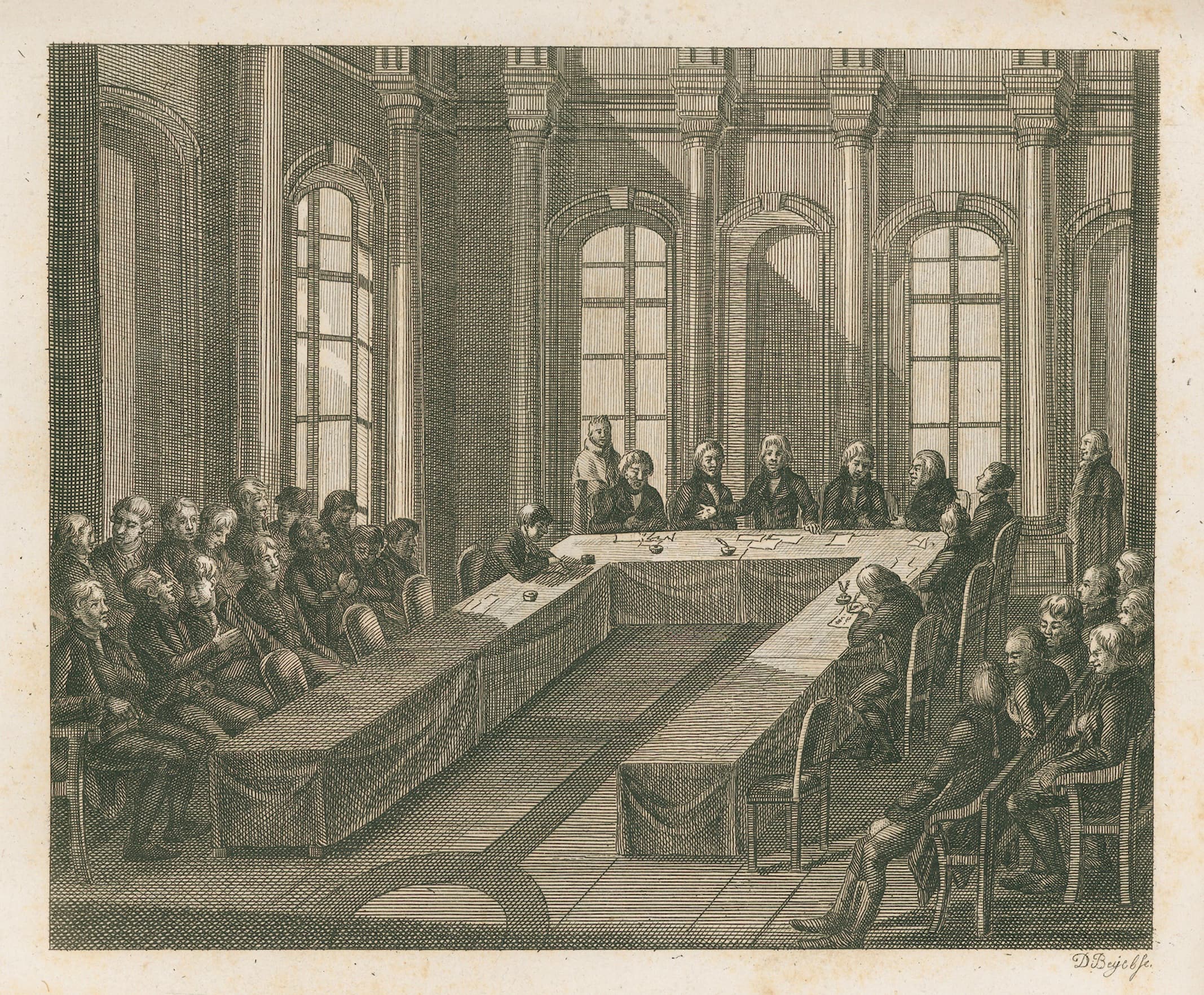
Staatsarchiv St.Gallen
Regierungsratsprotokolle 1803–1904Die an den wöchentlichen Sitzungen der Regierung gefällten Beschlüsse sind samt den zugehörigen Erwägungen in den sogenannt...
Published Dec 2023 United States
Rees Letter Collection
Dennis Rees Private Collection, Maize, Kansas.
Published Sep 2026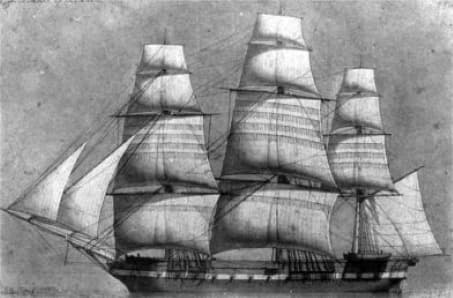 Denmark
Thornam Papers
Her vises Christian Thornams Dagbog fra 1ste Galathea Ekspedition 1845-47, samt breve sendt og modtaget på turen. Dagbog og breve er maskinoversat og rediger...
Published Jul 2025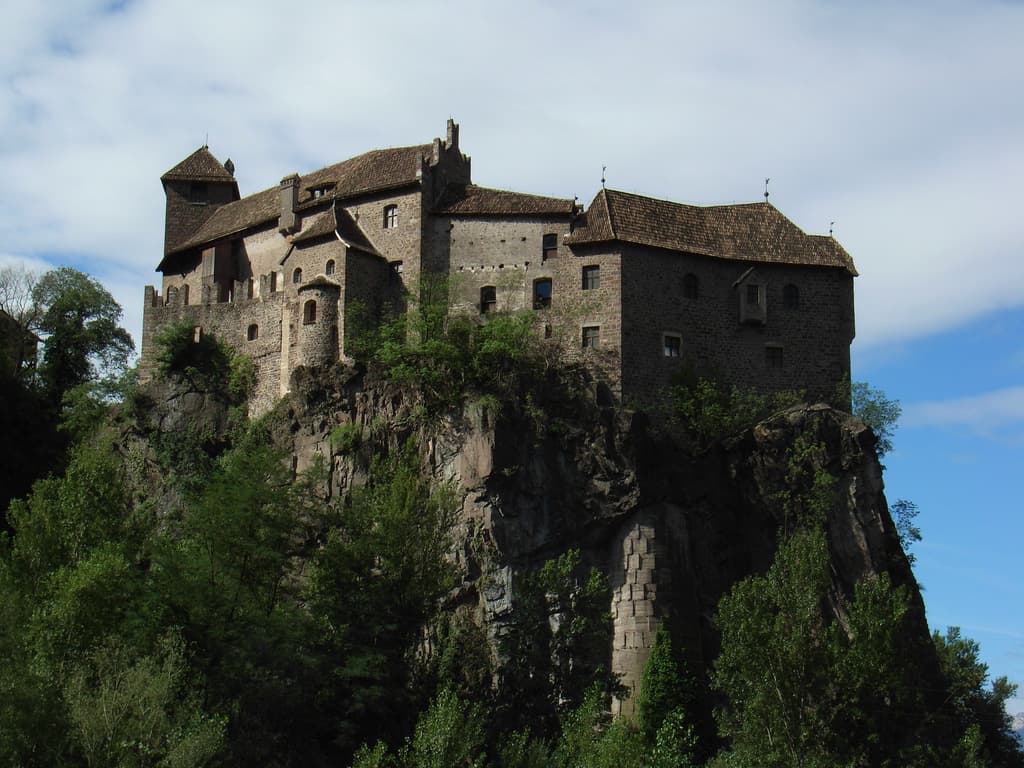
INVENTARIA
A Digital Humanities project by the Universities of Salzburg and Innsbruckhttps://www.inventaria.at/
Published Mar 2025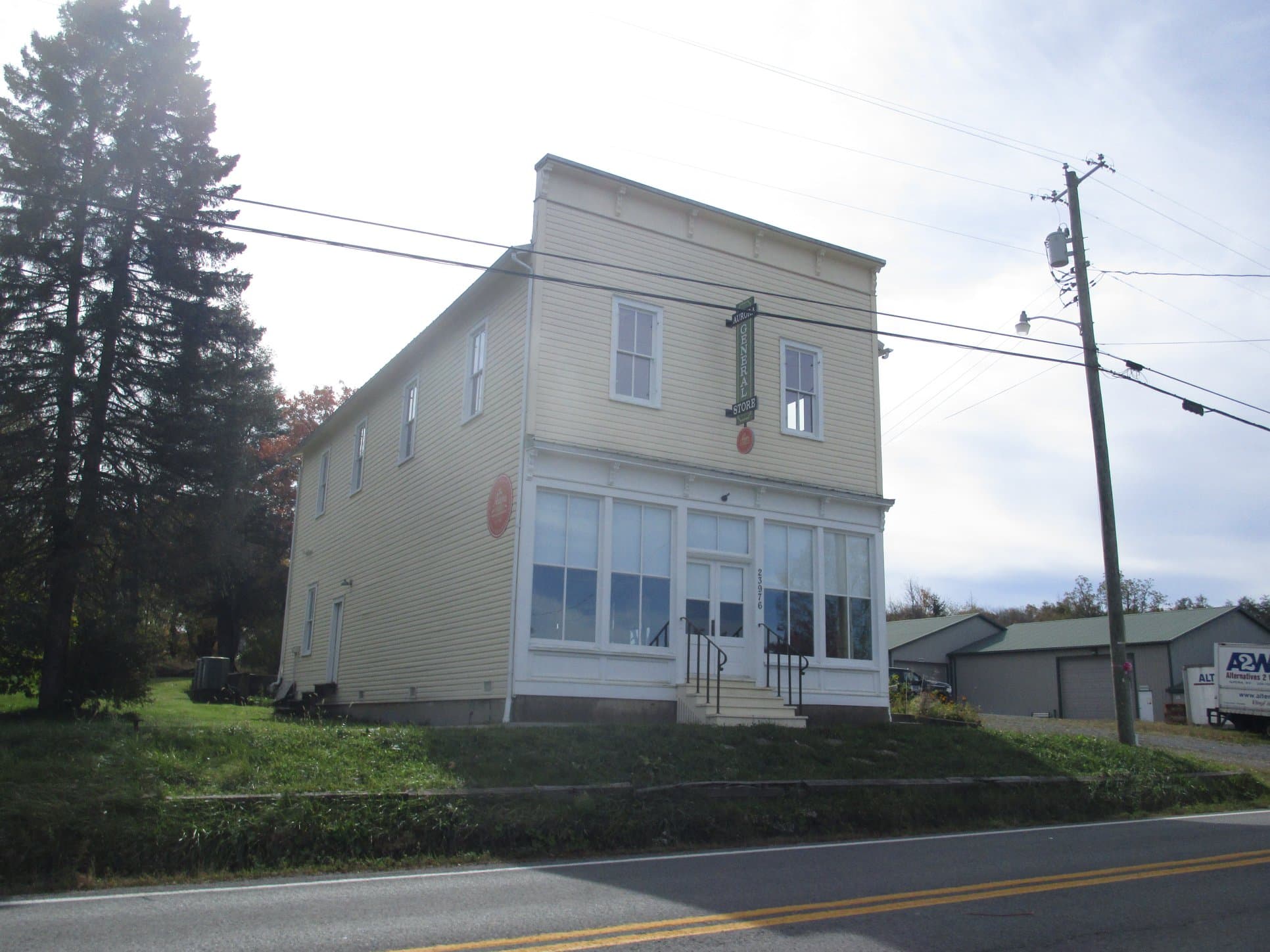 United States
German Settlement, WV - Ledgers
The ledgers contained in the site are from the German Settlement, West Virginia General Store (currently Aurora, WV). This project is currently in process, b...
Published Feb 2025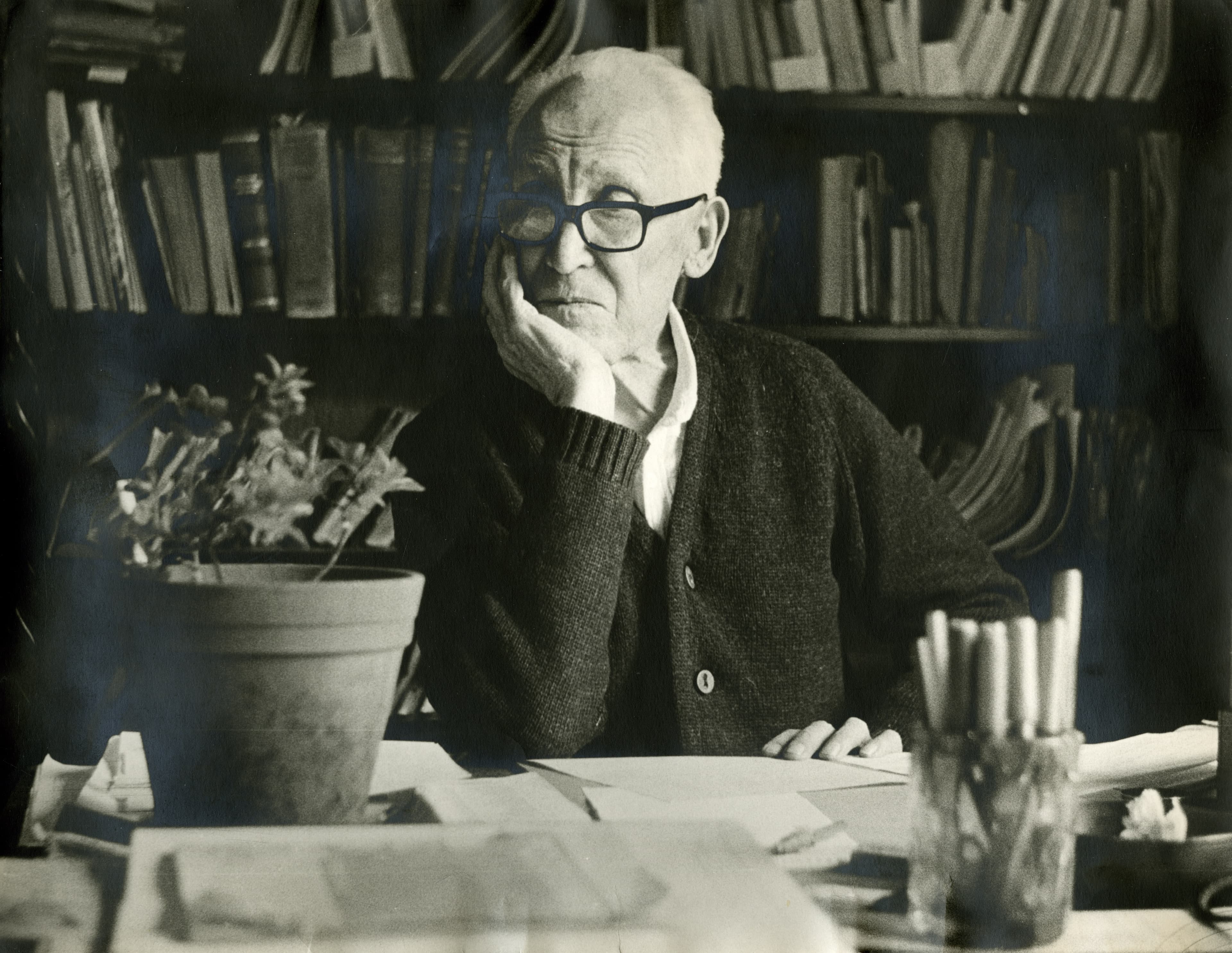
 Denmark
Planteskoleejer Aksel Olsens breve
Planteskoleejer Aksel Olsen (1887-1982) var ejer af planteskolen Brændkjærhøj i på Chr. 4. vej 13 i Kolding, og han blev senere grundlæggeren af Geografisk H...
Published Mar 2025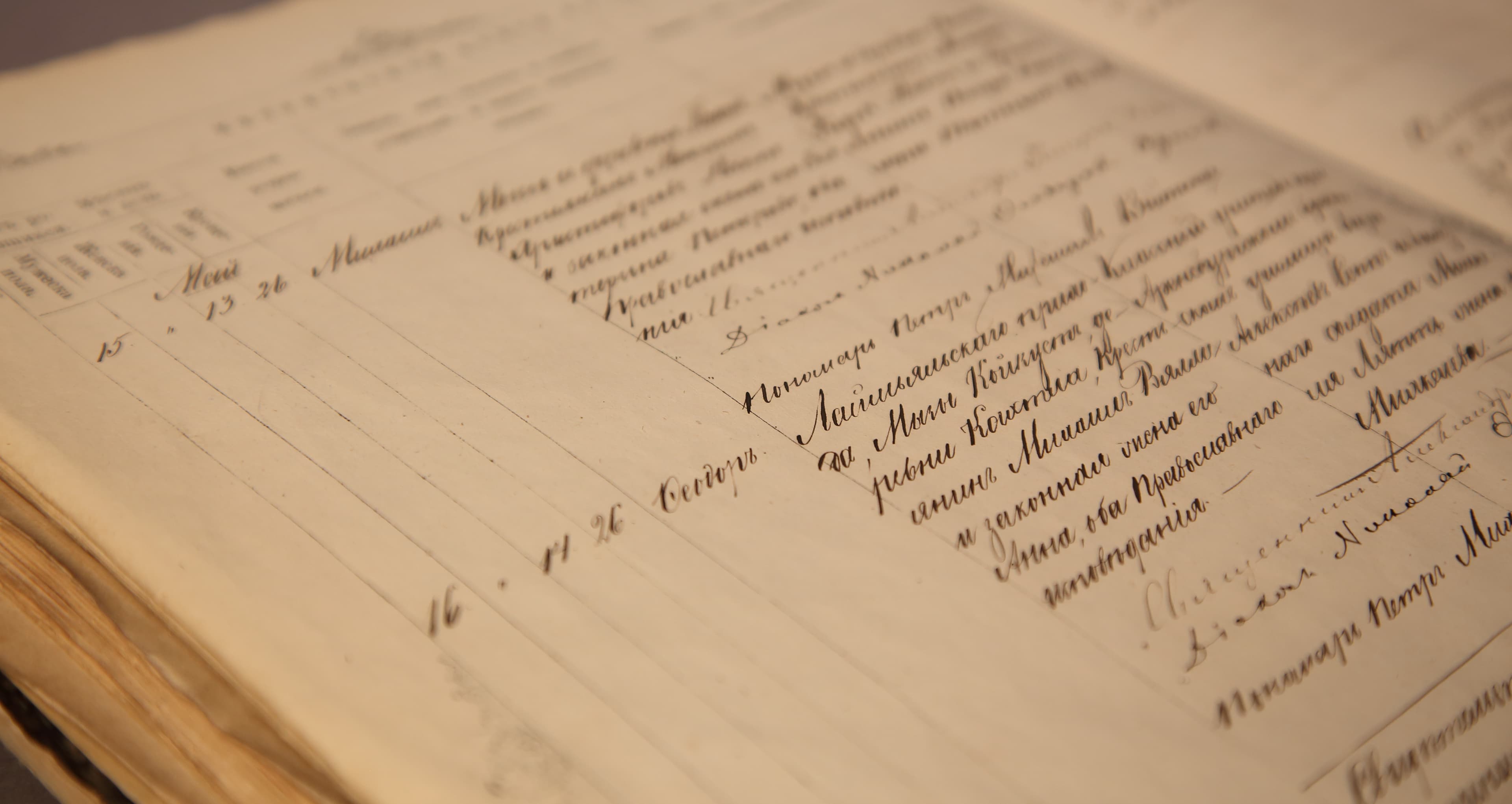
 Estonia
Rahvusarhiiv
Published Feb 2024 Australia
Jack Dunstan diaries
Jack Connon Dustan (3 April 1916 - 11 January 2003) was a remarkable man. In 1953 at age 37 he took an approx. 2 year sabbatical from his job in Adelaide and...
Published Jun 2024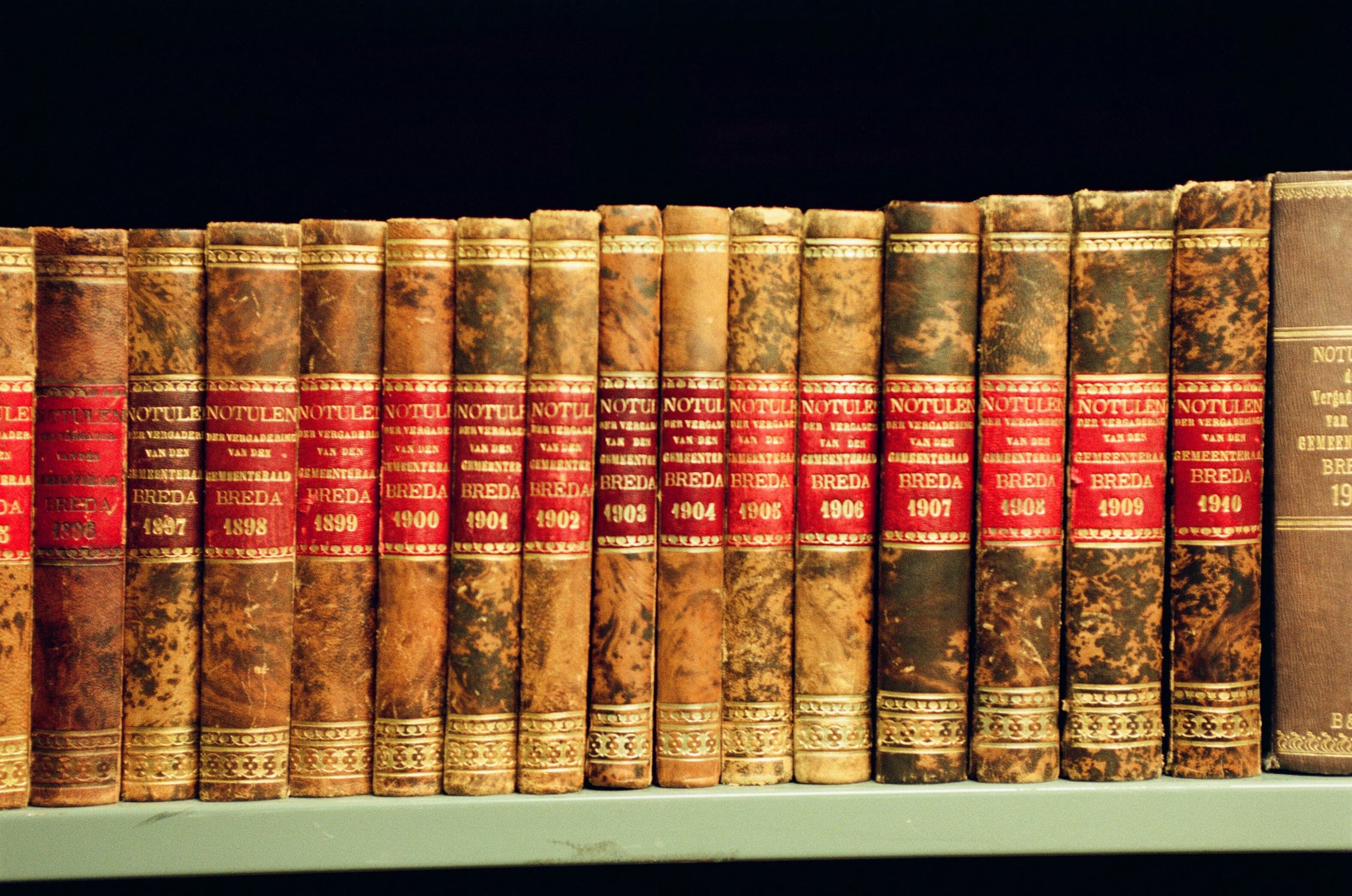
 Netherlands
Notulen van het Stadsbestuur van Breda
Stadsarchief & Archeologie Breda
Welcome to the Transkribus website of Stadsarchief Breda! Here you'll find all the transcripts of the handwritten city council minutes from 1815 to 1885. You...
Published Jun 2025
 Netherlands
Gemeentearchief Schiedam
Gemeentearchief Schiedam
Explore the transcribed sources of the Schiedam Municipal Archive. The 17th, 18th and 19th-century notarial deeds and sources from the city government betwee...
Published May 2024
 Germany
Historische Sammlungen Moenchengladbach
The database contains digitised content from the library of the Volksverein für das katholische Deutschland, which is housed in the Mönchengladbach City Libr...
Published May 2025
 New Zealand
New Zealand Alpine Club
New Zealand’s alpine heritage at your fingertipsPicture by Peter Laurenso: Aoraki/Mt. Cook
Published Oct 2024How to Create a Transkribus Site
From scanned documents to a fully searchable online edition in four steps. No coding required.
Upload & Transcribe
Upload your scanned documents to Transkribus and use AI text recognition to generate searchable transcriptions. Works with handwriting, print, and tables.
Enrich & Organise
Tag persons, places, and dates. Build document hierarchies, correct transcriptions, and structure your collection into browsable categories.
Design your Site
Use the built-in CMS to create a Home page, an About page with drag-and-drop content blocks, custom modules, and multilingual support with a language toggle. Apply your institution's branding, colours, and footer links.
Publish & Explore
Connect your collection, select a subscription plan, and publish. Visitors get full-text search with fuzzy matching, tag-based browsing, document hierarchy navigation, and a high-resolution viewer.
Everything You Need to Publish Online
Transkribus Sites is a purpose-built platform for publishing digitised document collections. Powered by AI handwritten text recognition, it turns scanned manuscripts, letters, and archival records into fully searchable digital scholarly editions, accessible from any device.
No Exports, No Migration
Transkribus Sites connects directly to your Transkribus collections. Train AI models, transcribe handwritten text, and tag entities, then publish with one click. Connect multiple collections to a single Site. Every update you make in Transkribus is reflected live.
Full-text Search
Visitors can search every transcribed page with powerful fuzzy matching that handles historical spelling variants, abbreviations, and OCR imperfections. Results link directly to the matching page and highlight the search term in context.
Tags & Document Hierarchies
Named-entity tags (persons, places, dates) let visitors browse and filter your collection. Document hierarchies provide structured, folder-like navigation so users can explore large archives by series, volume, or any custom structure you define.
Built-in CMS
Create a Home page with background images and descriptions, an About page with drag-and-drop content blocks (text + image layouts), and your own custom modules. Rearrange content blocks to build the narrative that fits your project.
Multilingual Support
Add multiple interface languages with a built-in language toggle. Translate all UI text, page content, and metadata through a key-value editor. Preview translations instantly to ensure your Site works for an international audience.
Branding, Analytics & Collaboration
Apply your institution's colours, logo, and footer links. Track visitor behaviour with built-in analytics. Invite team members as Site collaborators with controlled access so multiple people can manage content and settings.
Want to publish your own digital collection?
Create a searchable online edition of your handwritten documents with Transkribus Sites. Used by state archives, university libraries, and cultural heritage institutions across 20+ countries.
Frequently Asked Questions
Do I need to export documents before publishing them on a Site?
No. Transkribus Sites ties in seamlessly with your Transkribus collections. You don't need to export documents. Just connect your collection and publish.
Can I continue editing after publishing?
Yes. You can continue working on your collection in Transkribus. Any changes (corrected transcriptions, new documents, updated tags) will be reflected on your Site once you re-publish.
Is Transkribus Sites customisable for my institution?
Yes. You can customise the visual appearance (colours, logo, background images), add multilingual content pages, and configure which metadata fields are displayed. Advanced technical customisations are available on request.
Can tags and annotations be displayed?
Yes. Tags created in Transkribus (such as person names, places, and dates) can be browsed and searched on your published Site, enabling structured exploration of your collection.