Het probleem
De verborgen collectiecrisis: archiefdigitaliseringsachterstanden blijven groeien
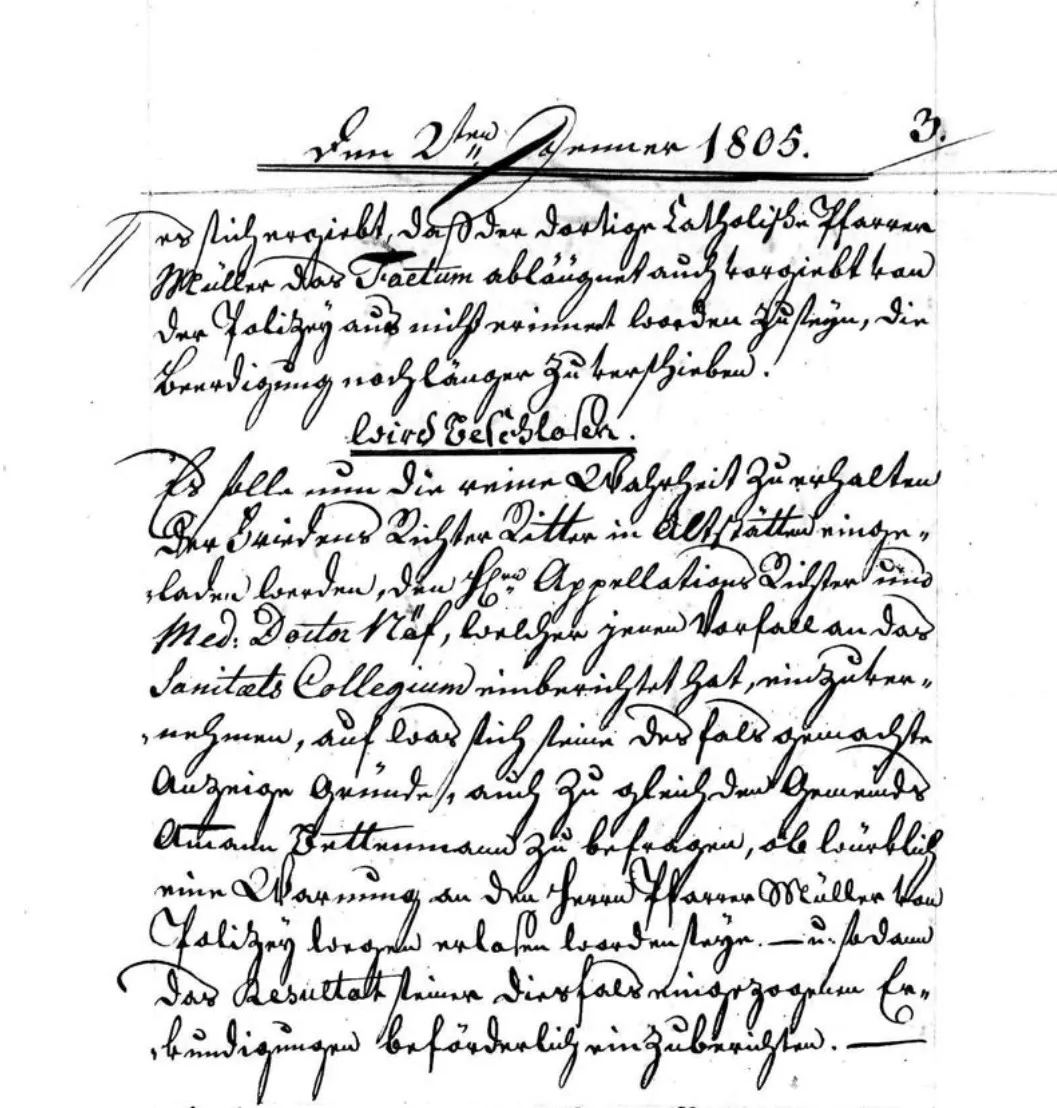
De oplossing
Verminder archiefachterstanden met AI: van onverwerkte dozen naar doorzoekbare registraties
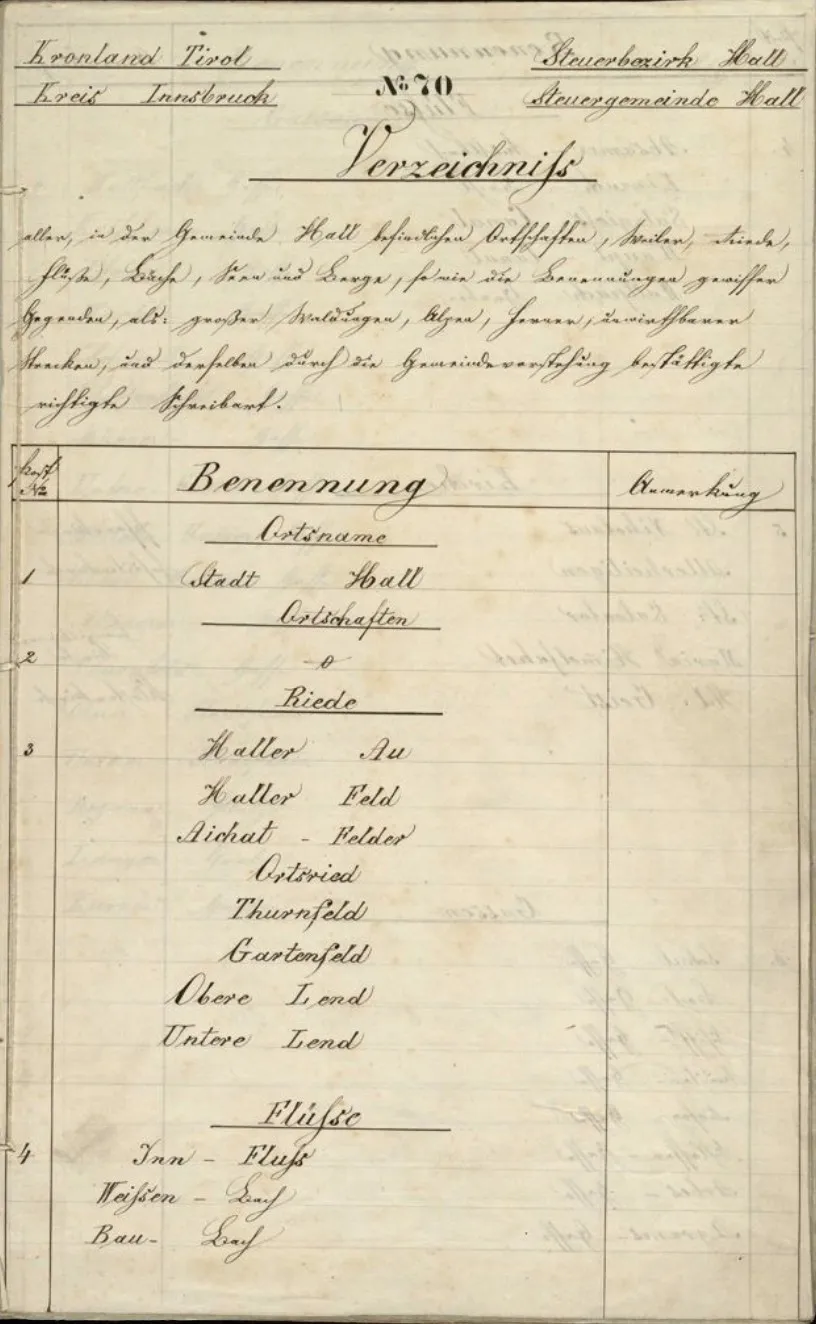
Vergelijking
AI-ondersteunde verwerking vs. handmatige transcriptie voor archieven
Archieven kampen met een fundamenteel verwerkingsprobleem: miljoenen pagina's die wachten om gecatalogiseerd, doorzoekbaar en toegankelijk te worden gemaakt. Zo verhoudt AI-ondersteunde verwerking zich tot traditionele handmatige werkprocessen.
| Feature | Transkribus AI-verwerking | Handmatige transcriptie |
|---|---|---|
| Verwerkingssnelheid | Duizenden pagina's per dag met batchverwerking — schaalt mee met de omvang van de collectie | Een ervaren transcribent verwerkt 5–15 pagina's per dag, afhankelijk van de moeilijkheidsgraad |
| Kosten per pagina | Een fractie van een cent per pagina dankzij creditgebaseerde prijzen | Arbeidsintensief — de kosten lopen lineair op met elke pagina |
| Consistentie | Hetzelfde model levert consistente resultaten over duizenden pagina's | Kwaliteit verschilt per transcribent, door vermoeidheid en interpretatieverschillen |
| Doorzoekbaarheid | Elke verwerkte pagina wordt direct doorzoekbaar op volledige tekst | Alleen getranscribeerde pagina's zijn doorzoekbaar — de achterstand blijft ontoegankelijk |
| Omgang met historische schriften | Meer dan 300 publieke modellen voor schriften van de 9e eeuw tot heden | Vereist gespecialiseerde paleografische kennis — weinig medewerkers beschikken over de benodigde vaardigheden |
| Tijd tot toegang | Collecties worden binnen dagen of weken na digitalisering toegankelijk | Achterstanden van jaren of zelfs decennia zijn gebruikelijk bij grote instellingen |
| Kwaliteitscontrole | Betrouwbaarheidsscores markeren onzekere regels voor gerichte handmatige controle | Vereist volledige proeflectuur van elke transcriptie |
De vergelijking geeft een beeld van typische institutionele werkprocessen. AI-verwerking werkt het best als aanvulling op menselijke expertise — een geautomatiseerde eerste doorgang met gerichte handmatige controle.
Hoe een archiefcollectie verwerken in 4 stappen
Upload gescande collecties
Upload volledige series of fondsen als meerpagina-PDF's, TIFF's of afbeeldingsbatches. Transkribus verwerkt de lay-outdetectie — kolommen, tabellen, marginalia — automatisch.
Selecteer een AI-model
Kies uit 300+ publieke modellen gefilterd op taal, eeuw en schrifttype. Voor gemengde collecties kun je meerdere modellen draaien op verschillende documentgroepen binnen hetzelfde project.
Voer batchherkenning uit
Zet duizenden pagina's in de wachtrij voor verwerking. Transkribus voert tekstherkenning uit op de achtergrond — geen handmatige tussenkomst vereist. Volg de voortgang via het dashboard.
Exporteer en integreer
Exporteer resultaten als PAGE XML, ALTO XML, TEI-XML, platte tekst of doorzoekbare PDF. Importeer rechtstreeks in ArchivesSpace, AtoM of publiceer via Transkribus Sites.
Op schaal
Geautomatiseerde archiefverwerking met de Transkribus API
import requests

API = "https://transkribus.eu/processing/v1"
TOKEN = "your-api-token"

# 1. Upload collection
upload = requests.post(f"{API}/uploads",
  headers={"Authorization": f"Bearer {TOKEN}"},
  json={"collectionId": 12345}
)

# 2. Start recognition on all pages
job = requests.post(f"{API}/processes",
  headers={"Authorization": f"Bearer {TOKEN}"},
  json={
    "docId": upload.json()["docId"],
    "htrId": 53042,   # model ID
    "pages": "all"
  }
)

# 3. Poll for completion
status = requests.get(
  f"{API}/processes/{job.json()['processId']}",
  headers={"Authorization": f"Bearer {TOKEN}"}
).json()
print(f"Status: {status['state']}")
Veelgestelde vragen
Gerelateerde bronnen
Meer voor archieven en instellingen

Klaar om je archiefachterstand aan te pakken?
Neem contact op met ons team over institutionele plannen voor grootschalige collectieverwerking, of maak een gratis account aan om Transkribus te evalueren op je eigen materialen.
Gebruikt door 2.000+ archieven en bibliotheken wereldwijd