Historical council minutes — finally searchable.
Turn handwritten Ratsprotokolle from four centuries of Kurrent, Sütterlin and Latin hands into full-text searchable records. We scan, transcribe and publish — or you run it yourself on the Transkribus platform.
European servers · GDPR compliant · No data transfer to third countries
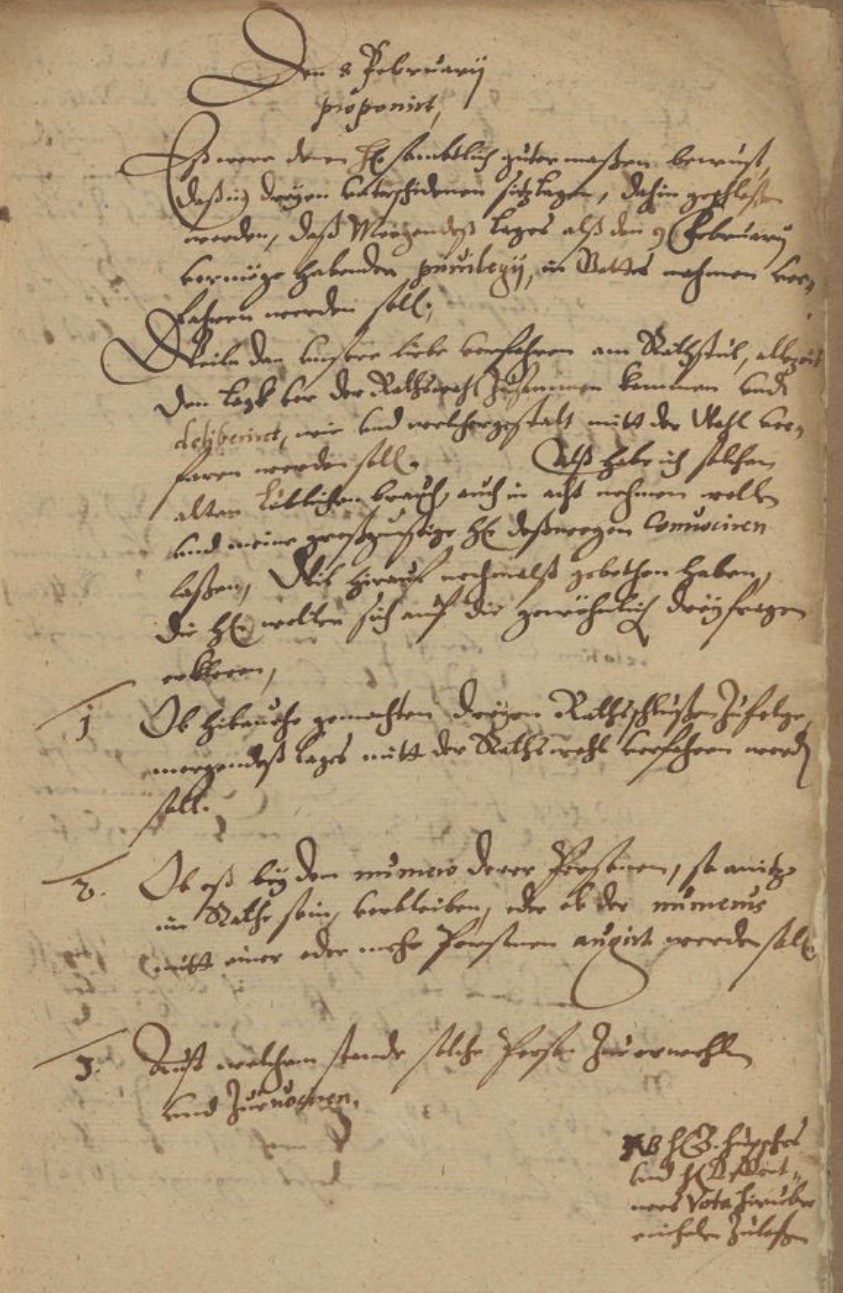
Why archives choose Transkribus for council minutes
Built for the holdings Stadt-, Gemeinde- und Staatsarchive actually have — not generic OCR.
Protect the originals
Scan once, handle never again. Fragile volumes stay in the depot while scholars and citizens work with the digital copy.
Full-text search
Find every mention of a person, place or decision across decades of minutes — including old spelling variants.
No IT infrastructure required
Everything runs in the browser on European servers. No local installation, no server room, no ops team.
Public access
Publish as a Transkribus Site with your own branding — or keep it internal. You decide who sees what.
Education & research
Teachers, students and historians can actually read your holdings. Open up material that has been effectively invisible.
Fundable
Digitisation projects qualify for regional, national and EU funding. We can help you scope a fundable proposal.
From scan to transcription
Why manual transcription of Ratsprotokolle is no longer realistic
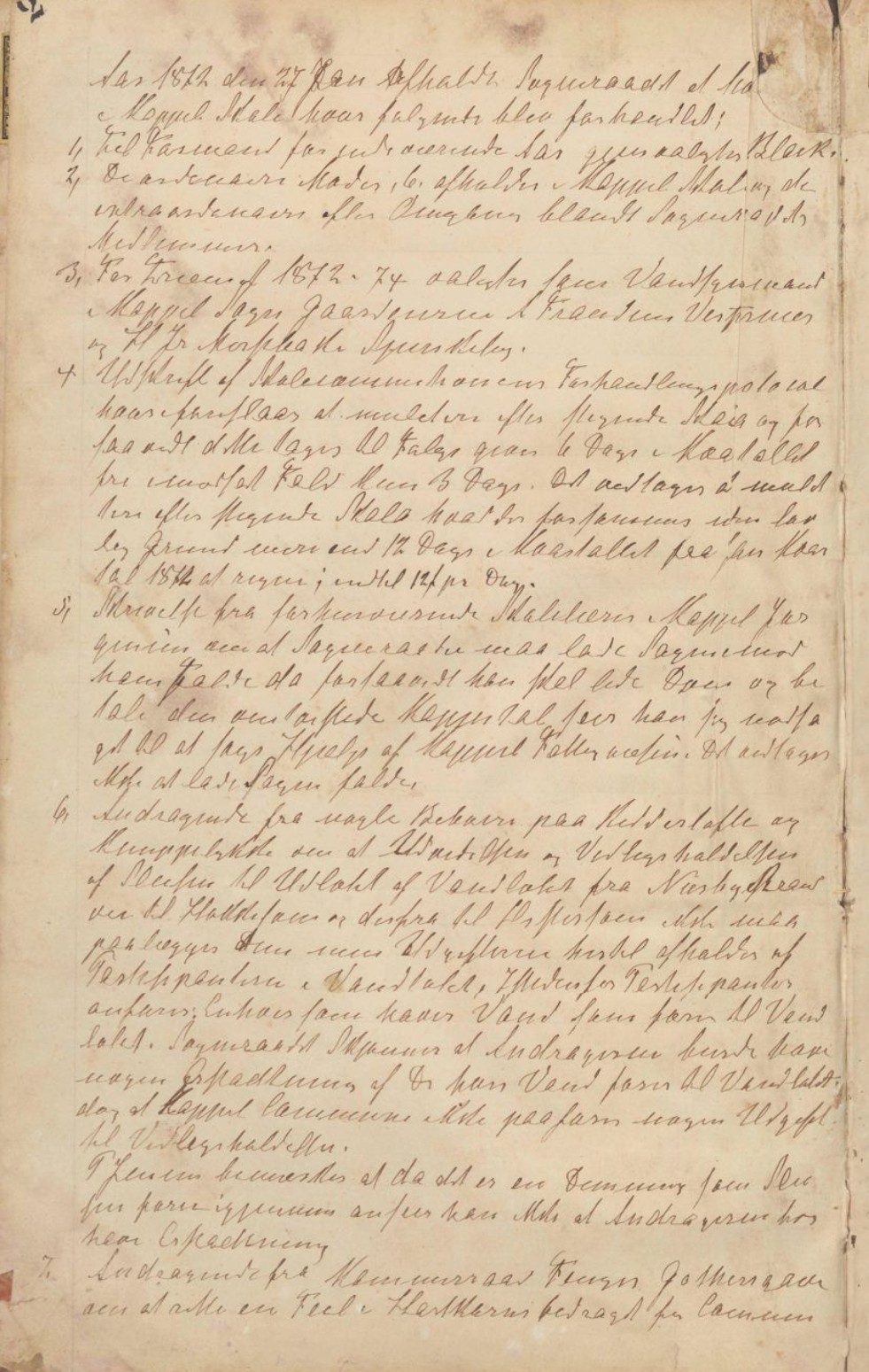
Holdings that were invisible for centuries — now in full text
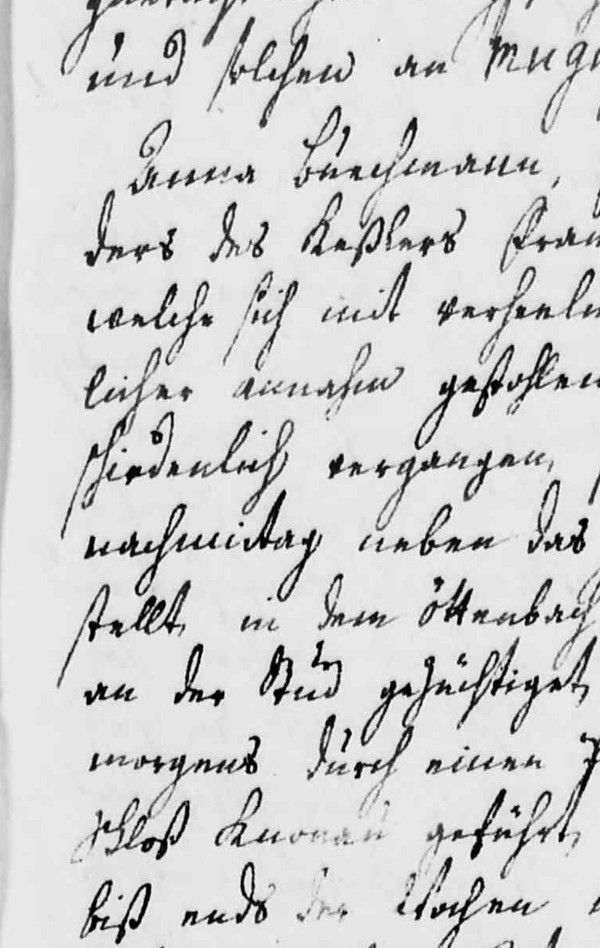
Your goals, our approach
Every archive has a different starting point and a different target state. Pick the variant that matches your needs — or combine several.
Public online edition
Publish your transcribed council minutes as a branded Transkribus Site with full-text search, navigation and metadata.
Internal searchability
Keep everything behind your firewall. Staff and researchers on-site get full-text search; the public sees nothing unless you decide otherwise.
Internal + selective public release
Transcribe everything, publish what the law and your release calendar allow. Granular per-volume access control.
AIS integration
Push the transcribed text back into your archive information system (scopeArchiv, AUGIAS, faust, atom…) as full-text indexes.
Yearly release cycles
Define a rolling window (e.g. always release the year that just crossed the 30-year protection period). We deliver annually.
Something else
We have worked with archives across the DACH region — bring us your constraints, deadlines and funding situation and we will scope it.
Archives already running on Transkribus
A small selection of public council-minutes and administrative-records sites. Each one started exactly where you are now.
Frequently asked questions
Answers to the things municipal and state archives usually ask us first.
Ready to make your records accessible?
Book a free 30-minute consultation. We will look at a sample of your material, estimate scope and cost, and discuss funding options.
Managed project or self-service — we are happy to discuss both.