

About
About this project
Rıza Nur’s Ermeni Tarihi (History of the Armenians) is an Ottoman-Turkish manuscript written between 1914 and 1923. Rıza Nur began the work in Egypt shortly before the Ottoman Empire entered the First World War, and later added sections on developments after 1919, including the Armistice period and the Treaty of Lausanne. The manuscript was still being revised during the Lausanne negotiations in 1922–23, when a clean copy was prepared by Hidâyet, one of the secretaries of the Turkish delegation. The surviving copy is preserved in the Staatsbibliothek zu Berlin under the shelfmark Ms. or. quart. 1934. It consists of 258 folios, totalling 508 pages.
The work was conceived as the first part of a projected series on non-Turkish peoples, with further volumes planned on Greeks and Arabs. Its purpose was explicitly political and polemical rather than scholarly in a detached sense. Rıza Nur sought to provide Turks with historical arguments against people whom he regarded as challenging Turkish rights to Anatolia. In this respect, Ermeni Tarihi was closely connected to his broader historical project, especially his multi-volume Türk Tarihi, which aimed to strengthen Turkish national consciousness and legitimise Turkish sovereignty through a longue durée narrative of Turkish presence.
The manuscript is divided into three main chapters. The first treats ancient Armenian history, including origins, Ararat, dynasties, religion, political organisation, civilisation, character, and homeland. The second follows Armenian history through Iranian, Byzantine, Arab, Cilician, and Turkish rule, before turning to religion, intellectual movements, political organisation, rebellions, massacres, relations with Russia and Britain, the Armistice period, and the Lausanne Conference. The third chapter offers an argumentative synthesis on the Armenian question, Armenian claims to statehood, Turkish rights in Armenia, Armenian propaganda, and the viability of an Armenian state.
Long unpublished, the manuscript appeared in Turkey in 2024 in two editions: first by Spesifik Yayınları under the title Antik Çağdan Günümüze Ermeni Tarihi: Mizaç, İnanç, İsyanlar, Katliamlar, and shortly thereafter by Yeditepe under the original title Ermeni Tarihi. Neither publication claims to be a critical edition, and both lack sustained commentary or engagement with recent scholarship.
The present edition aims to reproduce the manuscript in its original form, including revisions, deletions, and planned image captions. The text has been supplemented with numerous footnote comments and named-entity entries for persons and places, and is fully searchable.
The central arguments of Ermeni Tarihi are exclusionary, nationalist, and denialist. Rıza Nur invokes European and Armenian authorities to create an impression of impartiality, yet selectively and tendentiously uses evidence. Population figures are mobilised to minimise the Armenian presence in Anatolia, while historical claims are arranged to deny Armenians legitimate territorial or political rights. The Armenian Genocide is relativised, recast, and at times effectively justified as a consequence of Armenian rebellion and foreign manipulation. Ermeni Tarihi is therefore less a history of Armenians than a polemical attempt to delegitimise Armenian historical existence in Anatolia and incorporate their erasure into a radical Turkish nationalist narrative.
Explore Other Sites

Istituto Suor Orsola
The Suor Orsola Benincasa Institute preserves a valuable documentary and book heritage. Since the 16th century, religious and secular institutions have succe...
Published Jun 2026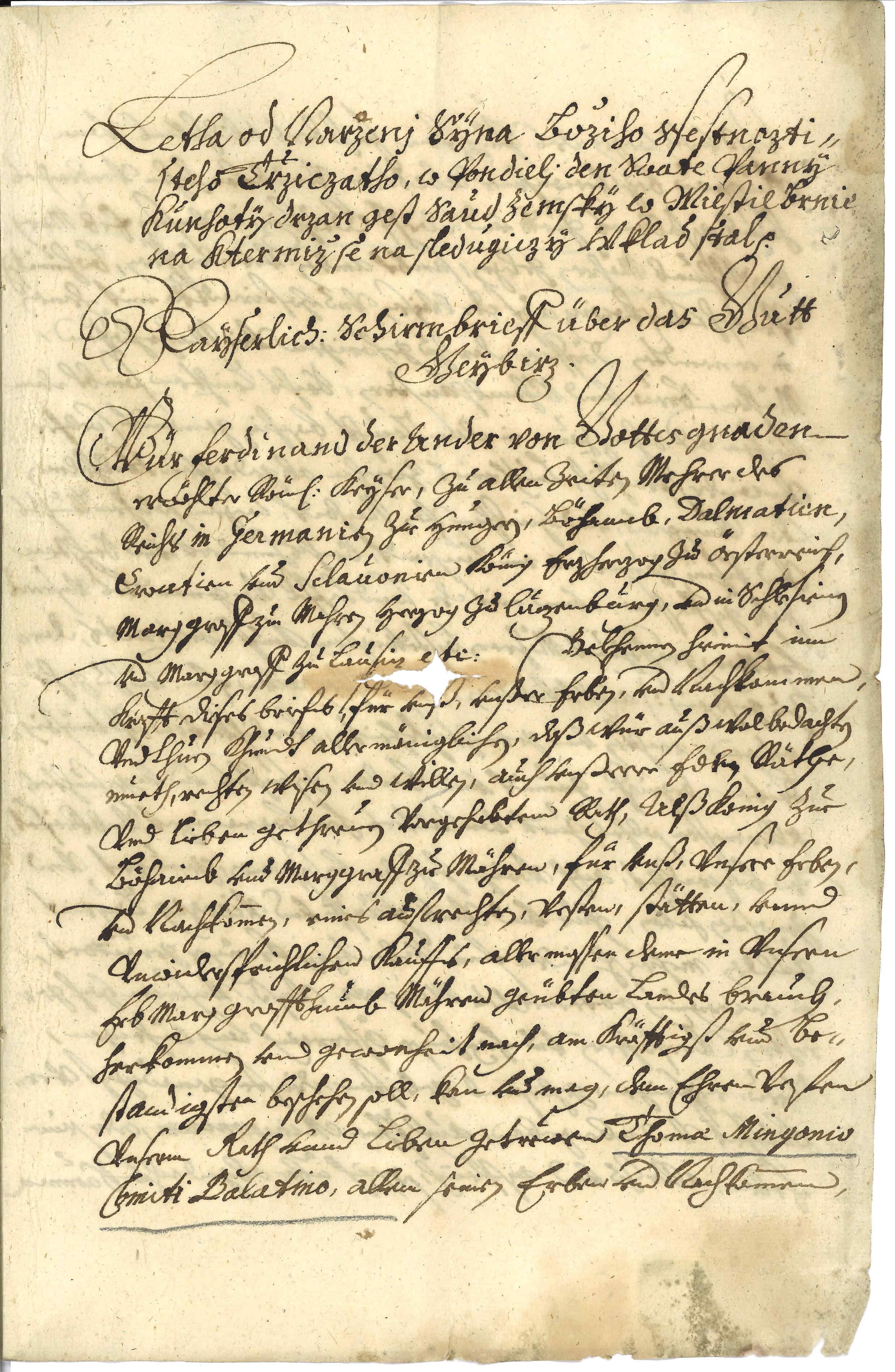
Privatarchiv Johannes Georg Schwarz
This private collection contains historical sources mainly concerning South Moravia.
Published Nov 2023
 Brazil
Muitas Mãos e Várias Penas
Projeto de Ciência Cidadã para a criação de um modelo em Português para reconhecimento de extratos dos Cadernos do Promotor e Processos da Inquisição Portugu...
Published Mar 2024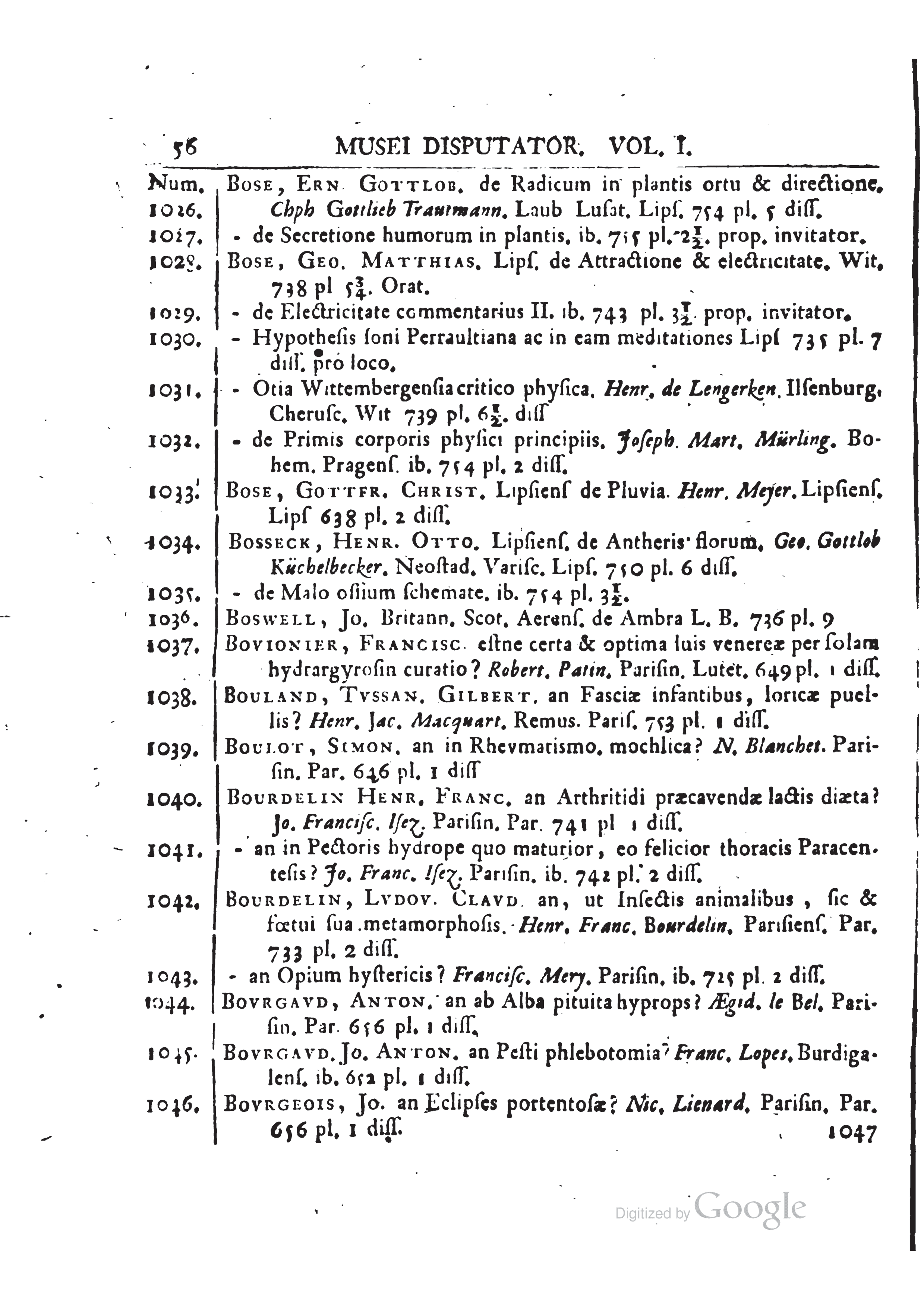
Noscemus
The ERC-funded project (no. 741374) NOSCEMUS aims at providing the first comprehensive overview of scientific texts written in Latin during the early modern ...
Published Nov 2024