Unlock the past with AI
The operating system for written heritage
built and owned by a community of 250+ stakeholders and 500,000 users.


The complete platform for written documents
From automated recognition to public access - all within one professional workspace.
Text Recognition
Upload a scan of any handwritten or printed document. The AI reads it in seconds - across 100+ languages and centuries of scripts.
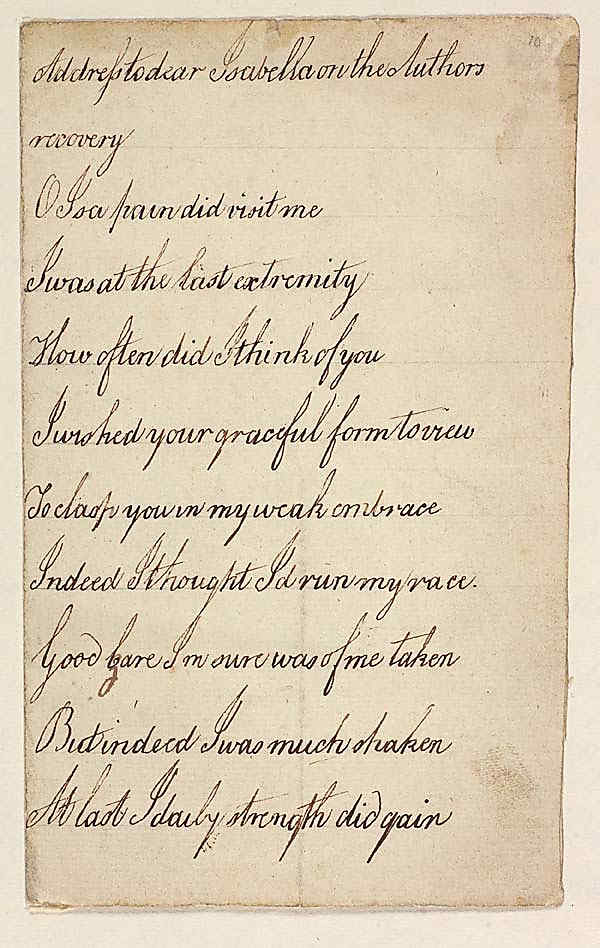
For Archives & Institutions
Make every record searchable

For Researchers & DH Projects
From raw scans to citable datasets

For Genealogists & Family Historians
Decipher old handwriting in seconds

Transkribus API
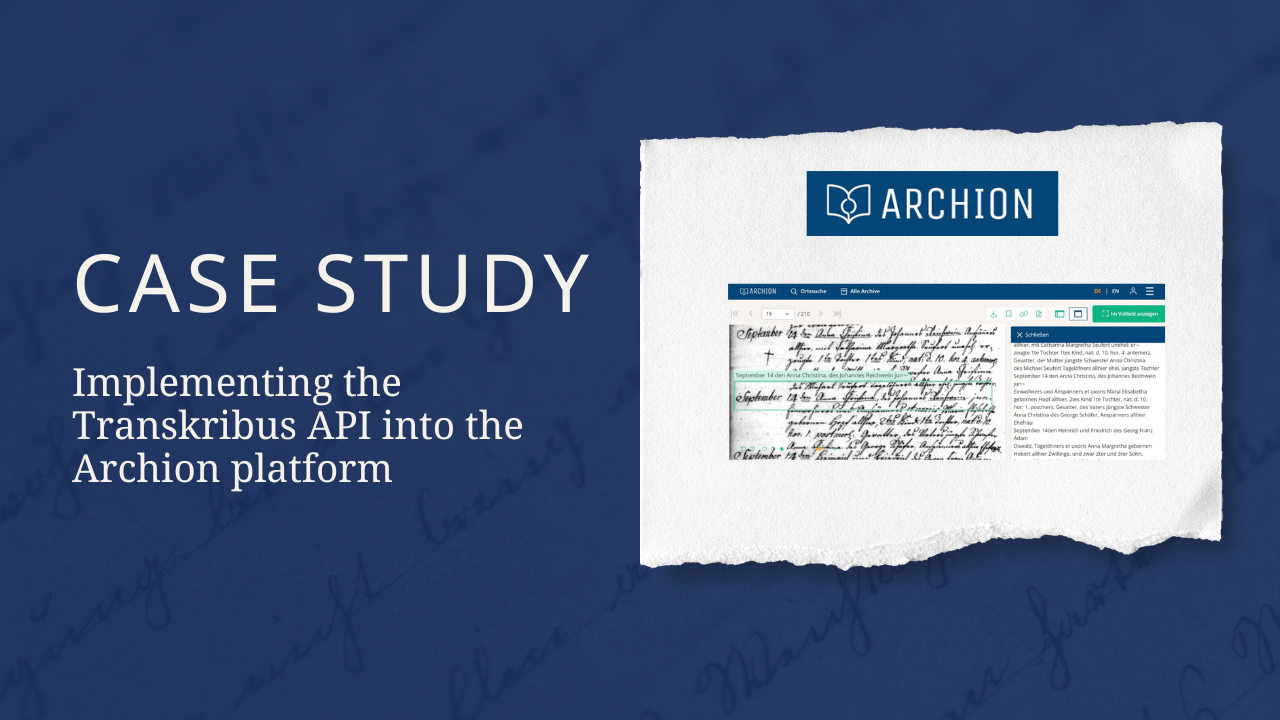
Add Transkribus to any workflow
{
  "processId": 3866314,
  "status": "FINISHED",
  "content": {
    "text": "Dear Sir, I hereby confirm\nthe delivery of 200 units.",
    "regions": [
      {
        "id": "region_1",
        "lines": [
          {
            "id": "line_1",
            "text": "Dear Sir, I hereby confirm"
          },
          {
            "id": "line_2",
            "text": "the delivery of 200 units."
          }
        ]
      }
    ]
  }
}Explore 300+ AI Models
Browse public models for handwriting, print, layout analysis, and table recognition — or train your own.
Discover Published Sites
See how institutions make their collections searchable and accessible to the world.
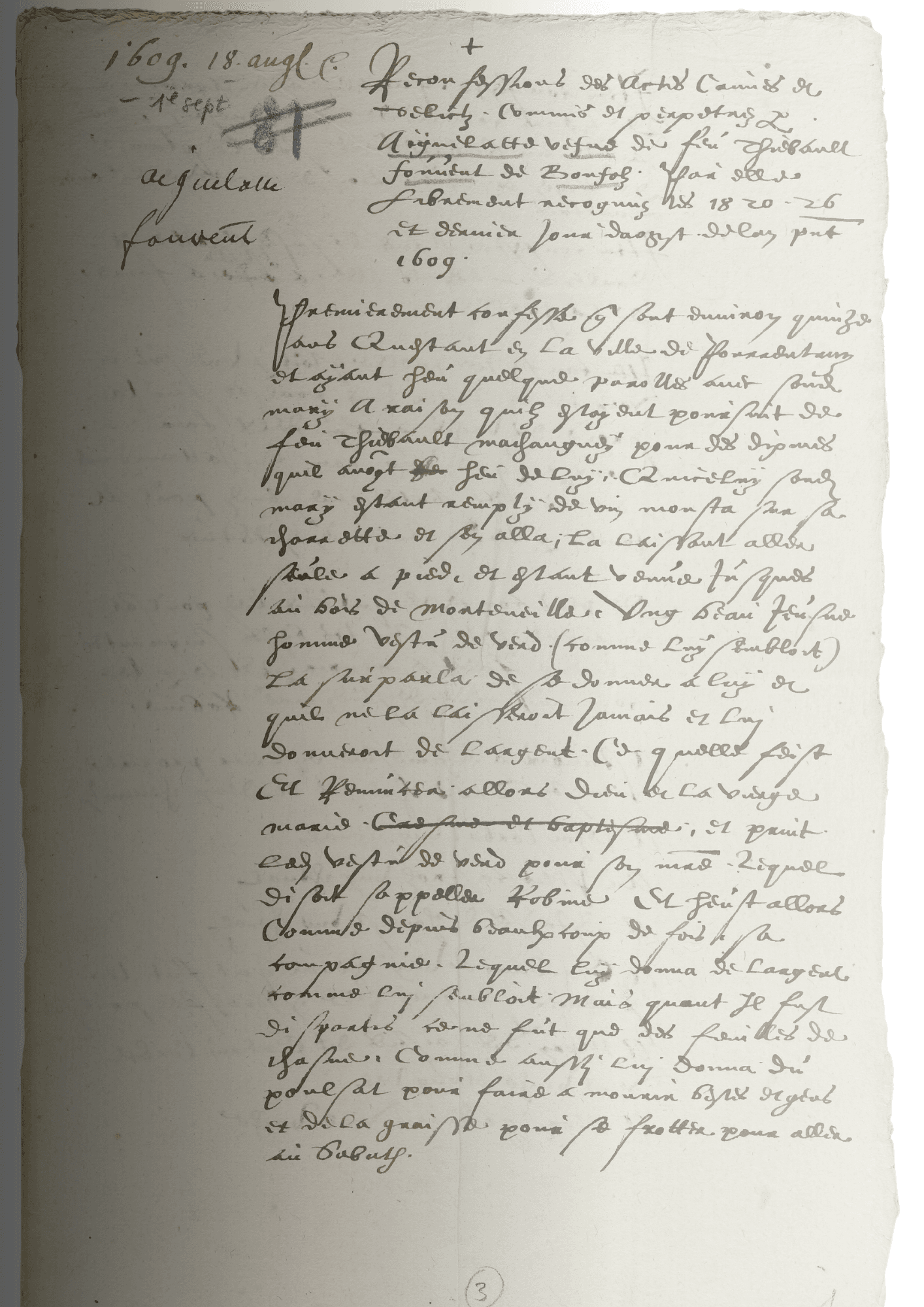
Archives de l'ancien Évêché de Bâle
Les Archives de l'ancien Évêché de Bâle (AAEB) sont une fondation conservant les fonds d’archives de l’ancienne principauté épiscopale de Bâle. Son siège est...
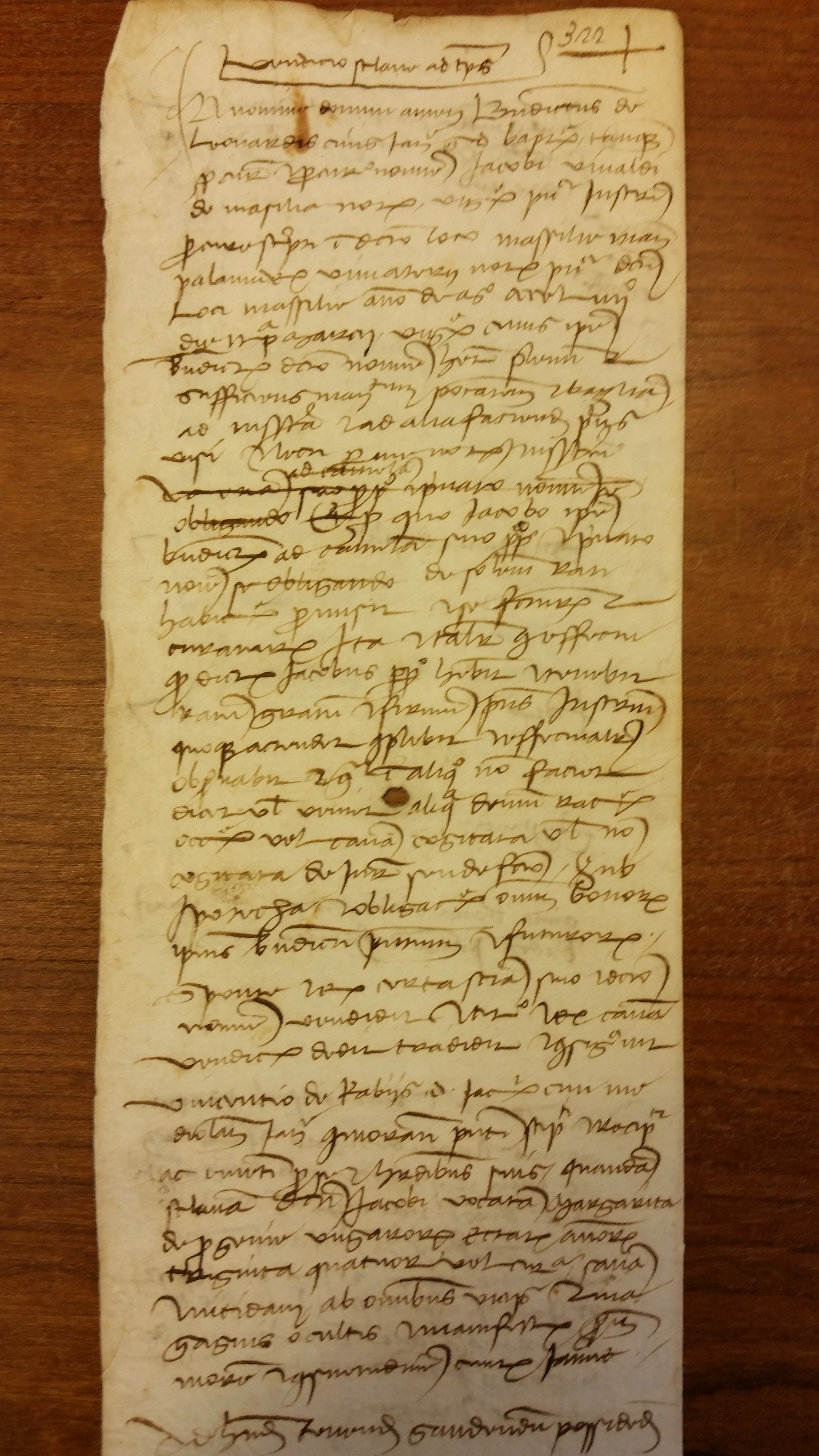
Genoese notarial contracts 1300–1550
This is a project to transcribe and train Transkribus to recognize Genoese notarial contracts enacted from 1300 to 1550.
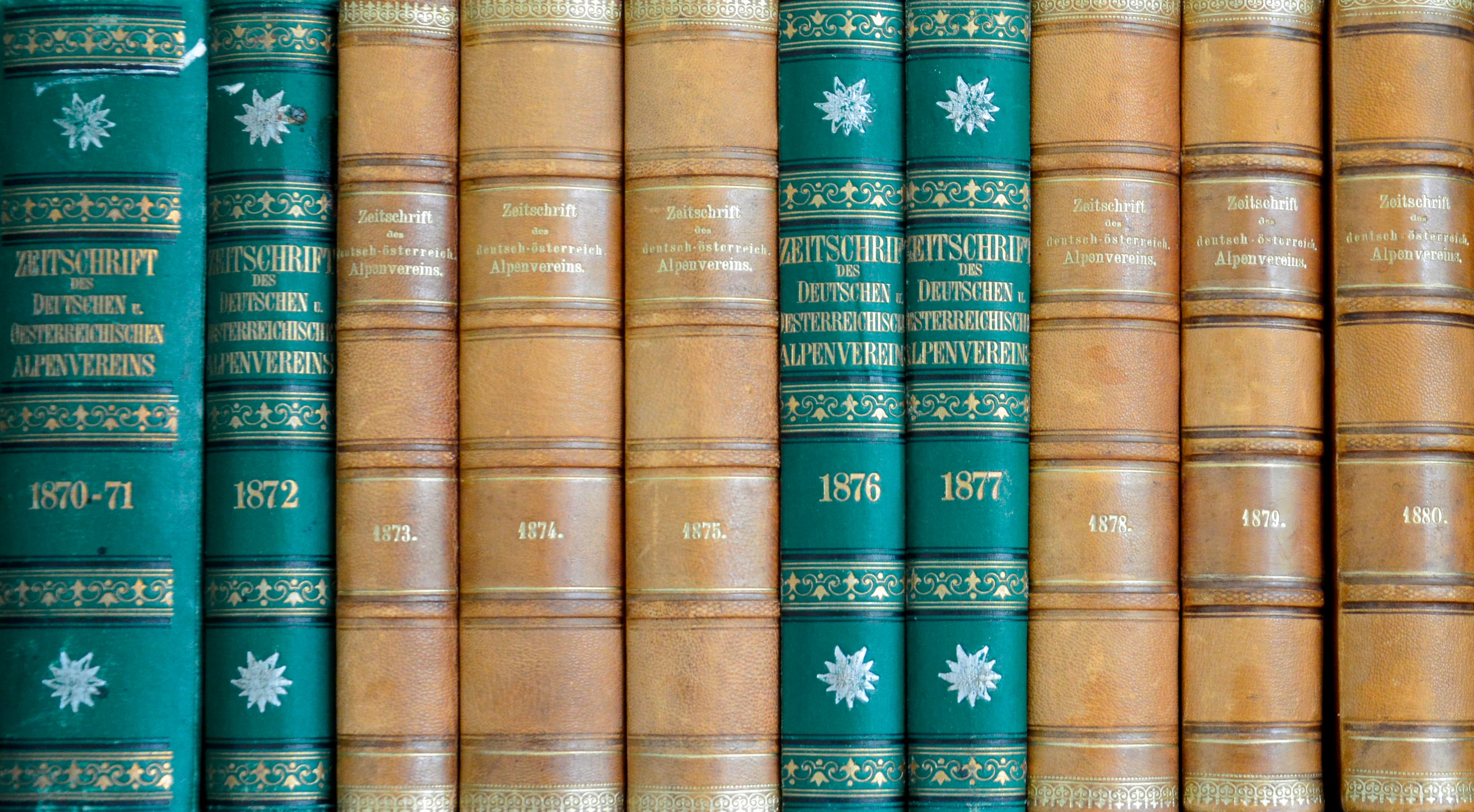
Zeitschrift des Alpenvereins
Das Historische Alpenarchiv wurde 2006 ins Leben gerufen. Der Deutsche, Oesterreichische und Südtiroler Alpenverein pflegen ihre Archivalien und Sammlungen i...
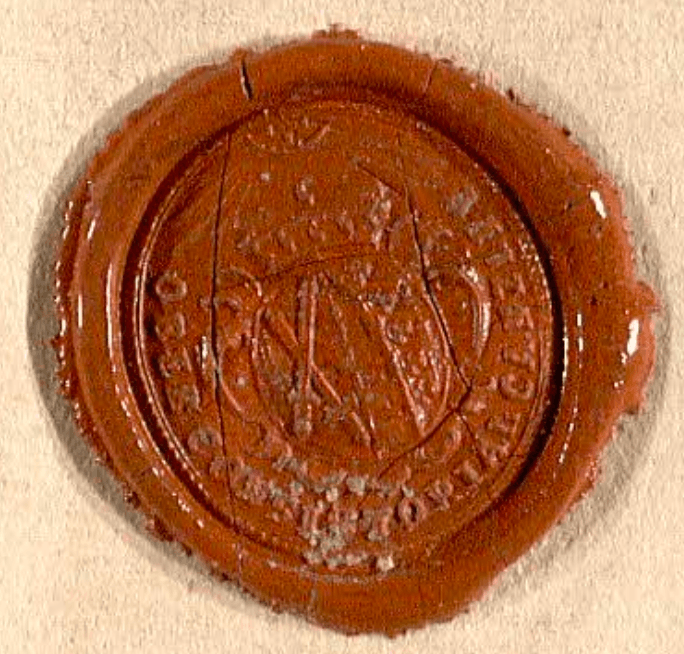
Enlightenment Suppressed
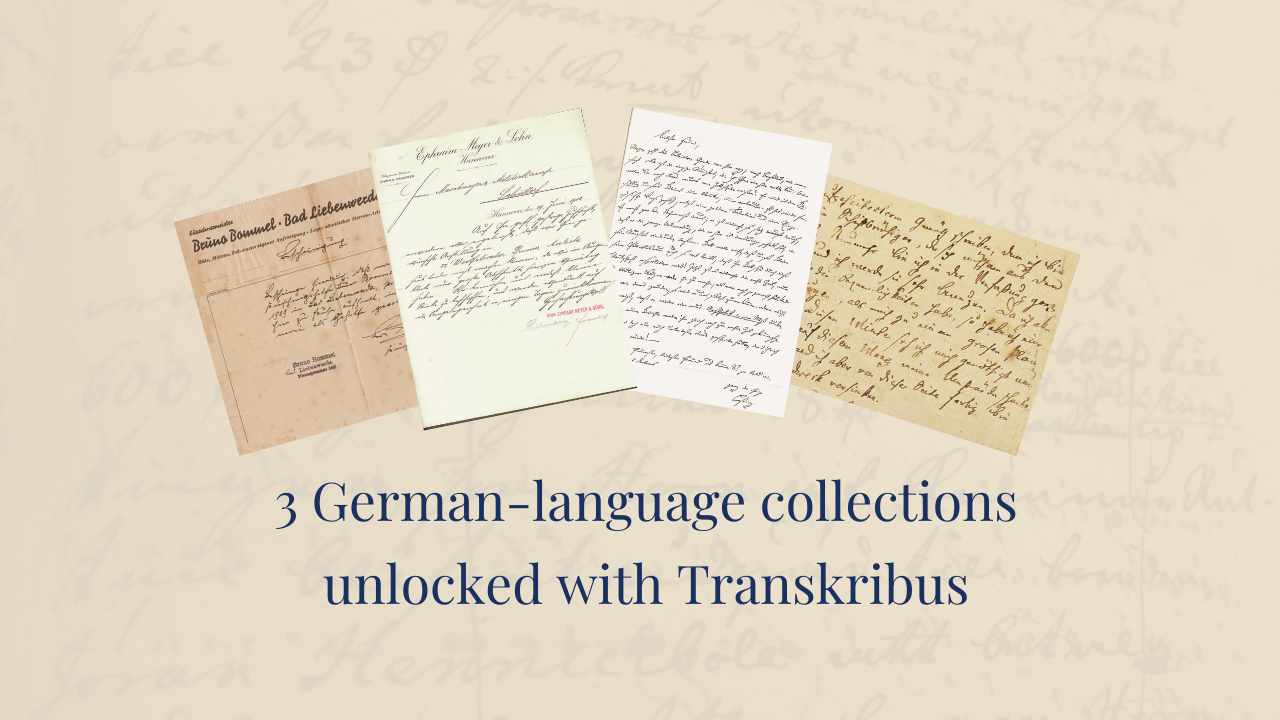
This site contains manuscripts that document the successful efforts to stifle the Enlightenment in late eighteenth-century Germany.
New in beta: Smart Extract turns page images into structured data
Trusted by leading institutions worldwide.
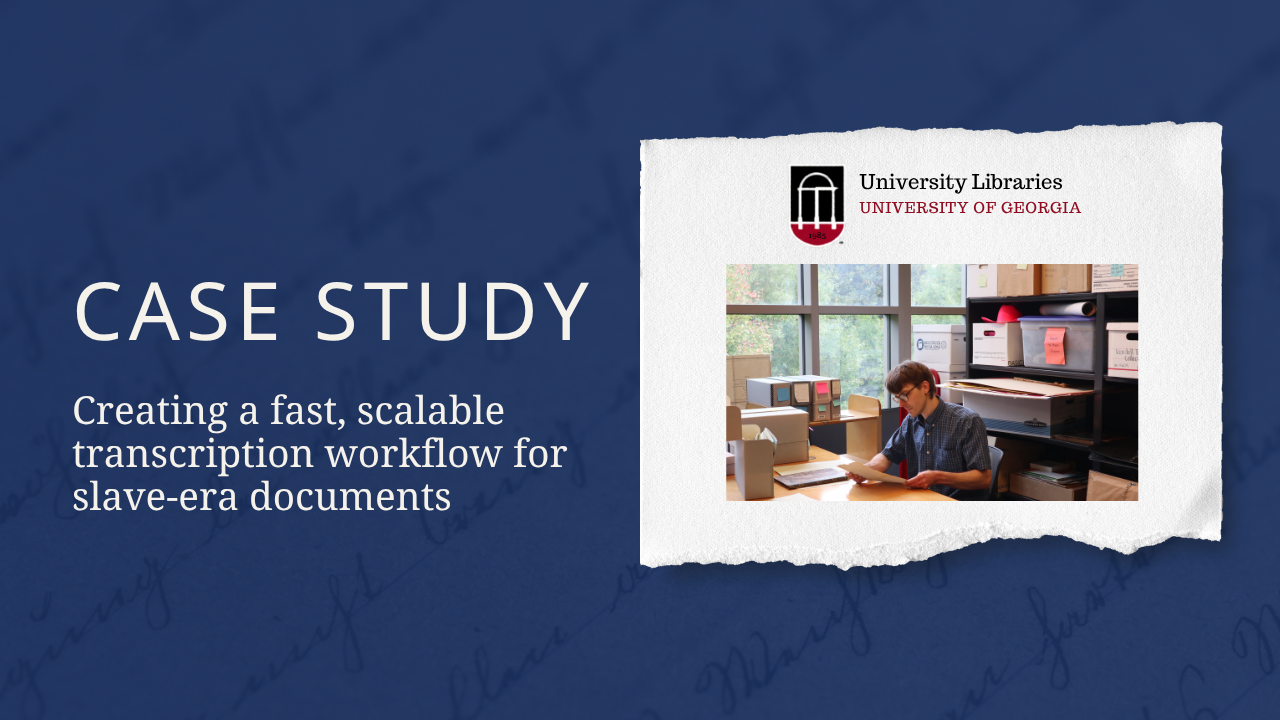
From national archives to universities, see how organisations use Transkribus to unlock their collections.
Owned by the community, and no one else.
Transkribus is developed by READ-COOP SCE - a European cooperative with over 250+ private and institutional members. Your data stays in Europe, on our own servers, and you retain full ownership.

The past is waiting.
Start analysing historical documents today. 50 free credits every month, no credit card required.