How to convert cursive to text
Three steps – no software to install, no account required for the demo.
Upload a photo or scan
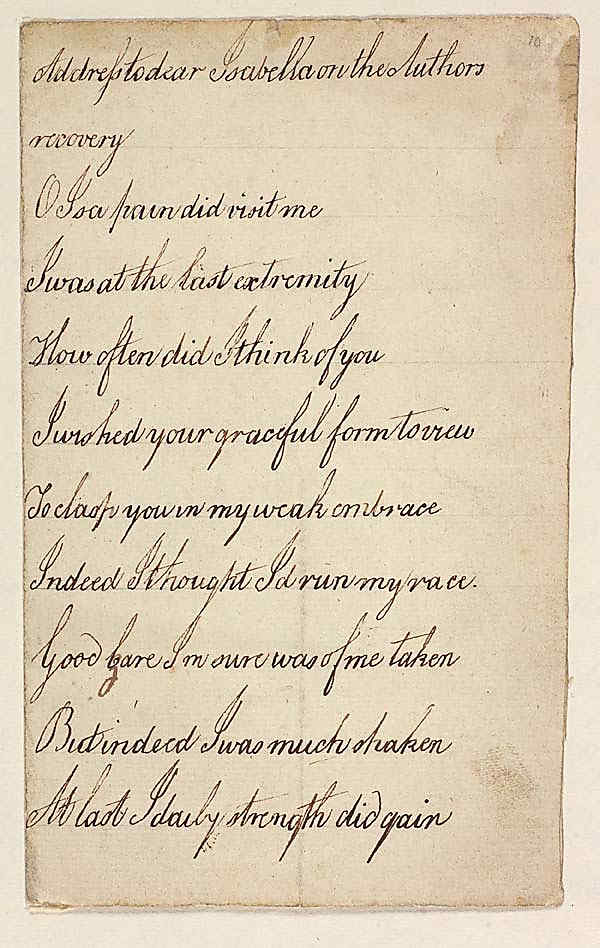
Drag a phone photo, scan, or screenshot of cursive handwriting into the box above. JPG, PNG, and PDF all work. No special equipment needed – a phone camera is enough.
AI reads the cursive
The AI analyzes your image, detects the text lines, and converts the cursive handwriting to digital text. It handles connected letters, faded ink, and messy handwriting that standard OCR cannot read.
Copy, edit, or export
Your text appears in seconds. Copy it to the clipboard, paste it into a document, or create a free account to export as TXT, DOCX, or PDF.
Yes, AI can read cursive
Trained on millions of handwritten words – not just printed text

Works from any photo
Phone camera, scan, or screenshot – it all works

Cursive scripts
Old cursive, Kurrent, Sütterlin, copperplate – all supported
Cursive translator comparison
Transkribus vs. standard OCR for cursive
Standard OCR is designed for printed text. It fails on cursive because it tries to isolate individual characters – but in cursive, letters connect and overlap. Transkribus was purpose-built for handwriting recognition.
| Feature | Transkribus | Standard OCR |
|---|---|---|
| Cursive handwriting | Yes | No |
| Connected letter forms | Yes | No |
| Historical scripts (Kurrent, Sütterlin, copperplate) | Yes | No |
| Printed text | Yes | Yes |
| Works from phone photos | Yes | Limited |
| Custom model training | Yes | No |
| Layout analysis (columns, marginalia) | Yes | Limited |
| 100+ languages | Yes | Limited |
| European hosting (GDPR) | Yes | Varies |
Comparison based on general-purpose OCR services. Capabilities may vary by provider.
300+ AI models
Specialized cursive models for every script and century

Batch processing
Need to convert hundreds of cursive pages?


Frequently asked questions about cursive conversion
Ready to convert your cursive documents?
Create a free account to process full collections, search across your text, train custom models, and export in any format. Want a quick translation first? Try the free old handwriting reader – no account needed.
50 free credits every month – No credit card required