Das Problem
Warum deutsche Kirchenbücher so schwer zu lesen sind
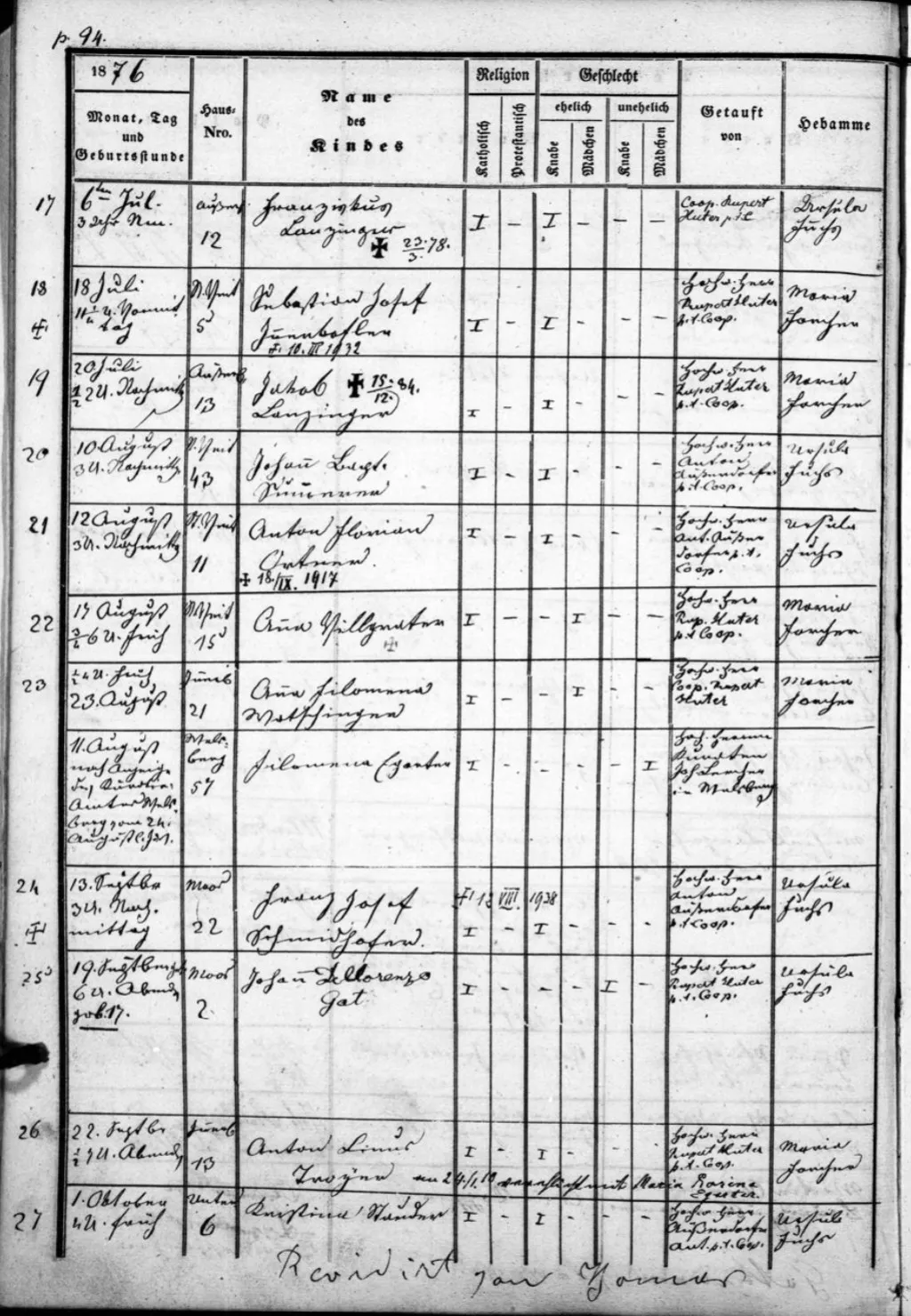
Die Lösung
KI, die Kirchenbuch-Handschriften über Jahrhunderte liest
Vergleich
Transkribus HTR vs. Standard-OCR bei Kirchenbüchern
Kirchen- und Pfarrbücher stellen einzigartige Herausforderungen dar, für die Standard-OCR nie konzipiert wurde. So schneidet Transkribus HTR bei der Verarbeitung historischer Kirchenbücher im Vergleich ab.
| Feature | Transkribus HTR | Standard-OCR |
|---|---|---|
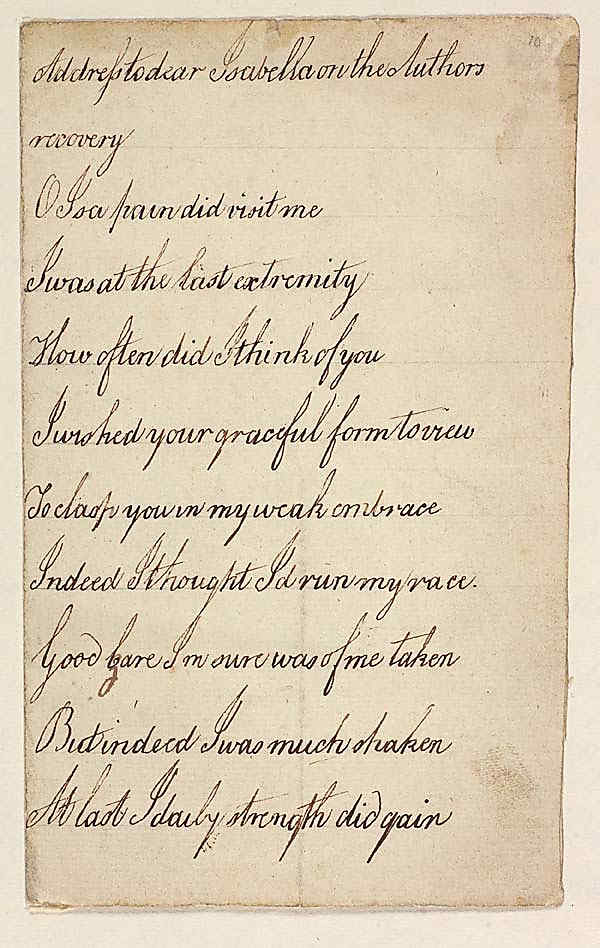
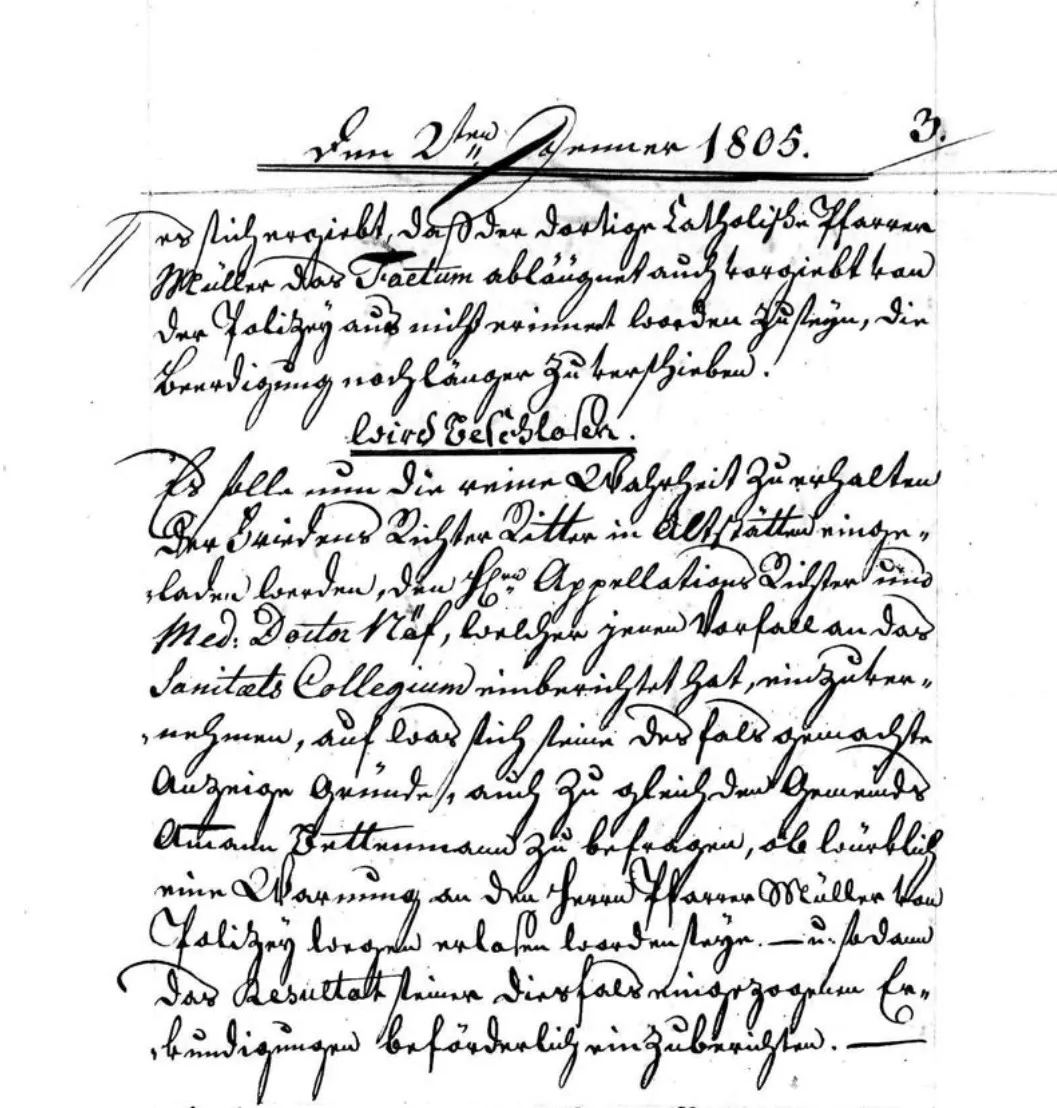
| Historische Kursivschriften | Liest Kurrent, Sütterlin, Secretary Hand, Copperplate und über 100 historische Schriften | Nur für gedruckten Text konzipiert – versagt bei Kursiv- und verbundener Handschrift |
| Lateinische Abkürzungen | Modelle, trainiert auf echten Kirchenbüchern, verstehen gängige lateinische Kurzformen (b. für baptised, d.d. für died) | Kann Handschriftenabkürzungen oder Ligaturen nicht interpretieren |
| Gemischte Schriften in einem Register | Verarbeitet Seiten mit lateinischen Überschriften, Kurrent-Fließtext und französischen Randnotizen | Erfordert eine einheitliche Schriftart – gemischte Schriften erzeugen unleserliche Ergebnisse |
| Beschädigte und verblasste Dokumente | Trainiert auf echten historischen Dokumenten mit Tintendurchschlag, Wasserschäden und Stockflecken | Die Leistung verschlechtert sich deutlich bei kontrastarmen oder beschädigten Seiten |
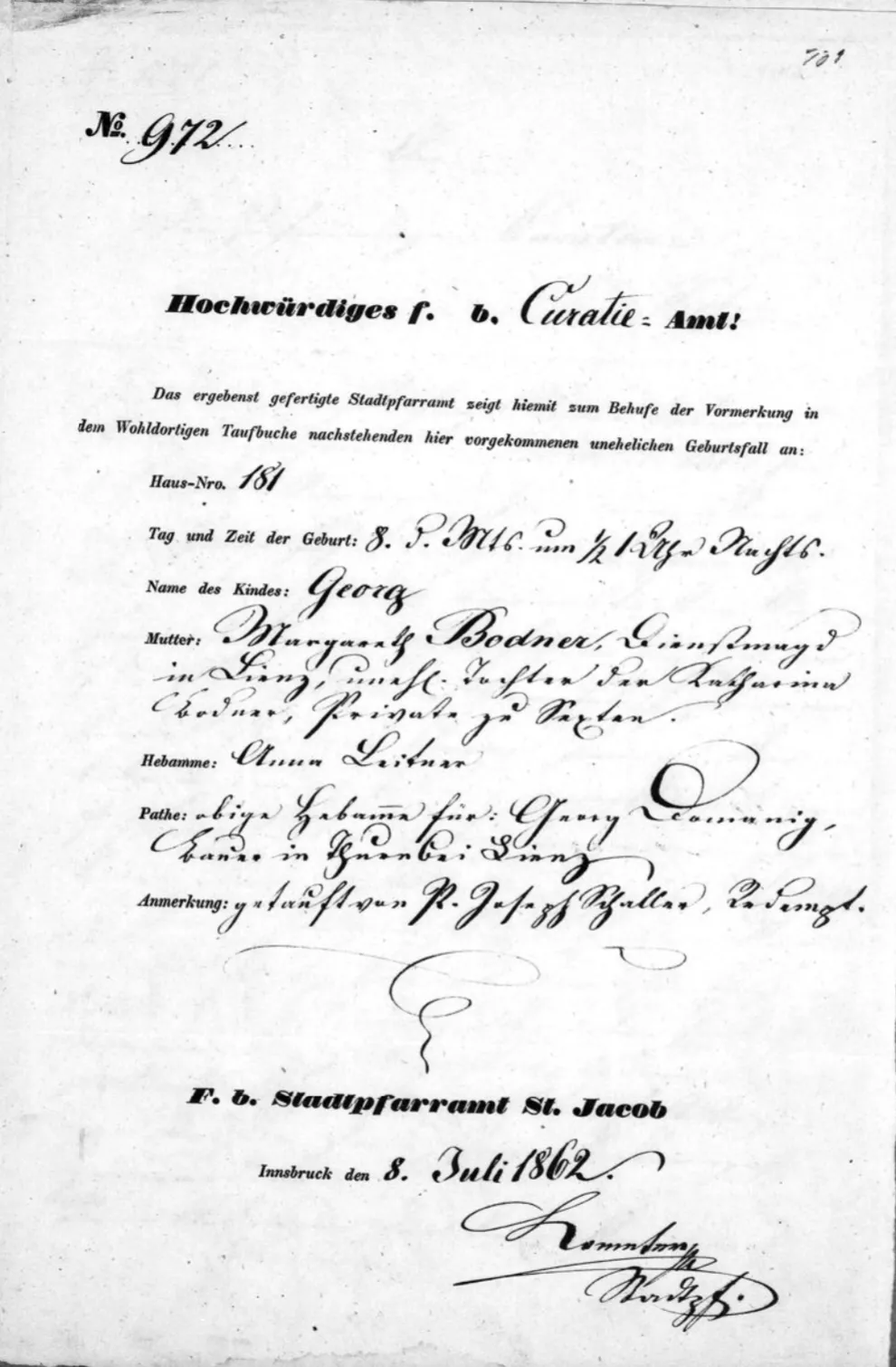
| Tabellarische Kirchenbuch-Layouts | Layoutanalyse erkennt Spalten, Zeilen und Randnotizen in strukturierten Registern | Geht von einfachem Links-nach-rechts-Textfluss aus – fehlinterpretiert Spaltenlayouts |
| Individuelles Modelltraining | Trainieren Sie ein Modell auf der spezifischen Handschrift Ihres Pfarrers mit 50–100 Seiten Ground Truth | Feste Modelle – können nicht an bestimmte Handschriftstile angepasst werden |
| Konfidenzwerte | Konfidenzwerte pro Zeile heben unsichere Lesungen für gezielte Überprüfung hervor | Unterschiedlich – oft fehlend oder bei handschriftlichem Text unzuverlässig |
Der Vergleich bezieht sich auf die allgemeinen Fähigkeiten von HTR (Transkribus) im Vergleich zu Standard-OCR-Engines bei handschriftlichen Kirchenbüchern. Die Ergebnisse hängen vom Zustand des Dokuments, dem Schrifttyp und der Modellauswahl ab.
Kirchenbücher in 4 Schritten transkribieren
Dokument hochladen
Fotografieren Sie das Kirchenbuch mit dem Smartphone oder laden Sie einen Scan hoch. Transkribus akzeptiert JPG, PNG, PDF und TIFF.
KI-Modell auswählen
Wählen Sie aus über 300 öffentlichen Modellen. Filtern Sie nach Sprache, Jahrhundert und Schriftart, um das beste Modell für Ihre Kirchenbücher zu finden.
Texterkennung starten
Klicken Sie auf 'Erkennen' und lassen Sie die KI arbeiten. Eine einzelne Seite dauert etwa 30 Sekunden. Ganze Kirchenbücher können im Stapel verarbeitet werden.
Prüfen und exportieren
Vergleichen Sie die Transkription mit dem Originalbild. Korrigieren Sie Fehler im integrierten Editor und exportieren Sie als Text, PDF oder XML.
Modelle für Kirchenbücher
KI-Modelle für deutsche und österreichische Kirchenbücher
Eigenes Modell trainieren
Eigenes Modell für Ihre Kirchenbücher trainieren
Häufig gestellte Fragen
Verwandte Ratgeber
Weitere genealogische Quellentypen entdecken

Bereit, Ihre Kirchenbücher zu erschließen?
Erstellen Sie ein kostenloses Konto und beginnen Sie noch heute, Ihre Kirchenbücher zu transkribieren – ob Taufbücher, Traubücher oder Sterbebücher. 50 kostenlose Credits pro Monat – keine Kreditkarte nötig. Noch kein Konto? Lesen Sie alte Handschriften kostenlos – keine Registrierung nötig.
50 kostenlose Credits pro Monat – Keine Kreditkarte nötig