Digitising historical books in-house: Mönchengladbach City Library
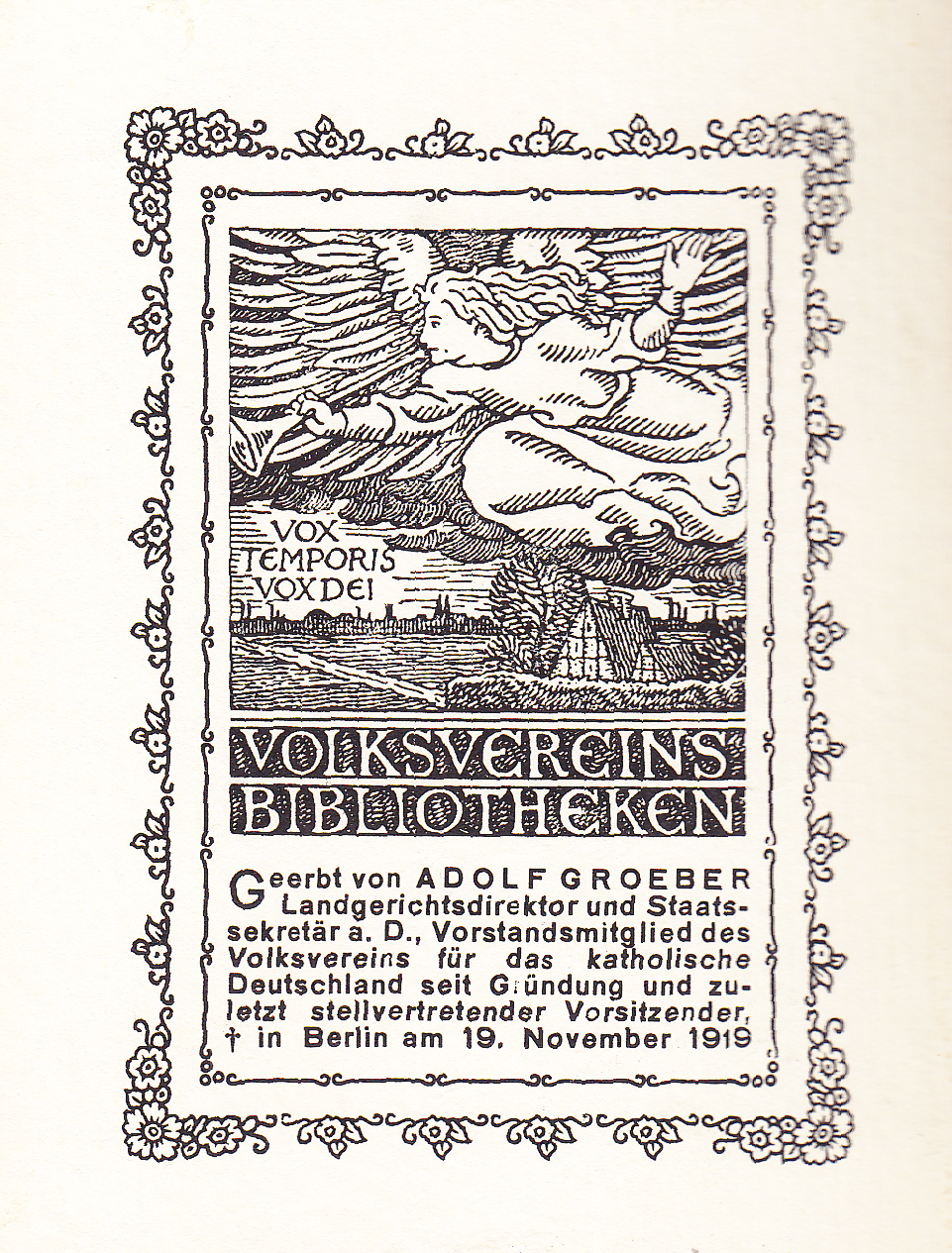
Mönchengladbach City Library holds the collection of the ‘Volksverein für das katholische Deutschland’ (People’s Association for Catholic Germany), one of the largest associations from the era of the German Empire and the Weimar Republic.
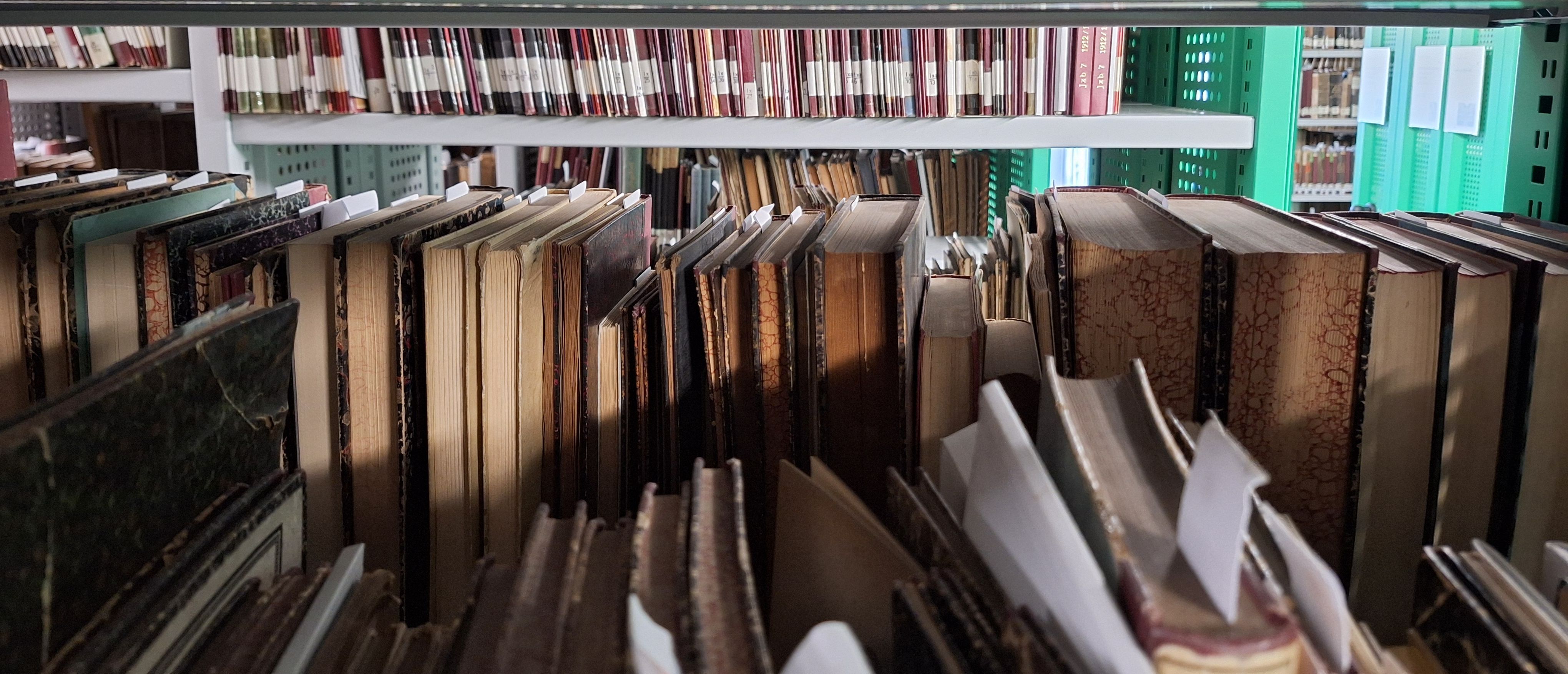
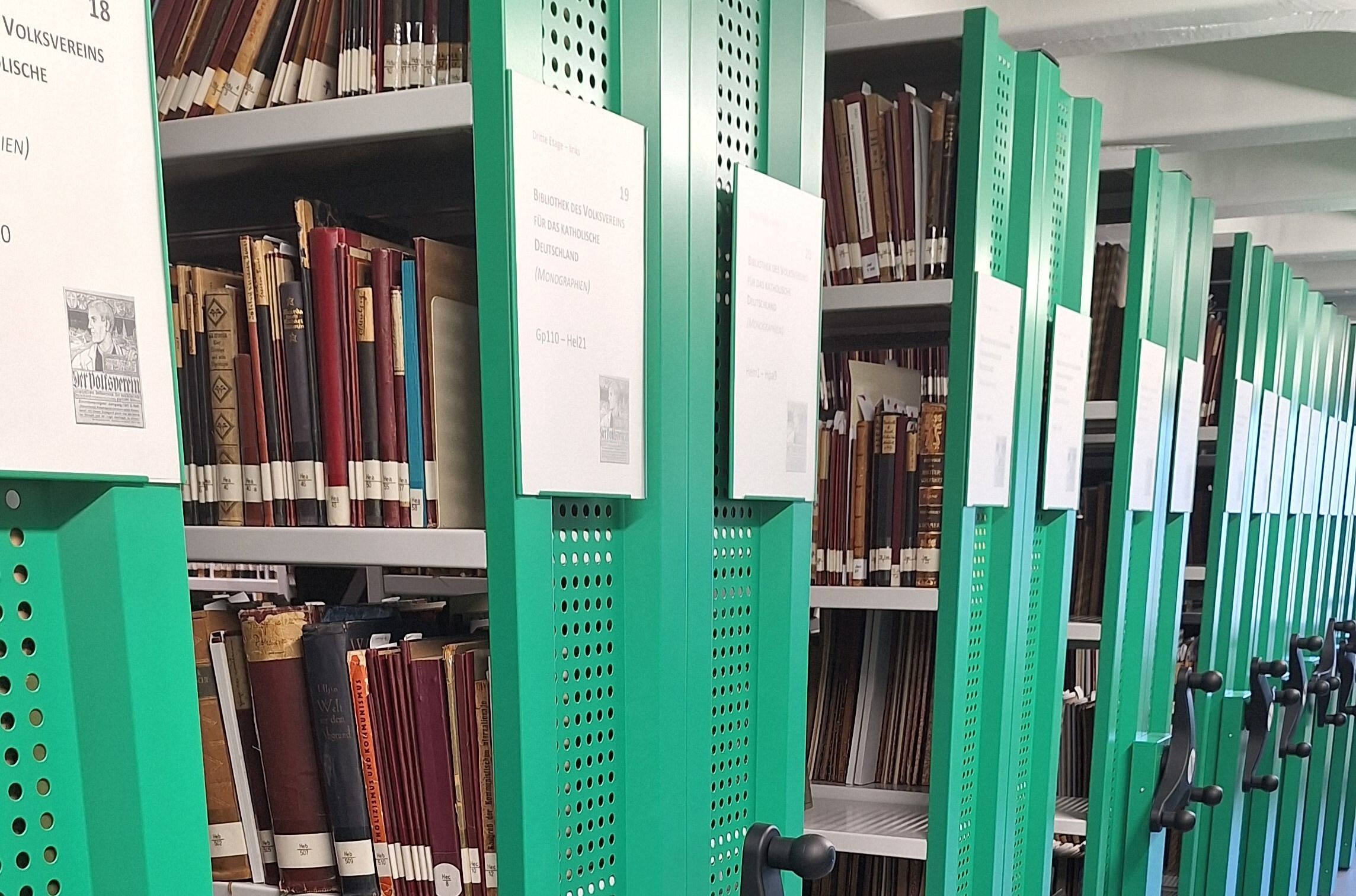
This comprises a collection of over 70,000 volumes of monographs on local social, political and economic history, which the library team has long wanted to make accessible beyond the reading room.
The idea behind this was, on the one hand, to enable a large global user base to carry out academic research using these documents. On the other hand, the digitisation initiative was aimed at preserving the collection, as once digitised, the books – some of which are fragile – would no longer need to be handled for research purposes.
A digitisation project of this scale is, of course, a challenge for a relatively small institution, as there were many constraints: a small team, a public library budget and no possibility of bringing in external developers or data scientists.
How could the library make such an extensive historical collection accessible in a way that allowed researchers and the public to actually search through and use it – without setting up a new IT infrastructure or bringing in a technical team to manage it?
© Stadtbibliothek Mönchengladbach
A collection worth more than its reading room hours
Paper-based collections come with hidden costs. They can only be consulted during opening hours, they wear out through handling, and remain virtually invisible to anyone who cannot be there in person.
Transforming a collection such as the Volksverein Library into an online, searchable resource is usually the point at which public institutions reach their limits, as such a project traditionally requires substantial external funding, specialised technical staff and bespoke software, simply to convert the documents from paper into searchable text.
Mönchengladbach, too, lacked these resources. There were neither specialist staff nor bespoke software. Yet the library found a way to bring the project to a successful conclusion using the resources already at its disposal.
“The ability to make the content of old works machine-readable and thereby render the content searchable is a milestone for working with historical documents,” notes Daniel Theveßen, Head of Historical Collections at Mönchengladbach City Library.
 © Stadtbibliothek Mönchengladbach
Keeping the whole job in-house
Instead of juggling separate tools and specialists, the library chose Transkribus as a single platform for the whole project. That meant its own staff could handle every step, from transcription to putting the books online.
First, automatic text recognition turns the scanned pages into text. Next, the team trains a custom AI model to improve the results for the collection’s typefaces. Finally, they publish the finished books online with Transkribus Sites, without any programming or code.
Onboarding and technical support are included in the subscription, so the team ran the whole thing themselves.
For the Mönchengladbach team, the biggest win has been speed. Transcription got much faster, so they can get through far more material and turn it into usable digital text. The features they found most useful:
- Automatic text recognition for a first draft of each transcription
- Quick correction tools for checking and fixing the recognised text
- Direct links to transcribed books from the library’s existing catalogue
That last point matters. Thanks to those catalogue links, anyone searching the library’s catalogue as usual will come across the digitised books. They don’t need to know a separate system exists.
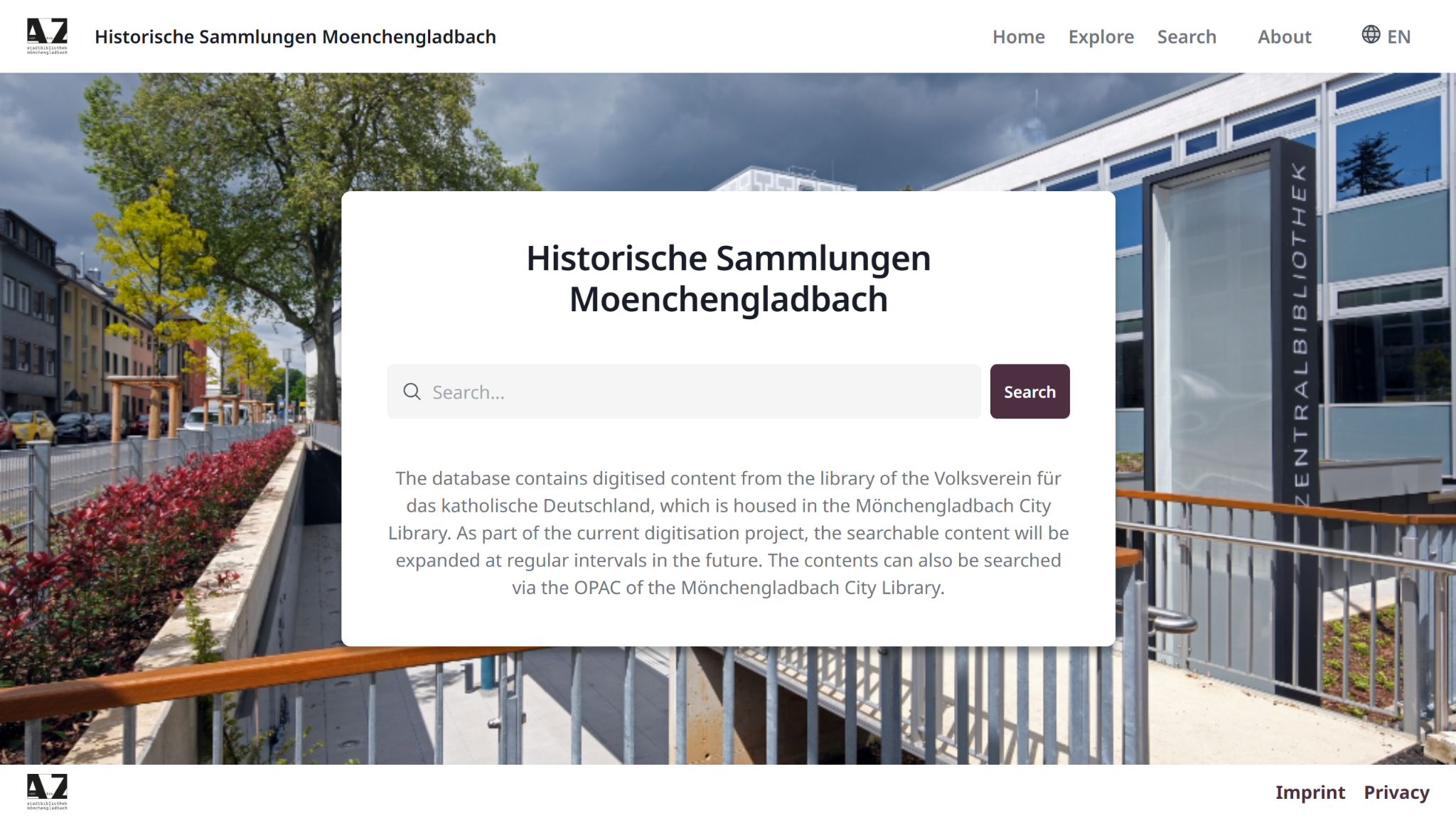
Explore the collection: every published volume is full-text searchable on Historische Sammlungen Mönchengladbach.
© Stadtbibliothek Mönchengladbach
What changed for the library
The biggest change is that a collection once limited to the reading room can now be searched online. As of October 2026, the library has uploaded 2,504 books to Transkribus. 679 of them have been recognised, checked and published, with more added all the time. Researchers and the public can explore them from anywhere, without having to visit during opening hours.
How the work gets done matters just as much. The library does it in-house, without outside IT help or data scientists, and decides its own priorities. There’s no vendor deadline or fixed schedule, so the team can fit the work around everything else and go at its own pace.
© Transkribus Sites of Stadtbibliothek Mönchengladbach
What this means for public institutions
A lack of technical resources is often seen as a barrier to digitising historical collections. Mönchengladbach shows it doesn’t have to be. By working with what it already had, the library has turned the Volksverein collection from paper into searchable online content and kept the work in-house.
For other libraries, archives and museums in the same position, the lesson is simple: start with what you have and build from there.
Małgorzata Szczepocka from the library’s Historical Collections department has three recommendations for institutions planning a similar project:
- Prepare materials carefully before the project begins.
- Agree on consistent working rules from the outset.
- Define a clear workflow, especially when working as a team.
Working with a similar collection? Book a call with our team to talk through what an in-house workflow could look like for your institution. You can also learn more about Transkribus Sites or browse the Mönchengladbach Volksverein collection.
This case study is based on a written interview with Daniel Theveßen, Head of Historical Collections at Mönchengladbach City Library.
Related Articles
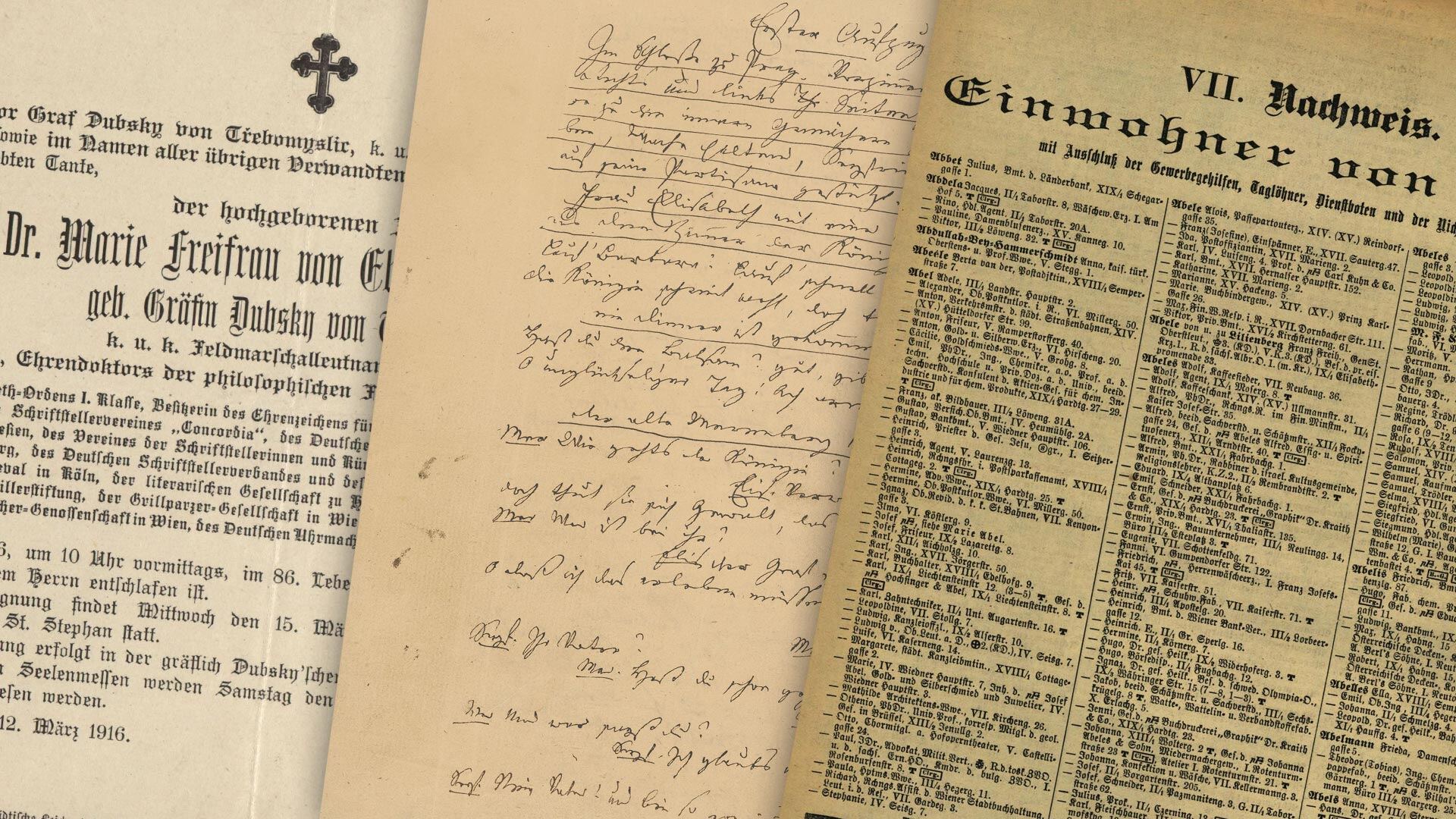
Transkribus Projects at the Vienna City Library
The Vienna City Library has already implemented three projects with Transkribus. Their first project was the Lehmann address books. All of Vienna’s main tenants from 1859 to 1942 are listed in these...
Sustainable efficiency: How the University of Georgia transcribed 20,000 pages in two months
The Finding Their Names: Discovery and Description of Enslavement Events project is a major initiative by the Hargrett Rare Book and Manuscript Library at the University of Georgia. Funded by a...
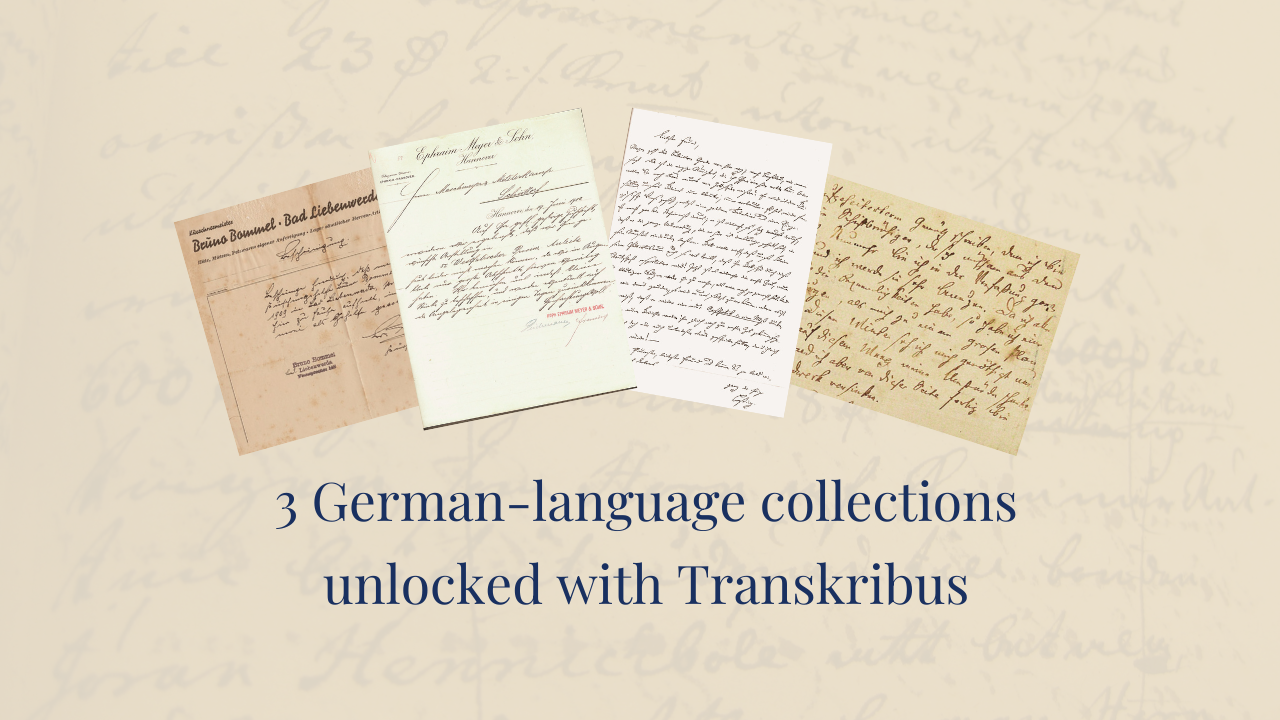
AI Made for German: Unlocking German-language archives with Transkribus
Most AI transcription tools are designed with English-language material as their default setting. They excel at modern printed text and increasingly handle contemporary handwriting, but historical...