Transkribus at the Bibliotheca Hertziana – Max Planck Institute for Art History

Digital Publications are the latest addition to the DH Lab of the Bibliotheca Hertziana – Max Planck Institute for Art History in Rome (https://www.biblhertz.it), and the goal is to to publish the Institute’s Open Access content online.
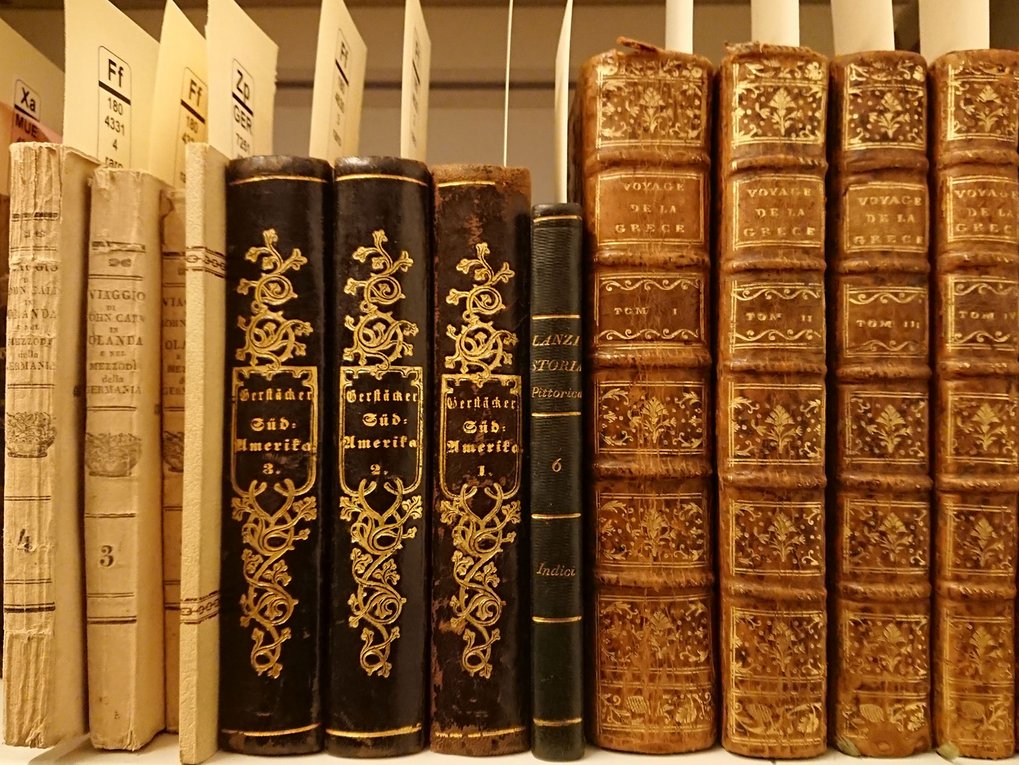
Since lot of Art History sources are antique books, and the library of our institute has been devoting a lot of resources scanning our “Rara” books collection (http://dlib.biblhertz.it), it became natural to imagine a way to access them not only as digitized images but also as transcribed content. This will allow authors to quote them directly, but also to enhance cross referencing, content checking and accessibility for people relying on TTS tools.
Older books present several challenges to standard OCR, the technology normally used to recognize text in books. Not only are some characters and ligatures difficult to train (just think about the slight difference between the letter “f” and the elongated s “ſ”, or the use of “u” as “v” in lower letters, and “V” as “U” in capital letters), but there are also abbreviations and symbols with a special meaning. In fact, especially in the fifteen and sixteen centuries, most books contained the exact scribal abbreviations that were common in manuscripts.
This means that approaching the transcription one character at time, as OCR does, would simply create a huge error rate and no way to search for abbreviated words. On the contrary, even if HTR is intended for handwriting, it can be trained perfectly to adapt to the context, and expand abbreviations or distinguish between letters that seem or are identical.
For this reason, we teamed up with the READ-COOP and planned a complete neural text recognition of our existing digitisations. The goal is to create new models that will be able not only to transcribe all the content, but also to recognize a book’s main structure: extract the list of images, distinguish between main text and commentaries, and a lot more. The transcriptions will be available in the IIIF viewer, but also in an online Read&Search platform, together with the digitized books from the Kunsthistorisches Institut in Florence and the Max-Planck-Institut für Wissenschaftsgeschichte in Berlin, they can be searched and analysed through machine learning for data mining.
Another project relying on Transkribus is a digital edition of manuscripts, where alongside the manual transcription of the content, the tagging of information is needed. Thanks to the easy tag management available in the Expert client, the team can work together and edit the text, insert semantic information and identify relevant named entities like people, places, dates or artworks that are mentioned in the text. Thanks to direct TEI export or XSLT conversion, the digital edition can be created almost without any further post processing.
Before starting this project, I was already using Transkribus for my own research, and now I encourage Hertziana researchers to use it as much as possible when accessing content is important, or when working on a digital edition.

Related Articles
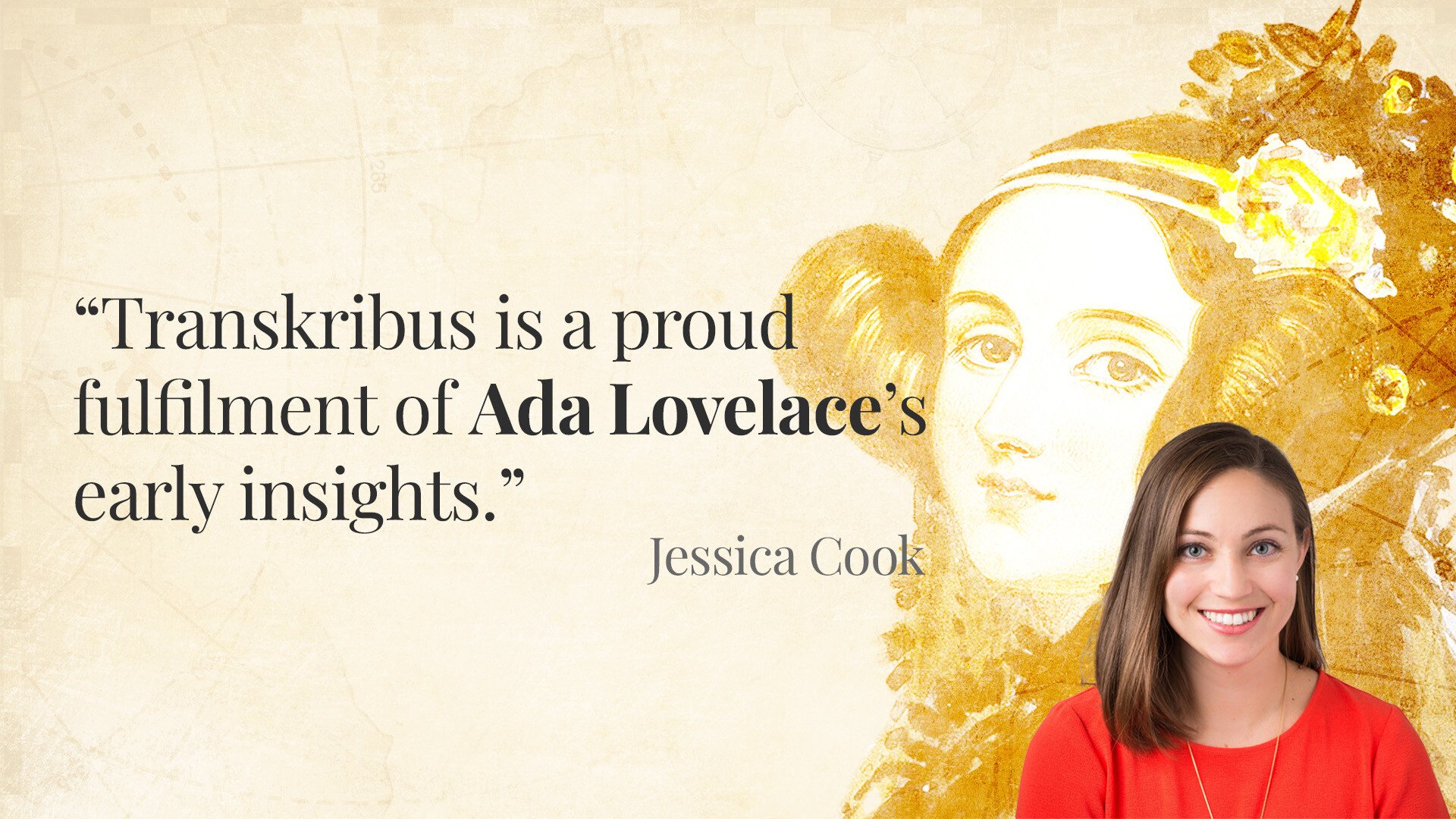
Creating a digital scholarly edition of the Lovelace papers with Jessica Cook
Mathematics, computing, music, poetry: Ada Lovelace was a person of many talents. The 19th-century mathematician — and daughter of infamous Romantic poet, Lord Byron — is widely regarded as one of...
How FromThePage enhanced their transcription platform with the Transkribus API
FromThePage has long championed the idea that public participation can profoundly enrich historical research. As one of the leading platforms for crowdsourced transcription, it is used by heritage...
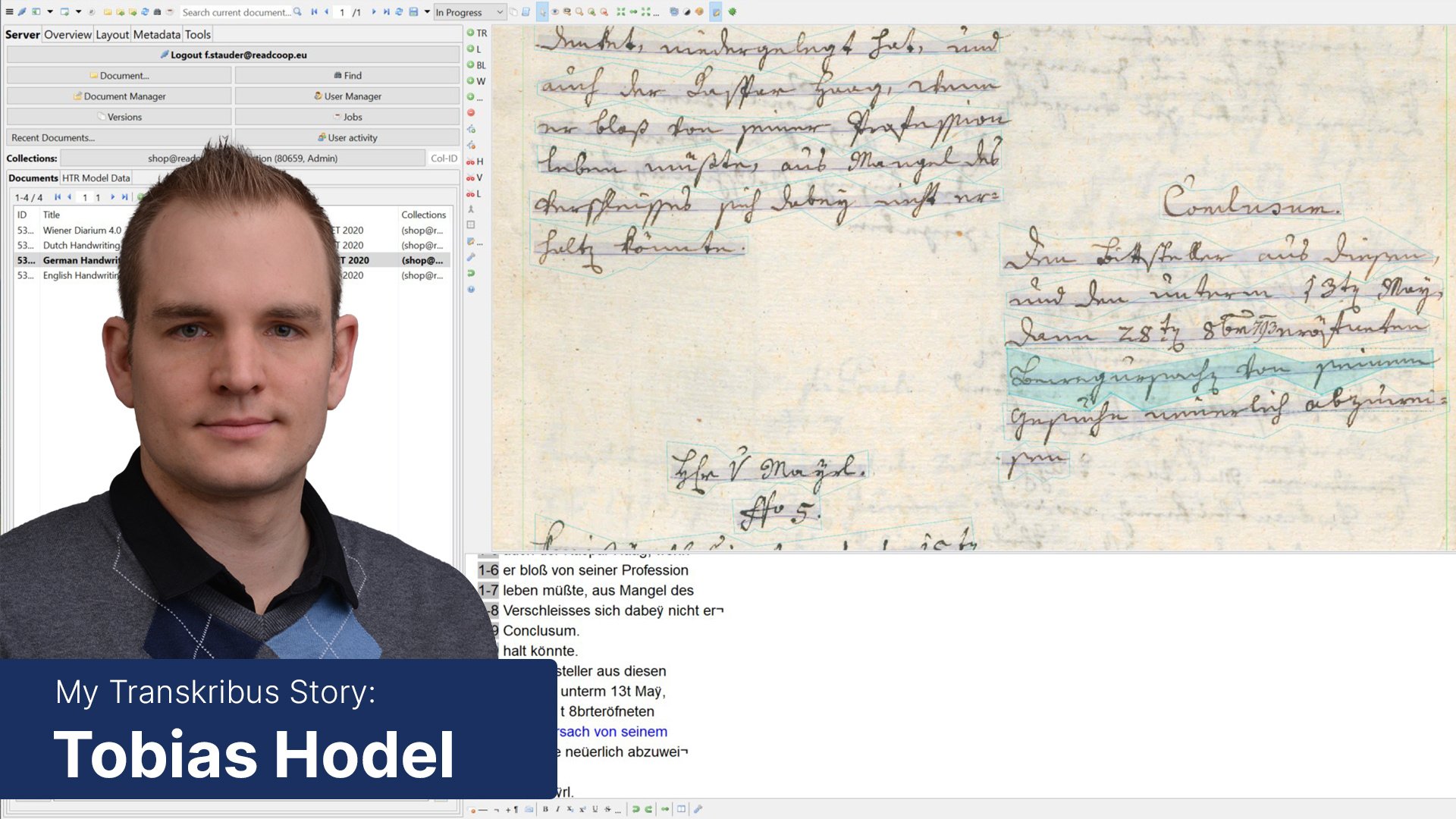
My READ/Transkribus Story: Tobias Hodel
In 2016 I joined the READ project for the state archives of Zurich. Within the large project, I became part of the dissemination working group and responsible for the alignment of more than 100’000...