What early modern sources can Transkribus read?
From parish registers to diplomatic correspondence – AI models trained on the document types that fill early modern archives.
Legal records
Court proceedings, contracts, depositions, and notarial acts written in formal chancery hands across European jurisdictions.
Church records
Baptismal, marriage, and burial registers – the backbone of genealogical and demographic research.
Protocols & minutes
Council minutes, administrative proceedings, and institutional records documenting governance across cities, guilds, and courts.
Cadastral records
Property transfers, land surveys, and tax assessments documenting ownership across centuries.
Tax registers
Tax rolls, census records, accounting ledgers, and fiscal documents tracking people, property, and commerce.
Wills & probate
Testaments, probate inventories, and estate records revealing personal and material histories of early modern communities.
Handwriting traditions of the early modern world
Transkribus handles the major script families researchers encounter in 15th–18th century archives. Browse specific models in the model catalog.
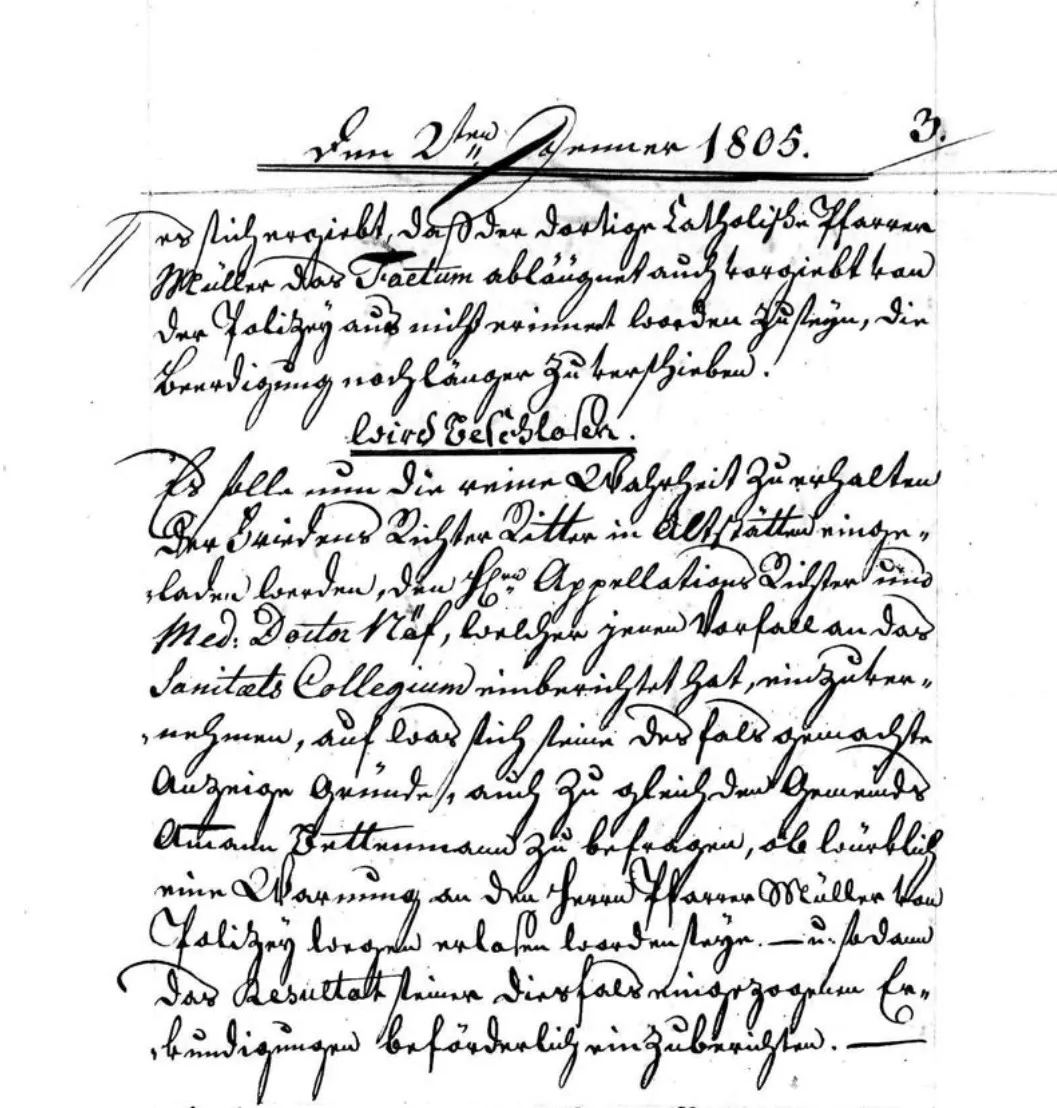
Kurrent & Sütterlin
The dominant German-language scripts from the 16th to mid-20th century. Characterized by angular, connected strokes with looped ascenders.
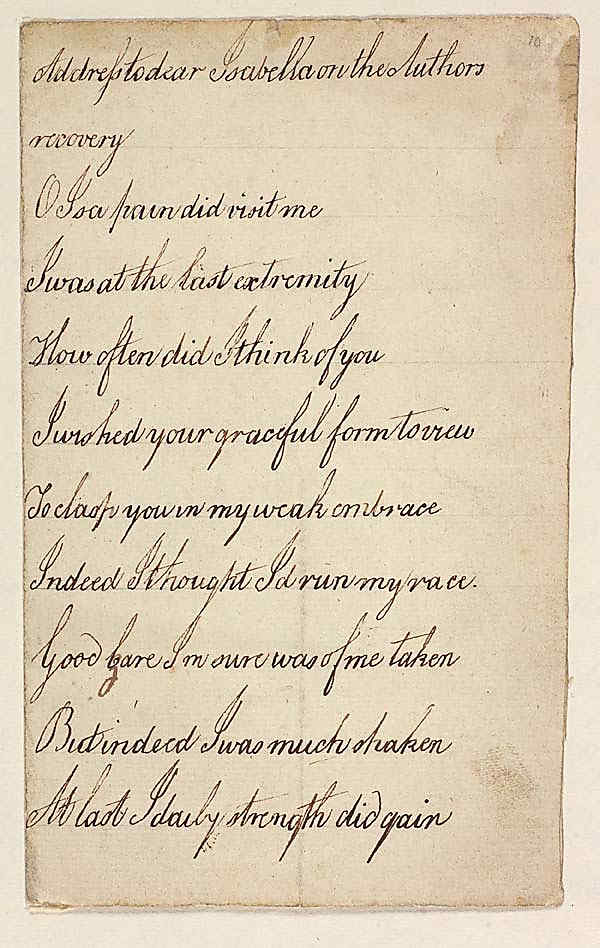
Secretary hand
Standard English administrative script from the 15th–17th century. Features distinctive letterforms for e, h, and long s.
Humanist minuscule
The clear, round Italian hand that influenced modern Western handwriting. Common in Renaissance legal and literary documents.
Bastarda
A transitional script bridging medieval and early modern traditions, widely used in French, German, and Dutch administrative writing.
Colonial scripts
Procesal and cortesana hands used in Spanish colonial administration across the Americas.
Early printed text
Fraktur, Antiqua, and mixed-type documents where print and handwritten annotations coexist on the same page.
Tools for every step of your transcription project
From layout analysis to model training – combine the tools you need for early modern manuscripts, court records, and correspondence.
Why AI?
AI vs. manual transcription for early modern documents
How Transkribus compares to traditional manual transcription for processing early modern manuscript collections.
| Feature | Transkribus AI | Manual transcription |
|---|---|---|
| Speed | 100–500 pages/hour | 1–3 pages/hour |
| Accuracy | 95–99% with matched model | 97–99% (expert paleographer) |
| Consistency | Identical output on repeated runs | Varies with fatigue and attention |
| Searchability | Immediate full-text search | Requires separate digitization step |
| Scalability | Process entire archives in days | Years of dedicated work for large collections |
Accuracy figures based on well-preserved documents with a matched HTR model. Damaged or unusual materials may require custom model training to reach optimal accuracy.
AI Models
Find models for your manuscripts
Start transcribing your early modern sources today
Join 500+ universities already using Transkribus for handwritten text recognition. Start with free credits and explore 300+ public models for early modern scripts. Or try the free handwriting translator to test it on a single page first.
50 free credits every month · No credit card required