Digital Humanities Centre, National Széchényi Library · PyLaia · Published May 28, 2025

Hungarian handwriting 19th–20th Century 2.0

Text Recognition

Description

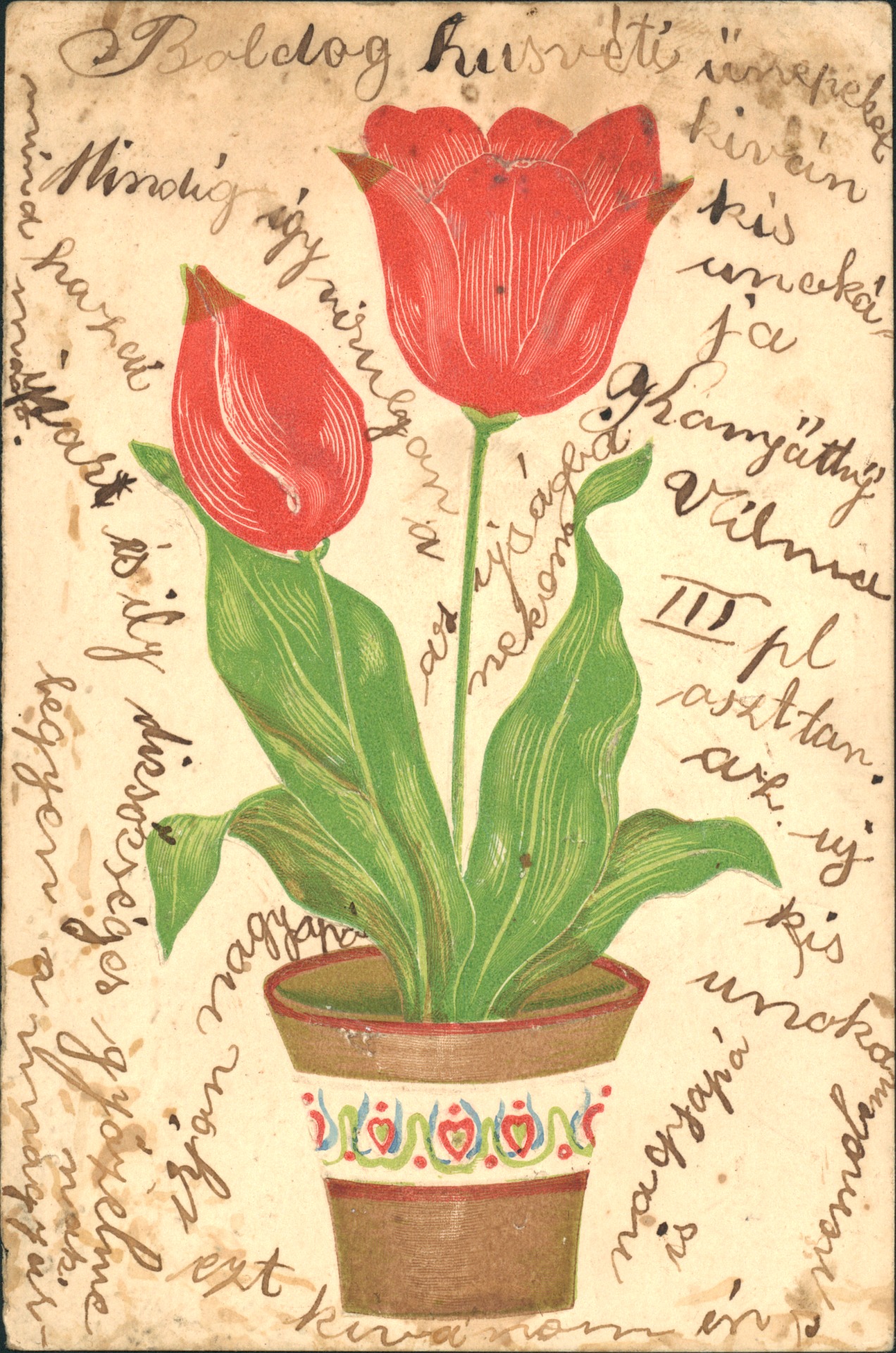
The most recent model developed by the Digital Humanities Centre of the National Széchényi Library has been trained on correspondences of Hungarian intellectuals from the late 19th century to the first half of the 20th century. The collection comprises letters from more then one hundred authors, centered around four persons: the poet and journalist József Kiss (1843–1921), the novelist Zsigmond Móricz (1879–1942), the painter József Egry (1883–1951) and Jolán Simon (1885–1938), actress and wife of the avant-garde writer Lajos Kassák (1887–1967). The corpus of this mixed-handwriting model is drawn from the collections of the National Széchényi Library, the Petőfi Literary Museum and the Kassák Museum. Notably, the Móricz correspondence – and, to some extent, the Kiss correspondence – was prepared and processed by the Petőfi Literary Museum.

Try this model

Hungarian handwriting 19th–20th Century 2.0
Use this modelOpen in Transkribus
Low error rate6.05% CER

Character Error Rate (CER) measures the percentage of characters incorrectly recognised. Lower is better. This model scored 6.05% on its validation set. As a rule of thumb, a CER below 10% is considered good for most handwritten material. This is a larger model trained on diverse material, which generally makes it more robust across different handwriting styles. That said, larger training sets also make it harder to push the CER down further.

Measured on the model's own validation data. Results on your documents may differ depending on handwriting style, document condition, language, and how closely your material resembles the training data.

Words284,450
Lines54,931
Training Pages3,391
Model ID347385
Languages
Hungarian
Centuries
19th c.20th c.