Greifswald: Making legal sources from 1580 to 1880 accessible
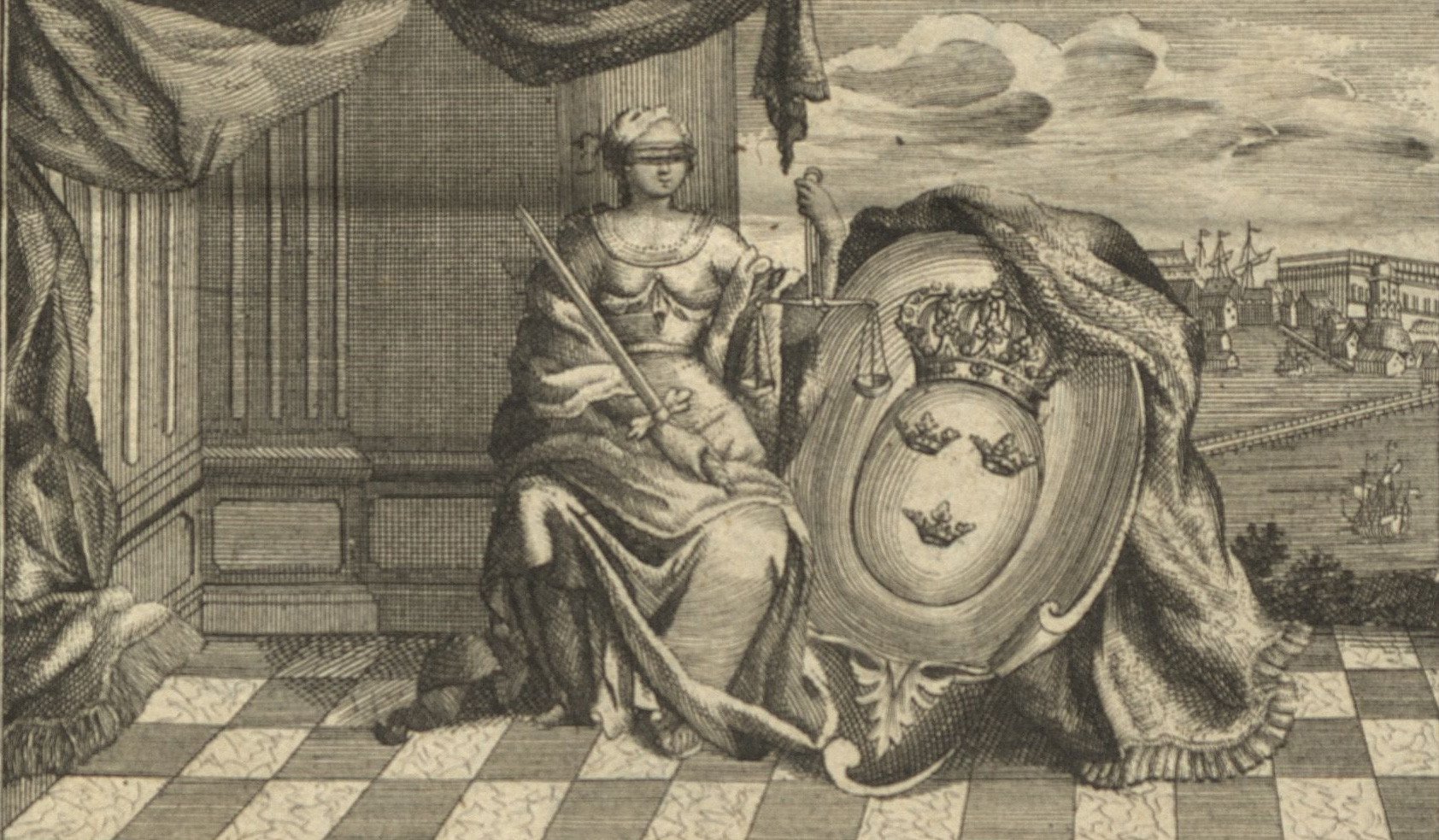
The aim of the Greifswald project is the complete digitization and full-text indexing of the verdict files of the Greifswald Faculty of Law, namely the statement of reasons for the judgments of the assessors at the Wismar Tribunal from the period of the Wismar Council Court from 1580 to 1880. In total there are around 250,000 pages of historical documents.
Such court sources often form the basis for various research fields of criminal law history and historical crime research with their references to research observing everyday life, as well as mentality- and gender research. They also provide detailed information about the changing legal thinking between the 16th and 19th centuries. Interestingly, they are not just about the “big criminal cases”, but rather about the “ordinary people” and their everyday conflicts with the law. The cases range from murder and manslaughter, robbery and theft, all kinds of assault and insults, broken marriage vows, inheritance disputes and guardianship, to economic crimes and matters of faith.

Due to their sheer quantity, their scope, and the special internal structure, the court and trial files in the archives are often only cataloged flat and can therefore only be researched to a limited extent. Even the arrangement of the process files makes it difficult to use them systematically. The inquiries from lawyers with the case descriptions and the associated legal information, counter statements and submissions from the prosecutor and defendants, witness statements and interrogation protocols are so manifold that these files are often only indexed according to the parties in litigation (who against whom?), hardly according to location, and almost never according to offenses.
The given text corpus therefore poses quite a challenge when it comes to the big questions (Who? What?, When?, Where?, How? And why?). They cannot be elicited that easily – which actually portrays a typical case for digital humanities … and also for archives.
This is where full-text indexing comes into play with the help of the tools of the Transkribus platform. The ability to develop an own HTR (Handwritten Text Recognition) models that fit the varied material perfectly and that are capable of reliably coping with and transcribing a text volume of up to 250,000 pages initially sounded like a utopia. Meanwhile, however, a large part of the material has been processed in Transkribus. It soon should also be searchable by using KWS (Keyword Spotting). The team describes the experiences they made in this project in a blog and of course they share their best HTR models with the Transkribus community.
The Greifswald University Archives, the Archives of the Hanseatic City of Wismar, the Mecklenburg-Western Pomerania State Archives, the Greifswald University Library and the READ-COOP cooperate in this project. The project is funded by the Deutschen Forschungsgemeinschaft (DFG).
Related Articles

Trug und Schein: unlocking the letters of wartime lovers
There are some Transkribus projects that are not only important for history, but for society too. “Trug und Schein” is one of those projects. For over 10 years now, volunteers have been transcribing...
Iurisprudentia - A Journey through Time
Legal history is a research field that focuses on the evolution of legal systems, and the reasons behind the implementation of different laws. Luckily for legal historians, law is also a field that...
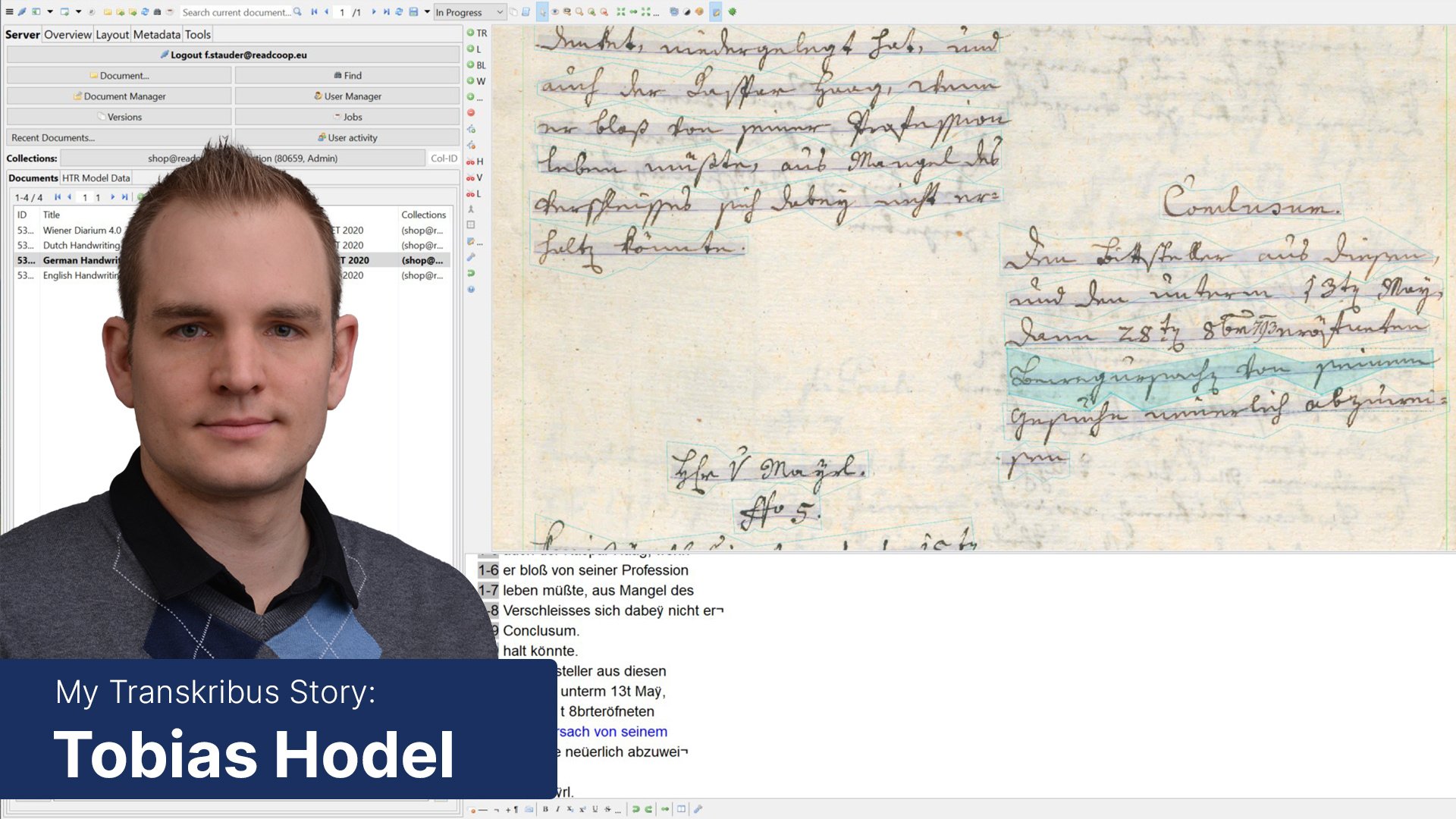
My READ/Transkribus Story: Tobias Hodel
In 2016 I joined the READ project for the state archives of Zurich. Within the large project, I became part of the dissemination working group and responsible for the alignment of more than 100’000...