Transkribus · PyLaia · Published September 11, 2021

Transkribus German Kurrent

Text Recognition

Description

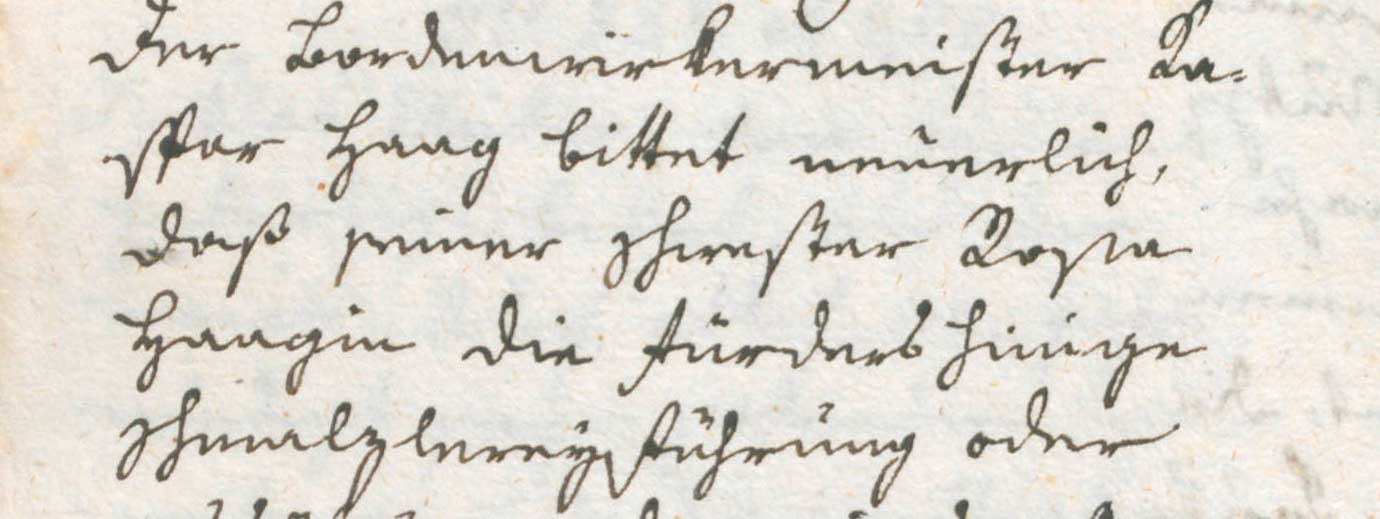
This model can decipher a wide range of German Kurrent, Sütterlin and Fraktur scripts from 17th to the 20th century. The training data set includes about 3 million words and has a CER on the validation set of 5.40%. Although this model recognises Fraktur (i.e., a print script), we do not recommend to use it on purely or mainly printed material. Better suited for that are our print-only models (‘Transkribus Print’), which cost fewer credits per quantity processed and will also deliver better results for purely printed material. Includes German Kurrent M1 and German Kurrent 17th and 18th C. and some other smaller sets. Retrained with changed parameters - seems to be better compared to model 32524 (PyLaia) and 29820 (HTR+)

Try this model

Transkribus German Kurrent
Use this modelOpen in Transkribus
Low error rate5.4% CER

Character Error Rate (CER) measures the percentage of characters incorrectly recognised. Lower is better. This model scored 5.4% on its validation set. As a rule of thumb, a CER below 10% is considered good for most handwritten material. This is a larger model trained on diverse material, which generally makes it more robust across different handwriting styles. That said, larger training sets also make it harder to push the CER down further.

Measured on the model's own validation data. Results on your documents may differ depending on handwriting style, document condition, language, and how closely your material resembles the training data.

Words3,209,689
Lines516,342
Training Pages16,247
Model ID36508