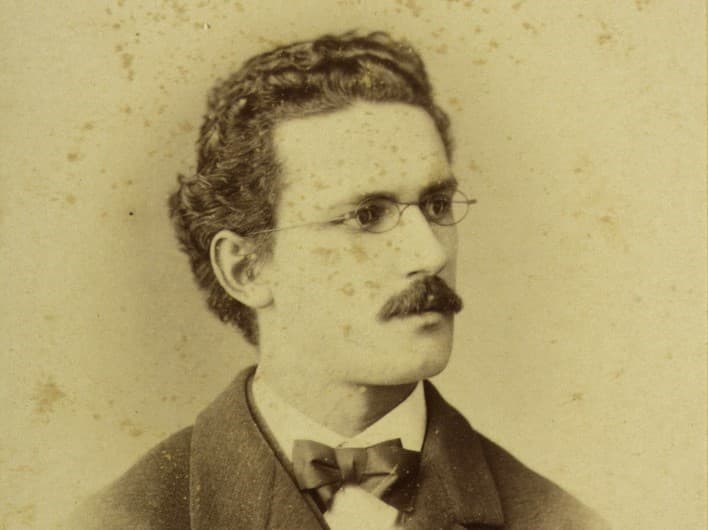
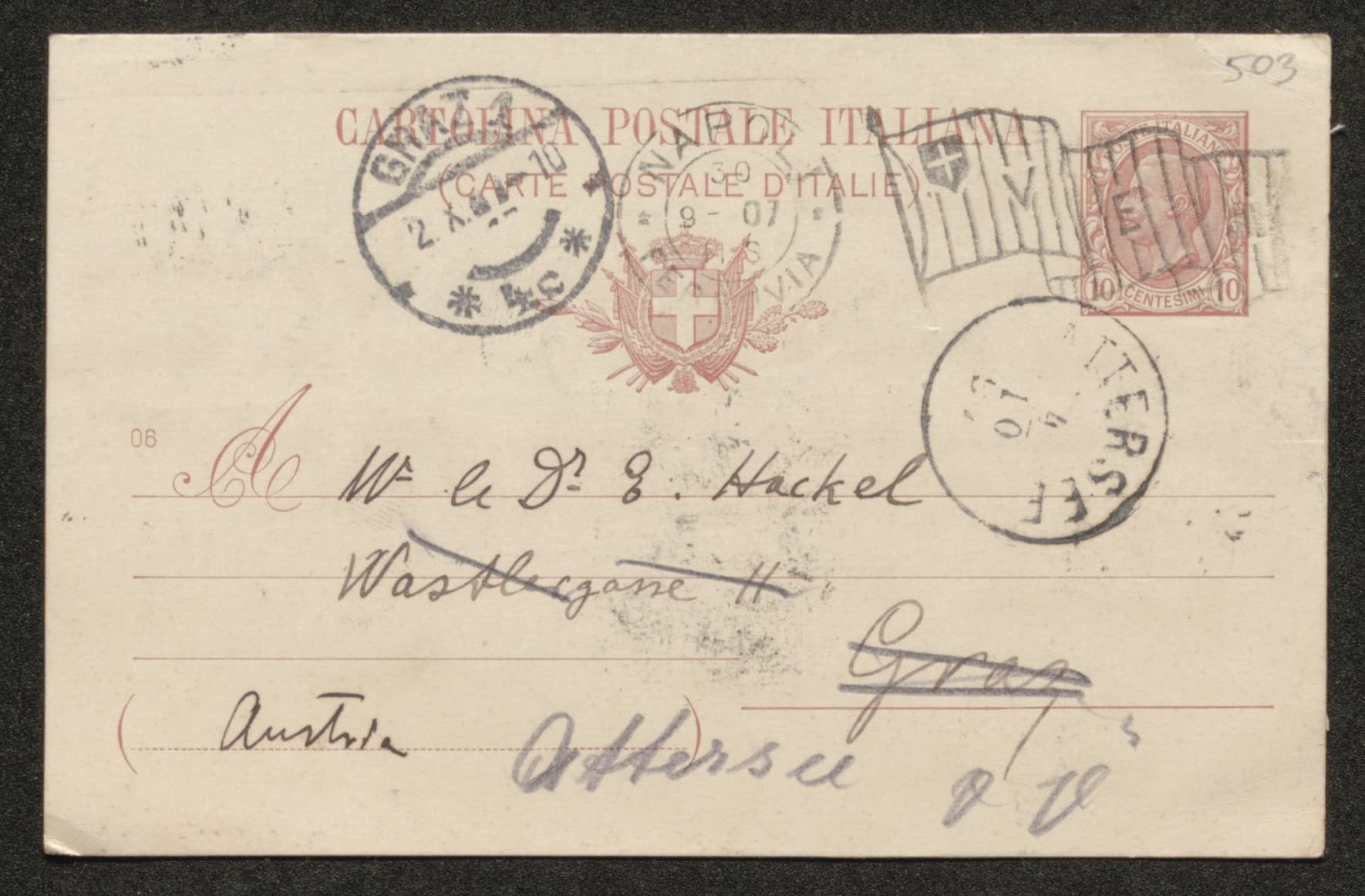
In the late 1800s to early 1900s, thanks to the developments of the postal services that made correspondence increasingly easier and quicker, there was an intense exchange of scientific ideas inside what can be defined as “invisible colleges”. Those were correspondence networks connecting several scientists and intellectuals that regularly exchanged ideas and knowledge.
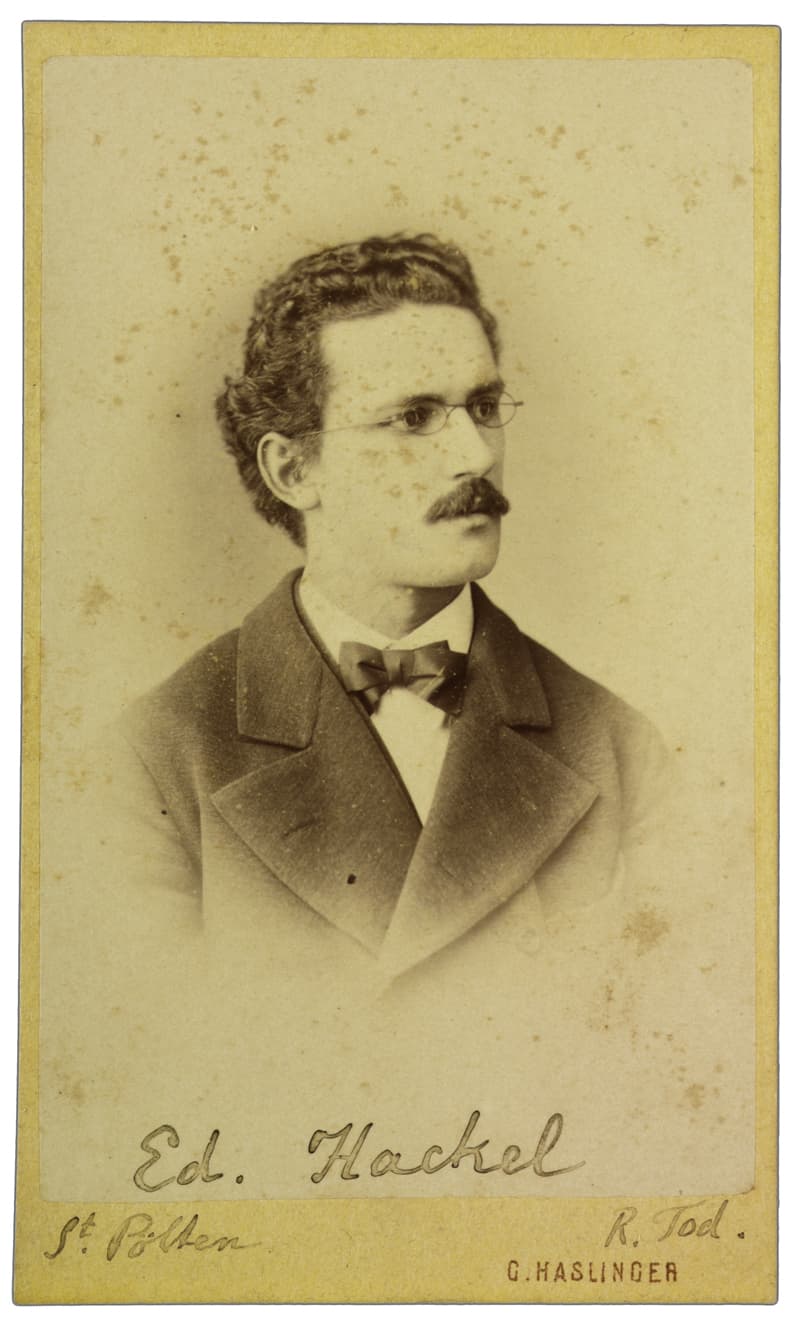
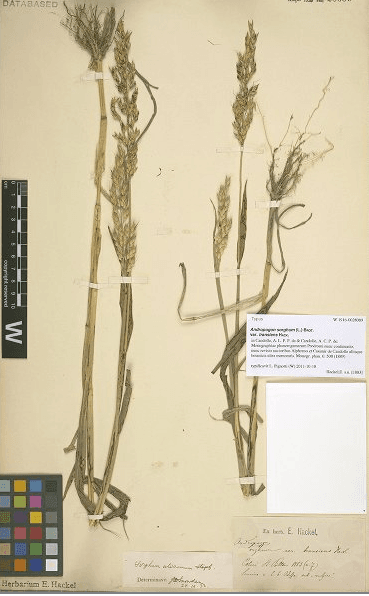
Eduard Hackel was no exception: since he became well known in the botanical community as a grass specialist, he started receiving hundreds of letters, often containing specimens to be identified, coming from all parts of Europe and the world (or at least, Europe’s colonies).
In fact, he lived at the end of the phase of big trans-oceanic scientific expeditions: by the middle of the 19th century all of the world's major land masses, and most of the minor ones, had been discovered by Europeans and their coastlines charted, and it became possible to earn a living as a professional scientist on an exploratory sailing ship. Many scientists choose to establish themself for long periods of time in European colonies.
Although correspondence between Europe and the rest of the world was still more expensive and less certain than within European states, colonial powers had courier networks for official correspondence, some of which expanded into full-fledged postal systems. As commerce grew, the post followed in its wake. Newly independent nations in the Americas established national postal services and, increasingly, signed postal treaties with one another and European powers.
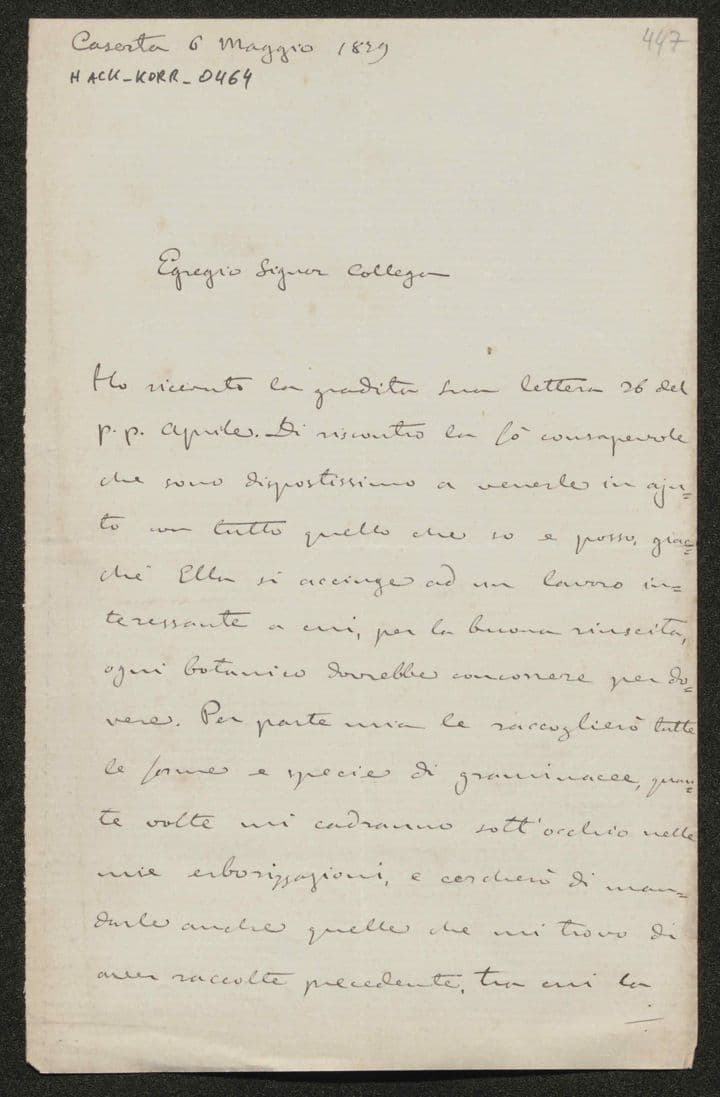
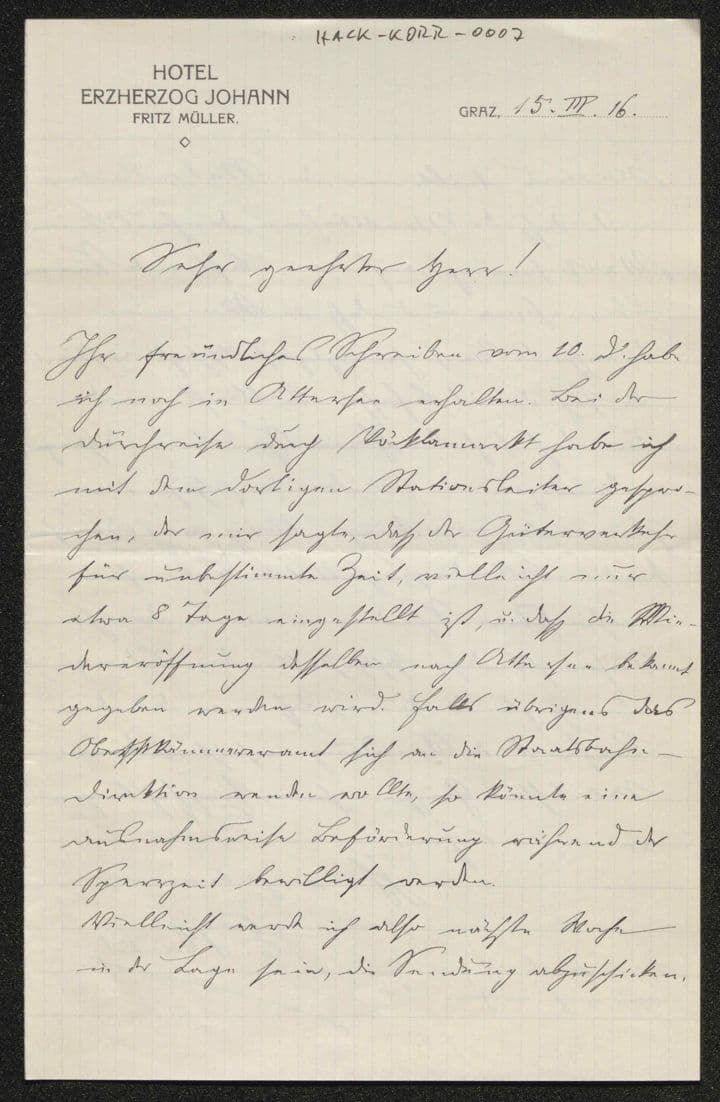
In 2024 the botanical department of the Natural History Museum of Vienna came in possession of a collection of more than 700 letters sent to Eduard Hackel between 1870 and 1932 by botanists writing from 40 different countries, in 6 different languages, in which he must have been fluent (German, English, Italian, French, Spanish and Latin).
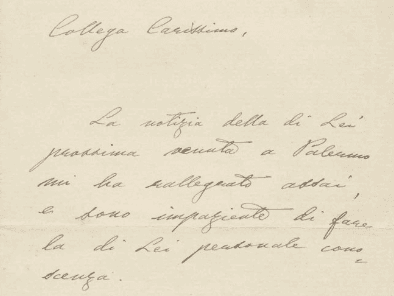
Among the senders, we identified 17 Italian scientists, whose letters are available for consultation in this Site.
Gallery
Explore Other Sites
 Austria
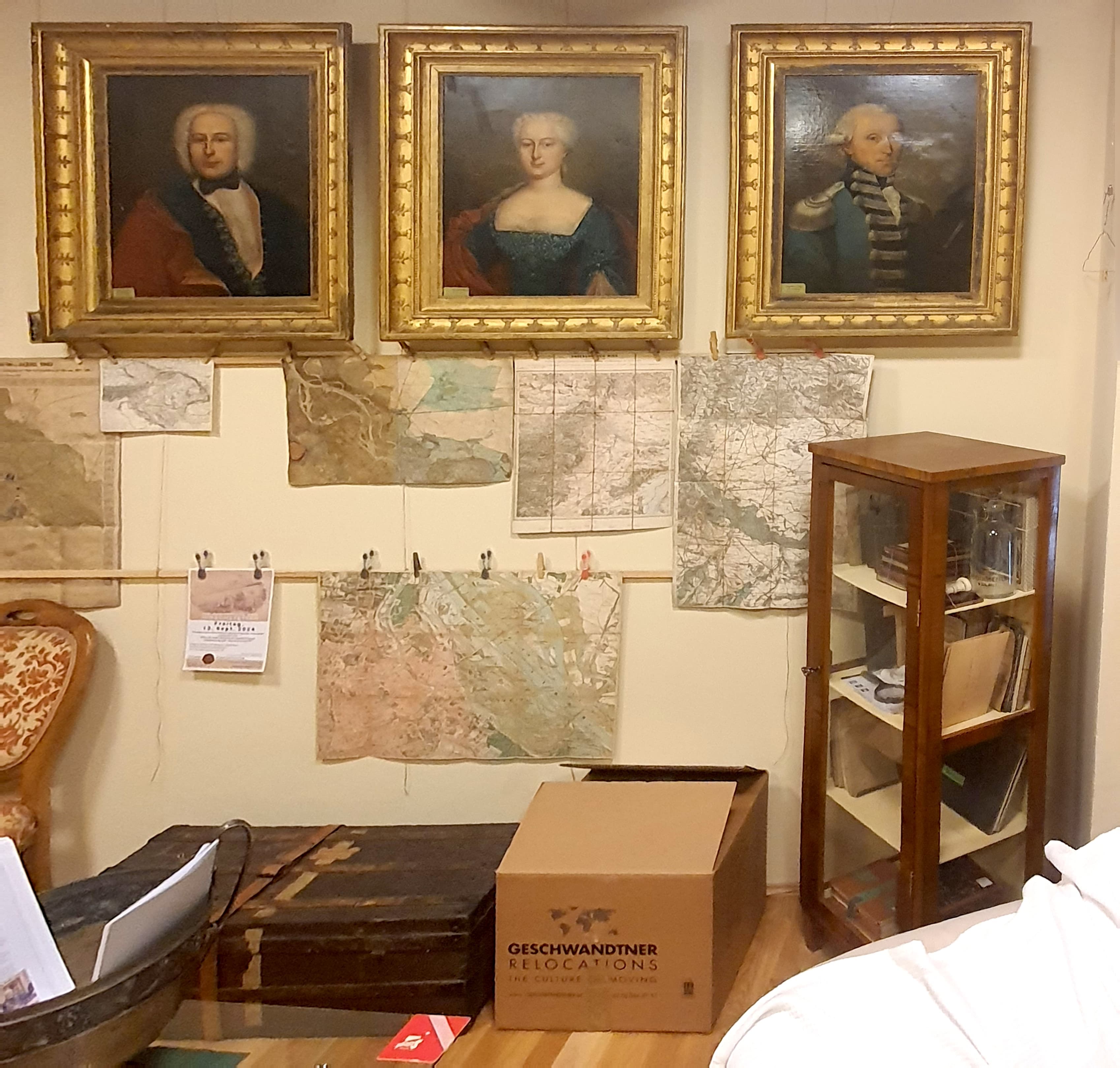
Pirquet-Archive
Pirquet-Archive
The Archive contains documents, pictures, maps and family trees collected by some of our ancestors beginning in the 18th century in Belgium and Austria.
Published Nov 2025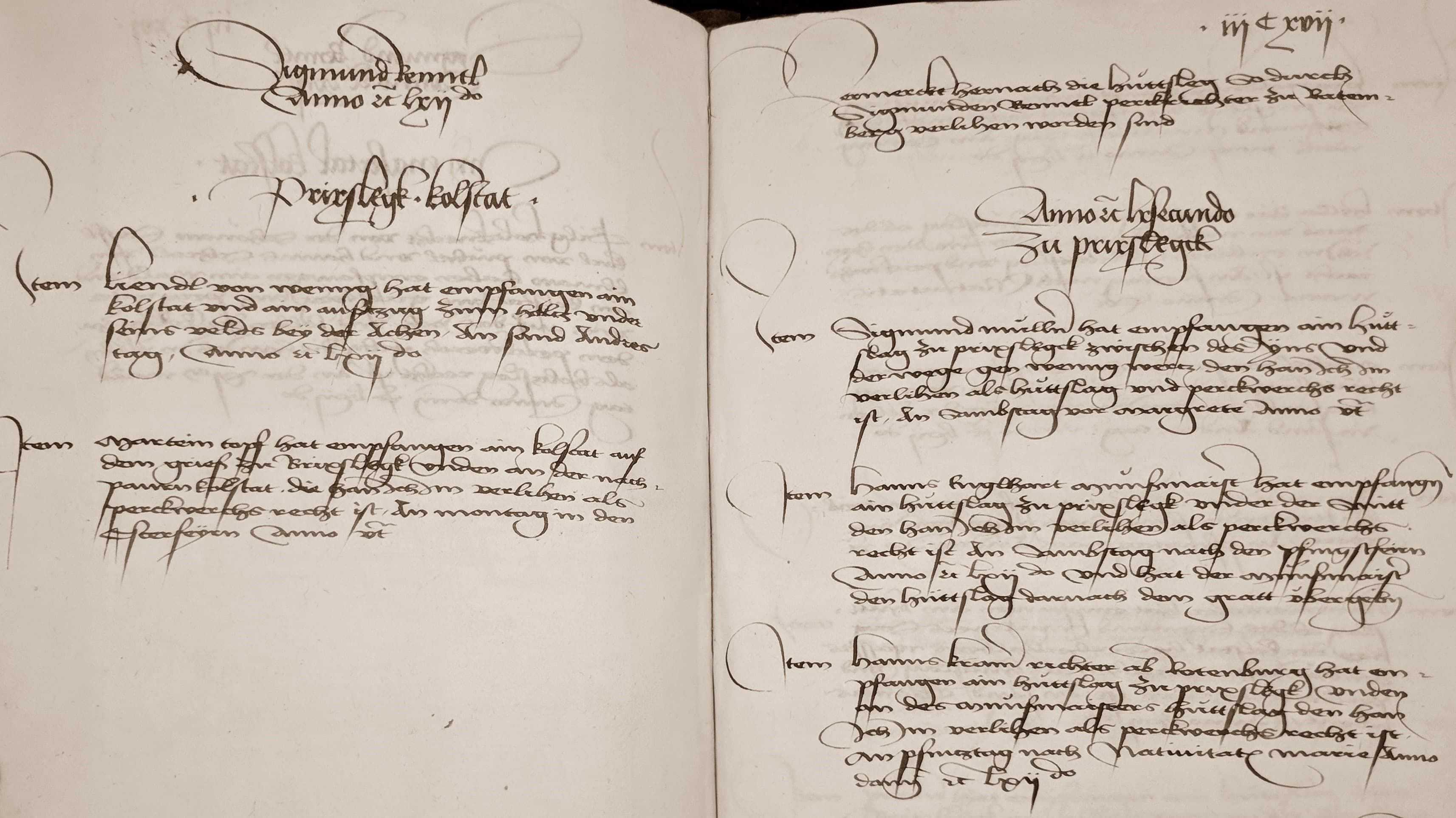 Austria
Mining Hub
On this platform you may currently explore historical mining documents that focus on the mining regions of Schwaz and Rattenberg in Tyrol (Austria). 1) "Verl...
Published Nov 2024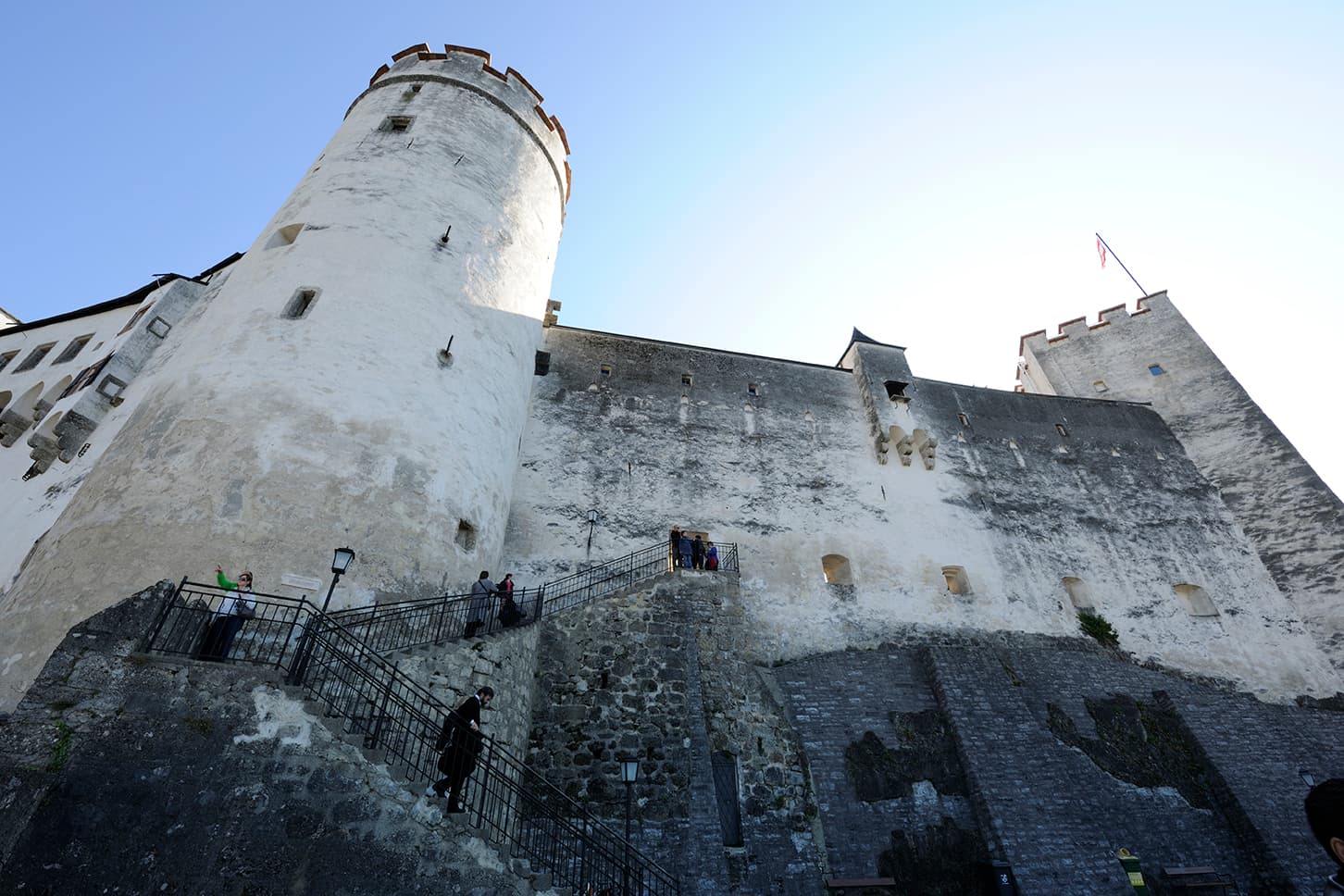 Austria
Hohensalzburg digital
Archiv der Erzdiözese Salzburg | Salzburger Landesarchiv
Ein Digital Humanites-Projekt der Universität Salzburg.Dazu mehr: https://hohensalzburg.digital/
Published Dec 2024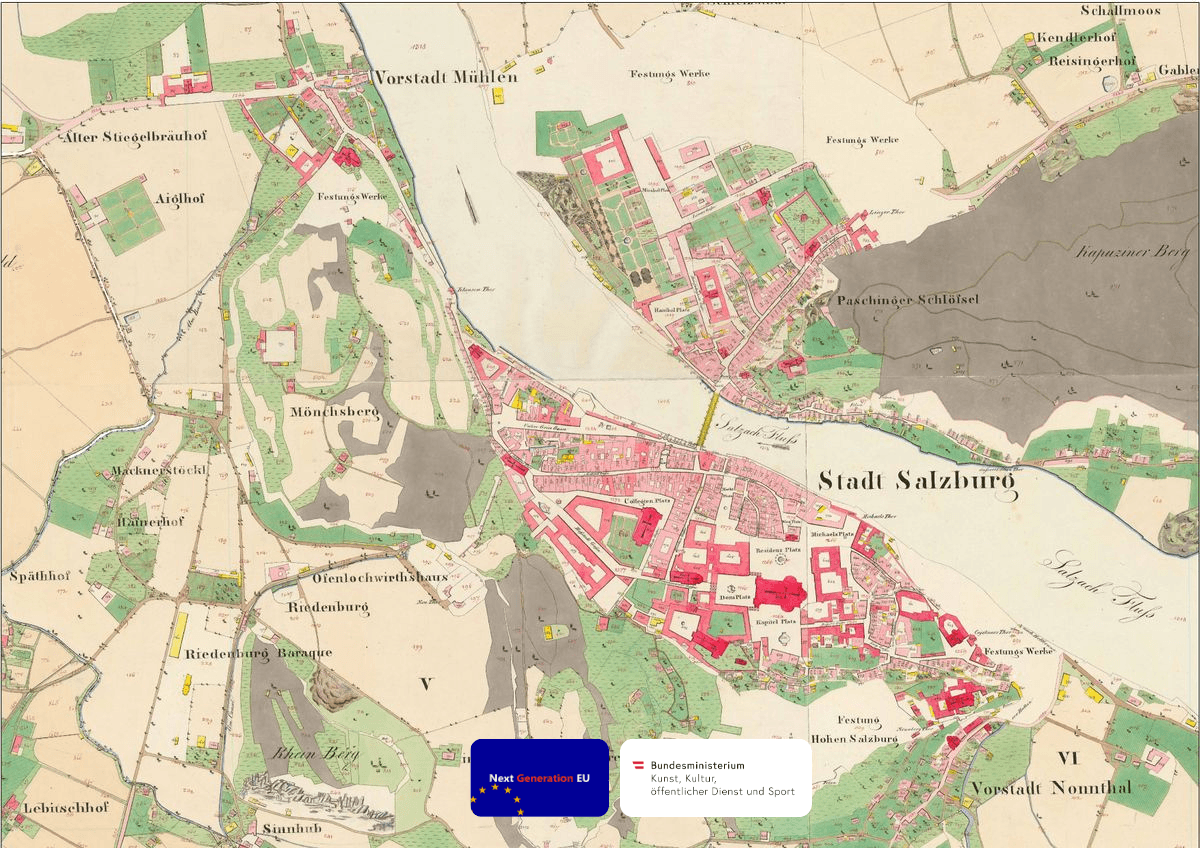 Austria
Franziszeischer Kataster - Begleitdokumente
Die Karten des Franziszeischen Katasters erfreuen sich seit Jahren großer Beliebtheit sowohl in der Forschung als auch in einer breiteren Öffentlichkeit. Das...
Published Dec 2023