+ Entangled Histories Ordinances of the Low Countries

In 2019 the KB National Library of the Netherlands welcomed the Researcher-in-Residence project Entangled Histories Ordinances of the Low Countries. Within this project, Annemieke Romein, Sara Veldoen and Michel de Gruijter studied early modern legislation, regarding volumes of printed texts. Transkribus was used in this project in order to make early modern printed texts (e.g. Dutch Gothic) readable.

The 108 volumes that were used within Entangled Histories contained thousands of rules from the early modern era. As the indexes of the various volumes were created with different standards and keywords, searching through the texts can be challenging if they need to be compared. Hence, Entangled Histories aimed at dissecting the individual texts and consequently categorise them according to a controlled vocabulary. As segmentation of texts is a field that is heavily under development, a couple of tests on what would work had been run through. In order to automatically categorise the legal texts, the Finnish tool Annif had been used. This tool has various back-ends that enable a range of options for automatic categorisation. As the project used a controlled, hierarchical vocabulary, they had to create a SKOS for this specific project. Though Annif had not been used at hierarchical structures before, they got some excellent results even though they ended up using only 400 texts in the case study.

Such a combination of techniques – recognition, segmentation and categorisation – could be interesting to also to other projects and archives to be able to quickly metadata individual texts. If you want to know more, you can check out these recent publication in the DHBenelux Journal (OA) called: The Datafication of Early Modern Ordinances.

Related Articles

+ Distance learning with Transkribus

+ Distance learning with Transkribus

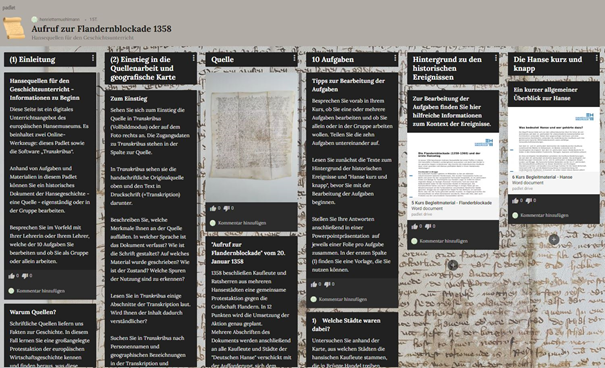
The Europäische Hansemuseum Lübeck carried out a project with school pupils where the students worked directly on the original sources of the Hanseatic cities via the Transkribus Webinterface. The...
+ Finding out more about undiscovered Hanse-documents with the help of Transkribus

+ Finding out more about undiscovered Hanse-documents with the help of Transkribus

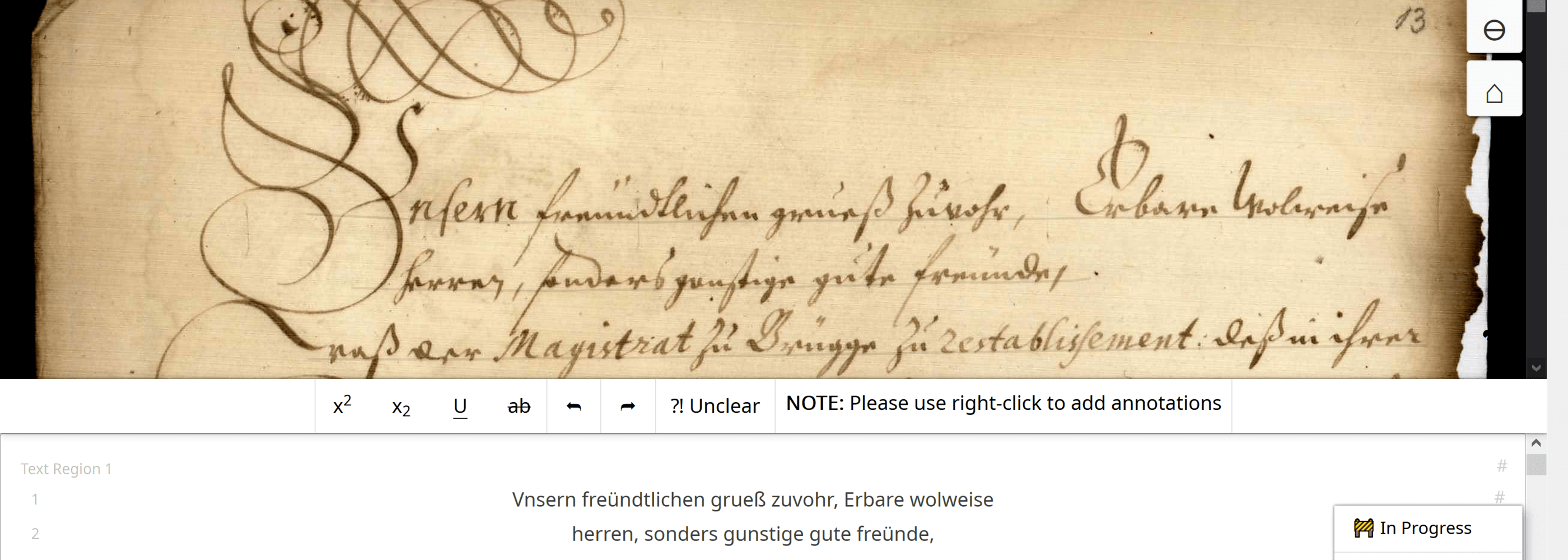
The Hanse-cities, a trade-group from the 13th to the 17th century, have left huge amounts of highly valueable historical documents to be discovered. Until today only a small portion of these...
+Transkribus e le frontiere dell’analisi elettronica dei testi

+Transkribus e le frontiere dell’analisi elettronica dei testi

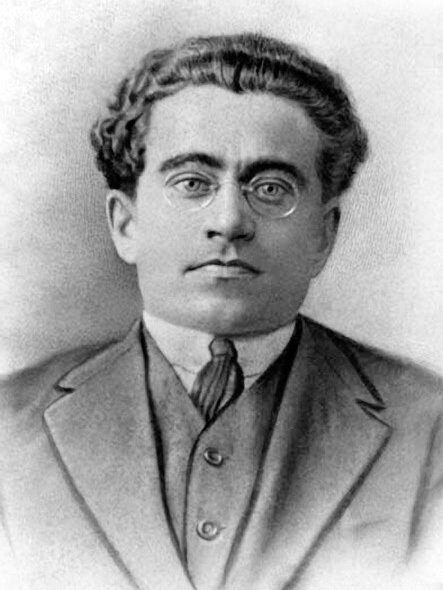
Recently an interview on the experience with Transkribus has been publicised by the Gramsci centre for the humanities and the University of San Marino. A model for the prison notebooks of Antonio...