+ Finding out more about undiscovered Hanse-documents with the help of Transkribus
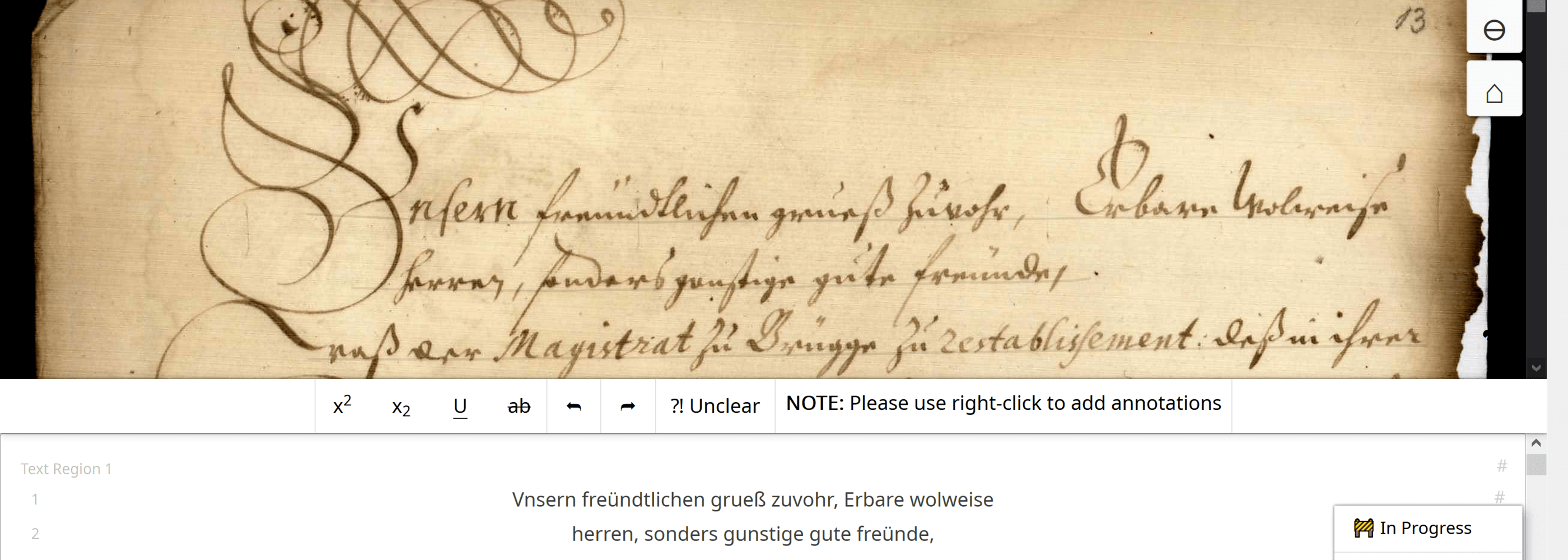
The Hanse-cities, a trade-group from the 13th to the 17th century, have left huge amounts of highly valueable historical documents to be discovered. Until today only a small portion of these documents has been researched by historians.
Thanks to the “Hanse.Quellen.Lesen!”-project many more documents – and especially those from the 16th and 17th century are getting more attention now. Due to the sheer amount , it would not be possible to handle the workload without the help of volunteers and automated transcription. Therefore, the Europäische Hansemuseum Lübeck and the Forschungsstelle für die Geschichte der Hanse und des Ostseeraums (FGHO) started a citizen science project in cooperation with the Archiv der Hansestadt Lübeck (AHL) to work on the transcription with the help of volunteers and Transkribus.
The “first round” of the project has been a spontaneous initiative during the first Corona lockdown in spring 2020. The objective was to try out if a citizen science project would be suitable to work on the scripts. Transkribus has proved to be a suitable tool to provide the technical background for digitization and transcription. Due to the great success the project has moved on to the “second round” by now, called: “Hanse.Quellen.Lesen! 2.0”. FGHO will make its documents available via the read&search application of Transkribus.
Last but not lease it is a great pleasure for us to welcome the Hansemuseum also as a READ-COOP-member and are looking forward to a fruitful collaboration. Events like a Citizen Science Day, a summer school and university seminars dealing with the topics of the “Hanse-Quellen-Lesen!”-project are already on the agenda of our partners from the Hansemuseum.
Here you can find more information about their inspiring project: https://fgho.eu/de/hanse-quellen-lesen
read&search demo version: https://transkribus.eu/r/demo-read-search/
Related Articles

Transkribus at the Bibliotheca Hertziana – Max Planck Institute for Art History
Digital Publications are the latest addition to the DH Lab of the Bibliotheca Hertziana – Max Planck Institute for Art History in Rome (https://www.biblhertz.it), and the goal is to to publish the...
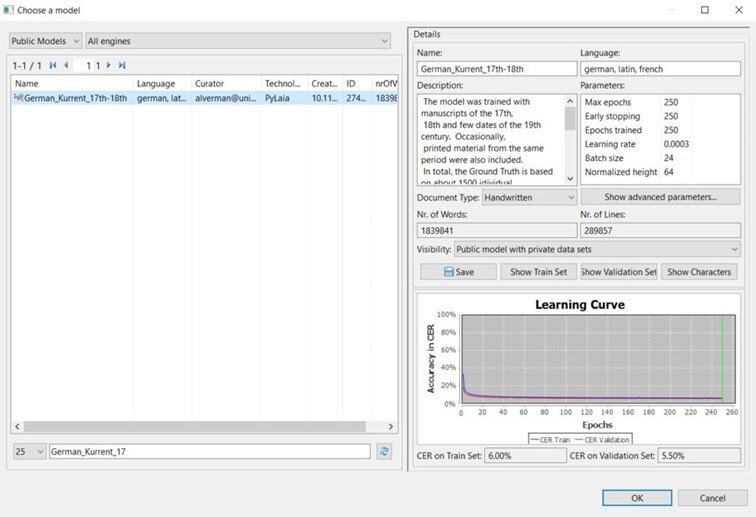
+ "German_Kurrent_17th-18th" – The Kurrent Jack of all Trades
Already got to know one of our biggest models in Transkribus? That is the German_Kurrent_17th-18th model by the University of Greifswald. Different kinds of texts have been part of the training to do...
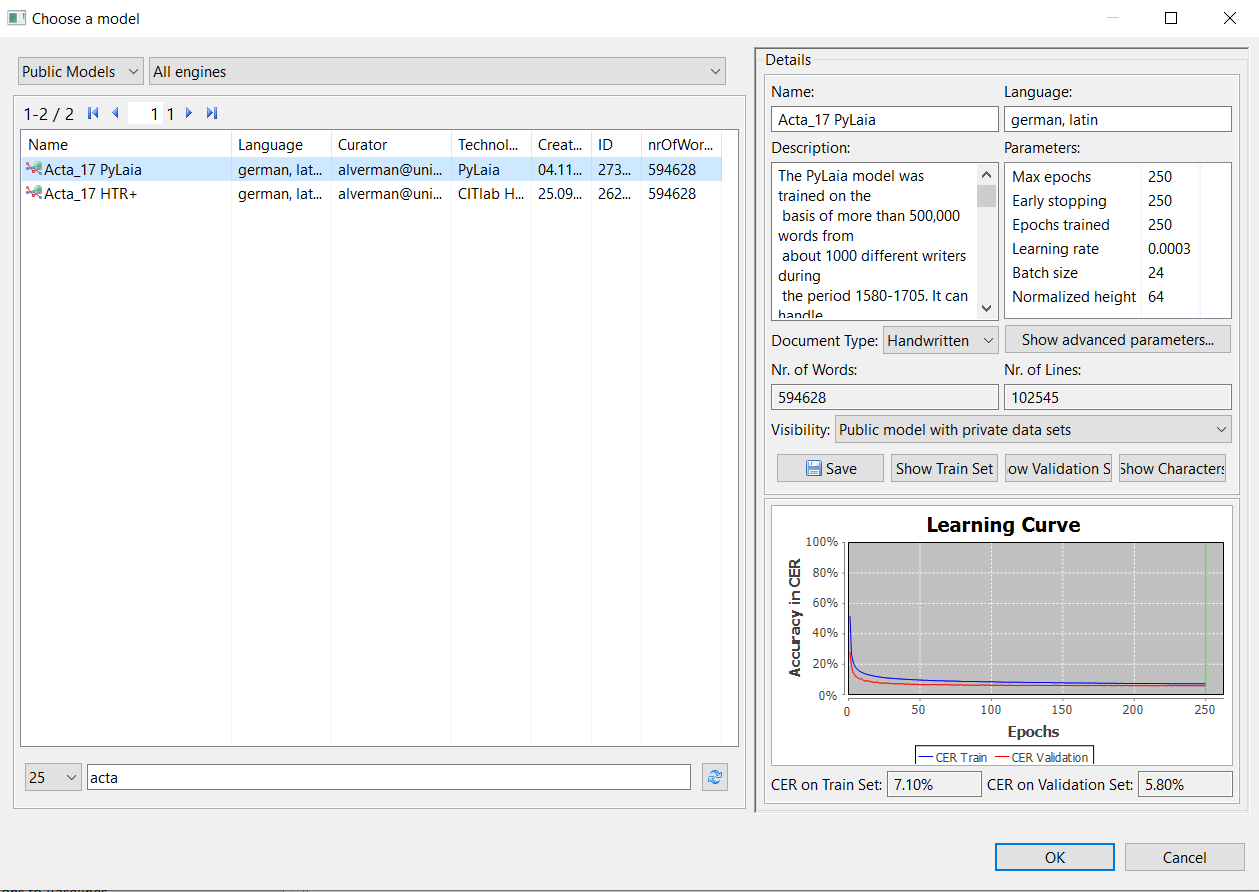
+ Acta_17 – Greifswald Supercharged
Guess who is familiar with a thousand different writers, speaks German, Lower German and Latin and has a favour for 17th century manuscripts? That is the “Acta_17”-model created by Dirk Alvermann,...