Check out the new PyLaia model for printed text
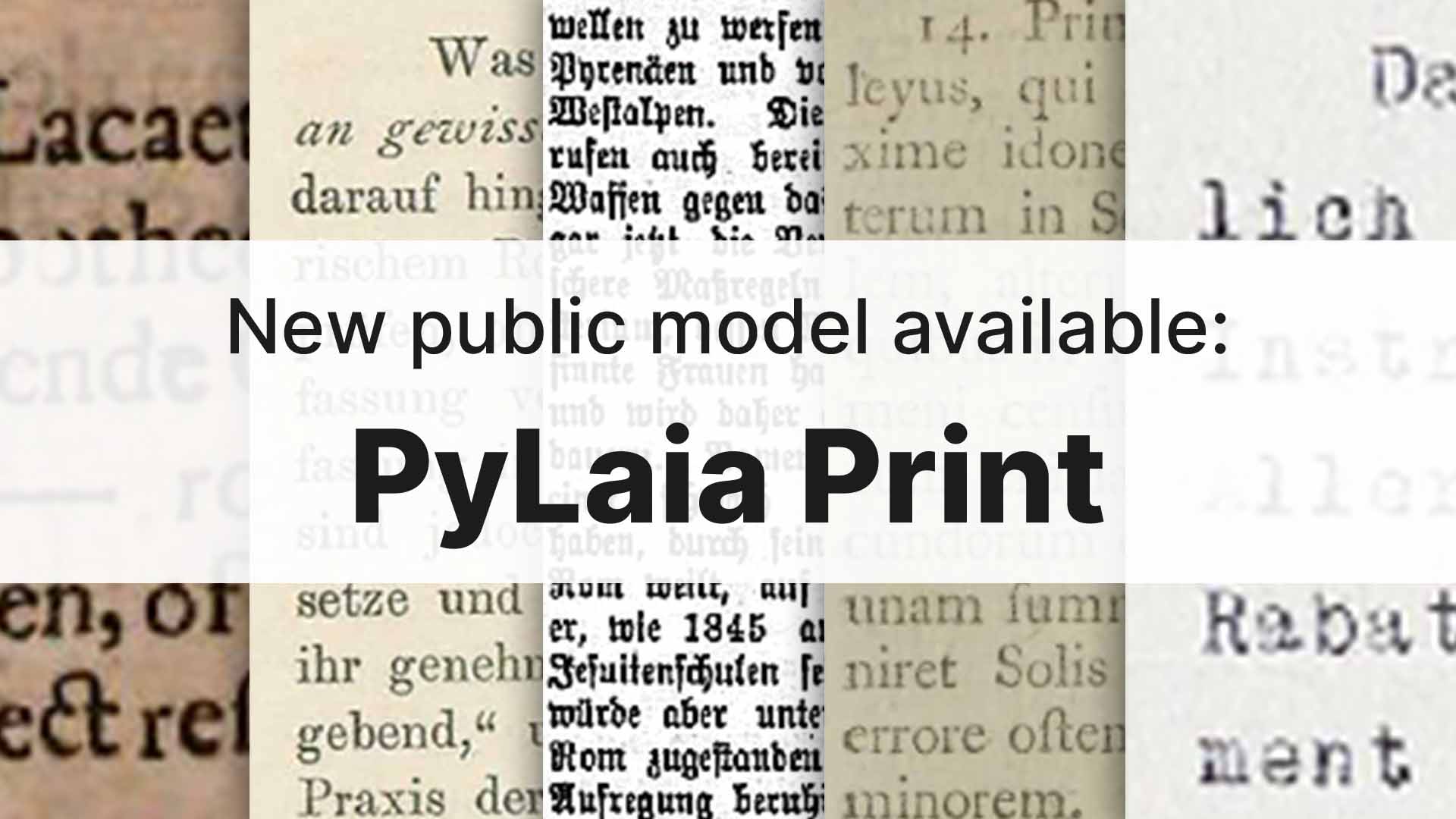
We are happy to introduce a new PyLaia print model (Transkribus print 0.3). You may already be familiar with our HTR+ print model, which in addition to common Antiqua and Fraktur typefaces can also decipher typewritten text, modern computer printouts, and even various unusual ‘decorative fonts’ in several languages. A similar model is now also available for PyLaia.
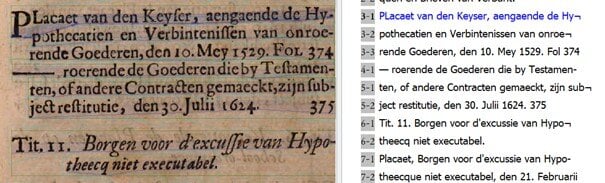
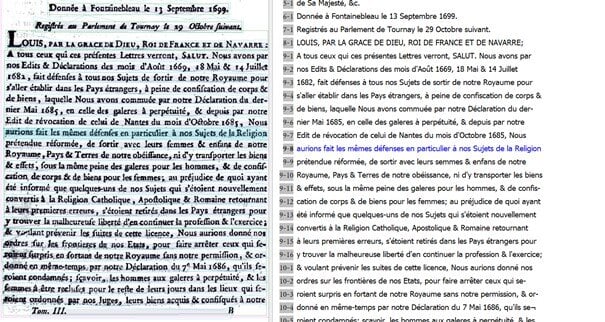
We have compared the two models and the results of the PyLaia model seem to match and in some cases surpass those of the HTR+ model. On one of our test sets for example, the new PyLaia model was 30% faster while having a CER of 1.28% compared to 1.64% of the HTR+ model. We have observed before that PyLaia seems to be doing very well on large and diverse train sets such as this. Below you can see some results of the new model, but the best way to see what the model is capable of is to just try it out.
Also, for those of you who have to keep an eye on project budgets: HTR processing with Pylaia models uses slightly fewer credits than with HTR+ models.
Related Articles
Greifswald: Making legal sources from 1580 to 1880 accessible
The aim of the Greifswald project is the complete digitization and full-text indexing of the verdict files of the Greifswald Faculty of Law, namely the statement of reasons for the judgments of the...
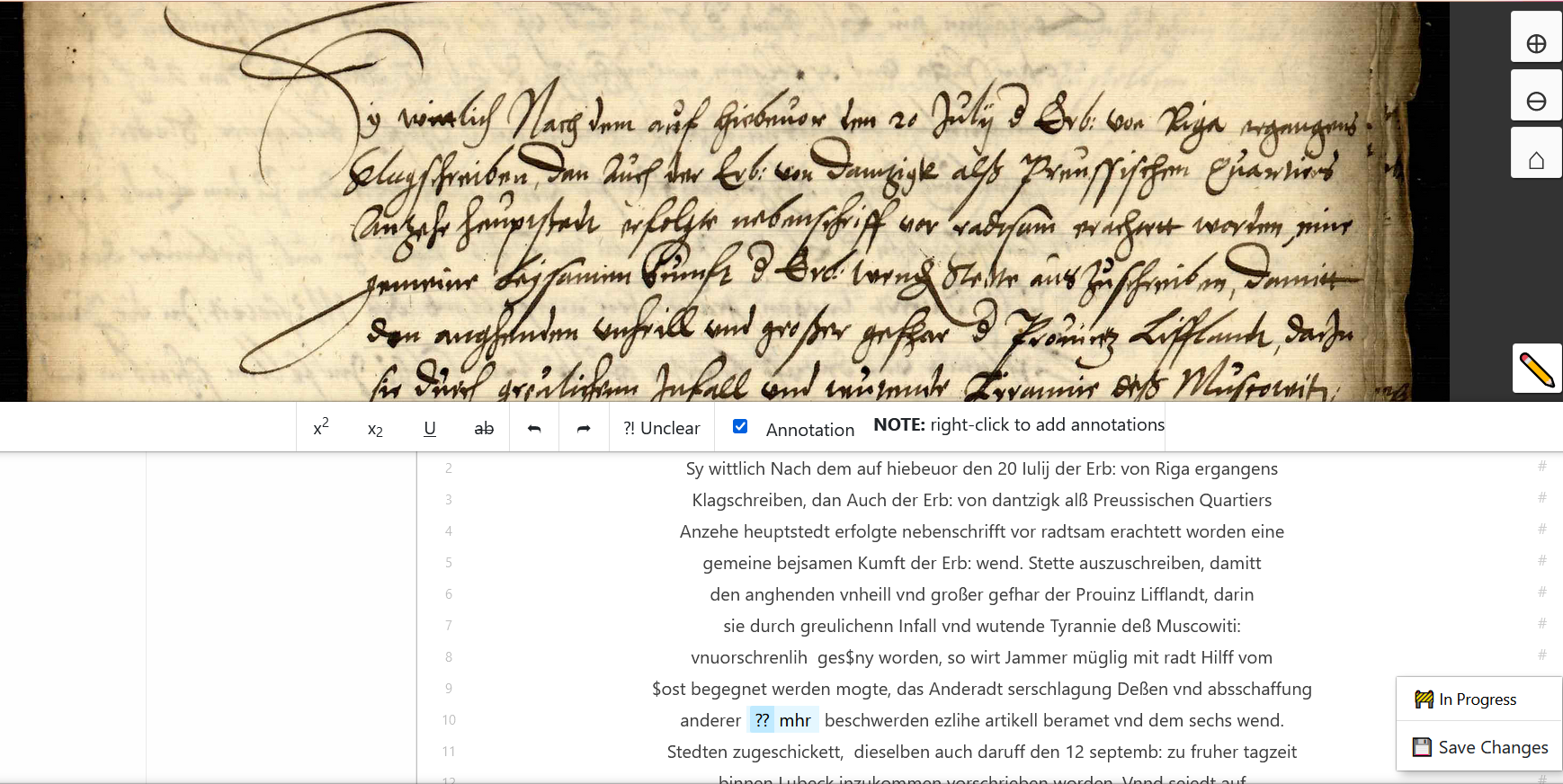
Recesses of Low German Hanseatic Days: A Hanseatic journey with Transkribus
Over the last 150 years, large edition series have shaped hanseatic research. Around 1900, a group of historians had collected and brought between book covers a vast amount of material up to the...
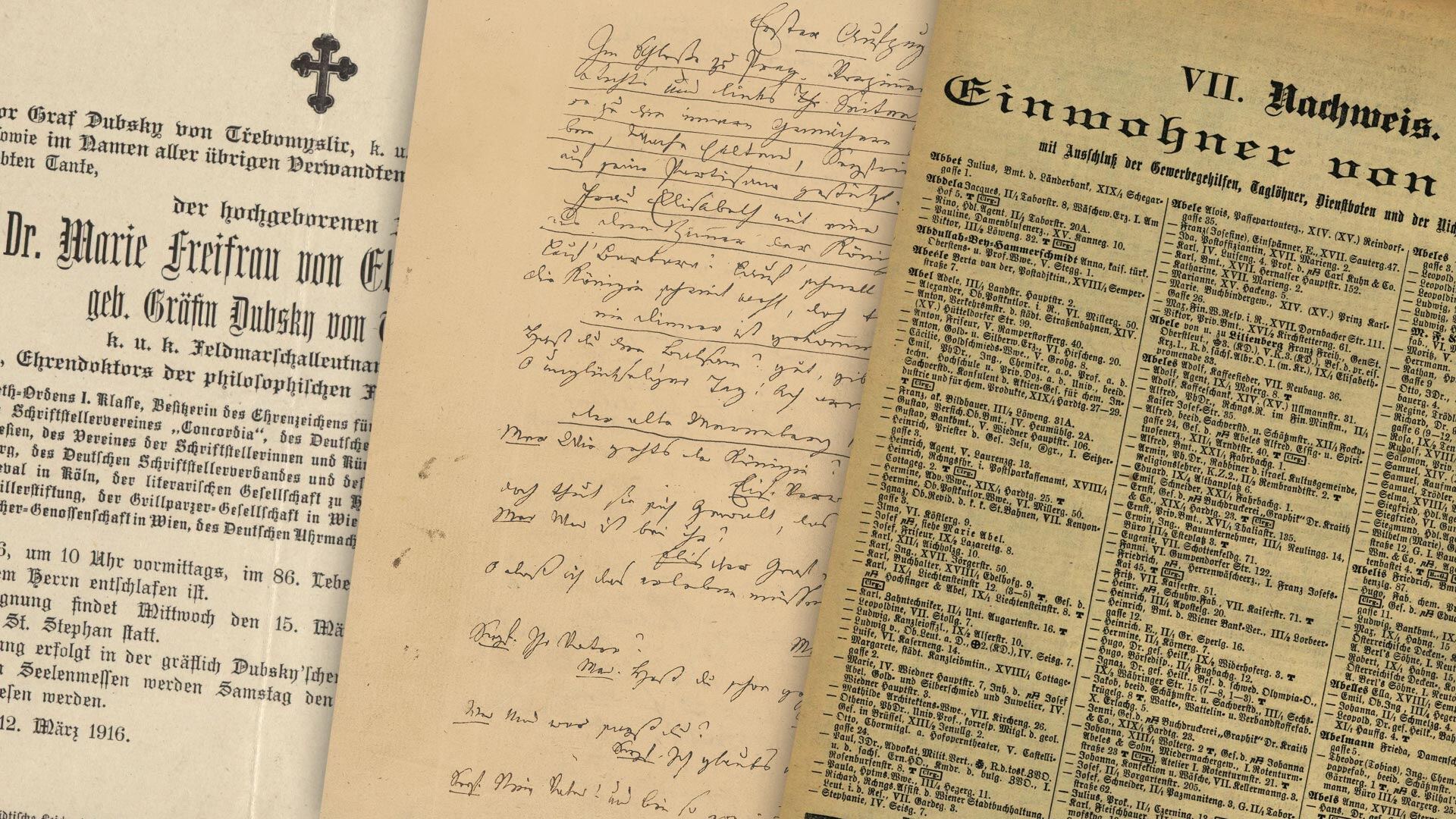
Transkribus Projects at the Vienna City Library
The Vienna City Library has already implemented three projects with Transkribus. Their first project was the Lehmann address books. All of Vienna’s main tenants from 1859 to 1942 are listed in these...