Historical tax records and fiscal registers, structured and searchable
Tax rolls, tithe records, assessment lists, and revenue ledgers are among the most voluminous tabular holdings in any archive. Their dense columnar layouts — packed with names, amounts, and property descriptions — make them ideal candidates for AI-powered table recognition. Transkribus detects the table structure, reads the handwriting, and exports structured data ready for analysis.
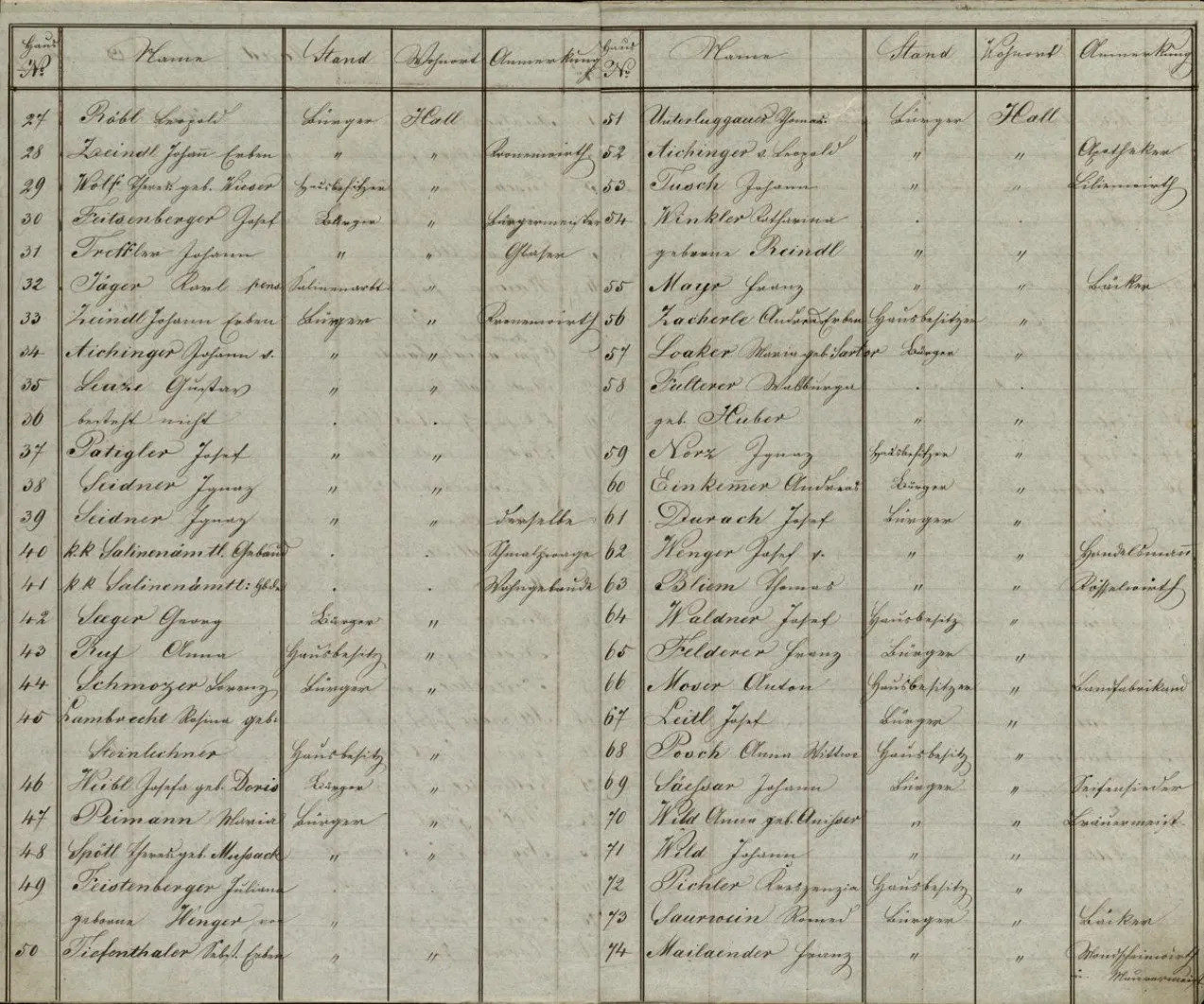
See table recognition in action
Transkribus detects the grid structure of fiscal registers and extracts each cell into structured data you can export.
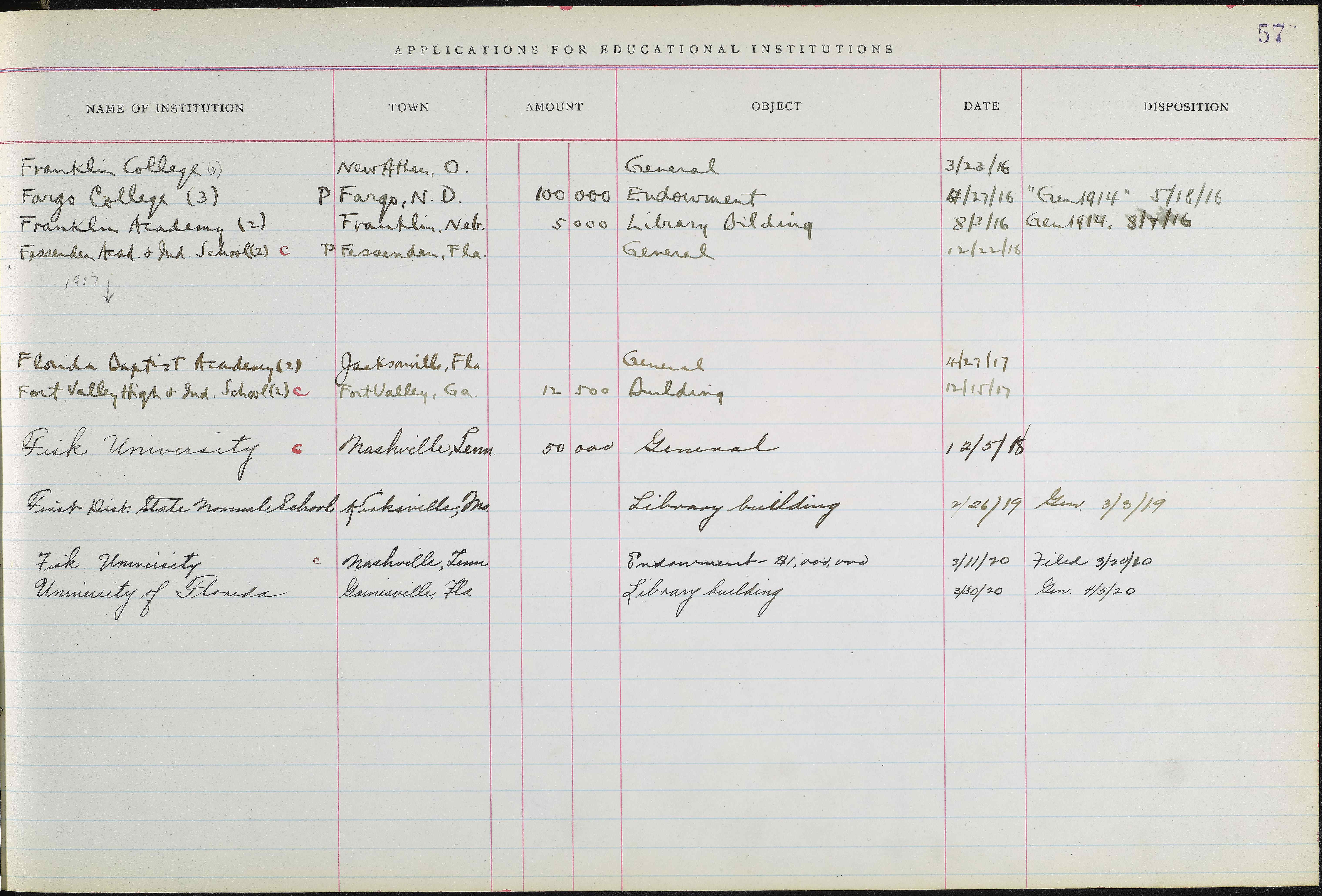
| Institution | Town | Amount | Object | Date | Disposition |
|---|---|---|---|---|---|
| Franklin College (6) | New Athen, O. | General | 3/23/16 | ||
| Fargo College (3) | Fargo, N.D. | 100,000 | Endowment | 4/27/16 | Gen 1914, 5/18/16 |
| Franklin Academy (2) | Franklin, Neb. | 5,000 | Library Building | 8/3/16 | Gen 1914, 8/7/16 |
| Fessenden Acad. & Ind. School | Fessenden, Fla. | General | 12/22/16 | ||
| Florida Baptist Academy (2) | Jacksonville, Fla. | General | 4/27/17 | ||
| Fort Valley High & Ind. School | Fort Valley, Ga. | 12,500 | Building | 12/15/17 | |
| Fisk University | Nashville, Tenn. | 50,000 | General | 12/5/18 | |
| First Dist. State Normal School | Kirksville, Mo. | Library Building | 2/26/19 | Gen. 3/3/19 |
Fiscal records Transkribus can process
From early-modern tax books to 19th-century assessment registers — all tabular, all handwritten, all searchable.
Tax rolls
Annual or periodic lists of taxpayers with assessed amounts, organized by parish, town, or district.
Assessment lists
Detailed property valuations used to calculate tax obligations — often with multi-column layouts.
Tithe records
Church and secular tithe registers documenting payments in kind or currency from landholders.
Revenue ledgers
Municipal and state income books recording collected taxes, fees, and fines across fiscal years.
Property tax registers
Cadastral-linked registers listing properties, owners, and annual tax assessments for each parcel.
A complete platform for tax record digitization
Upload scans of historical tax ledgers and combine layout analysis, text recognition, and table detection to extract structured financial data.
Comparison
AI vs. manual digitization of tax records
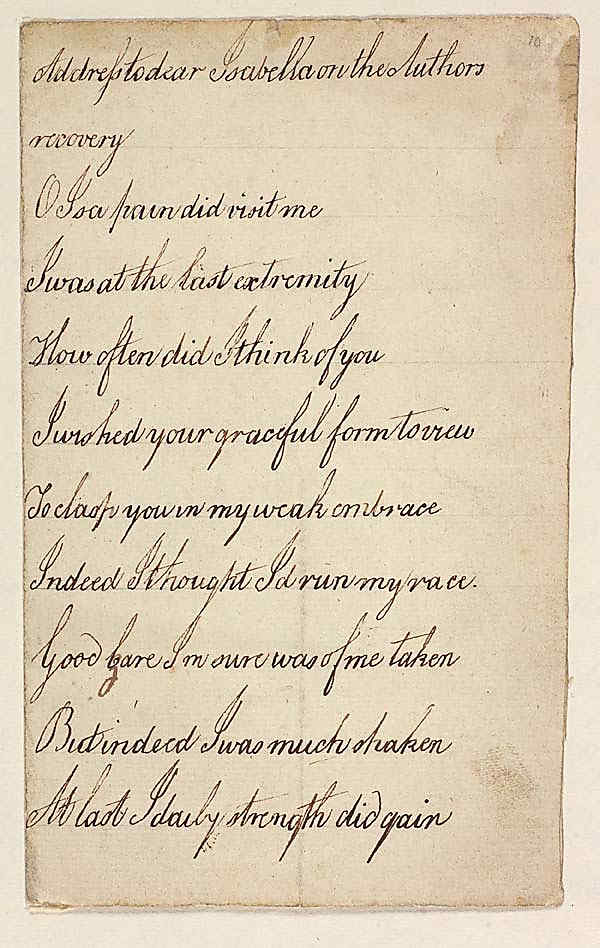
Tabular fiscal records are among the most time-consuming documents to transcribe by hand. AI-powered table recognition changes what is possible.
| Feature | Transkribus AI | Manual Approach |
|---|---|---|
| Handwriting support | AI models trained on thousands of historical scripts — from early-modern cursive to 19th-century administrative hands | Requires palaeography expertise; each new script or hand slows the transcriber down |
| Table structure preservation | Automatic table detection preserves column associations — names, amounts, and properties stay linked in the export | Transcribers must manually recreate table structure in spreadsheets, introducing alignment errors |
| Scalability | Process entire collections in hours, not months — scale from hundreds to tens of thousands of pages | Linear effort: every additional page requires the same manual work |
| Accuracy validation | Confidence scores flag uncertain readings for targeted review — focus human effort where it matters | No built-in quality metric; errors from fatigue go undetected until downstream analysis |
| Export flexibility | Structured output in CSV, Excel, PAGE XML, ALTO, or searchable PDF — ready for any research database or archive system | Output format depends on the transcriber; often inconsistent across volumes or projects |
Comparison reflects typical performance on 18th- and 19th-century handwritten tax records with 300 dpi scans. Actual results depend on document condition, script, and scan quality.
Research connections
Cross-reference with land registries and census data
Built for the challenges of fiscal records
Capabilities that address the specific difficulties of historical tax documentation.
Handles faded ledger entries
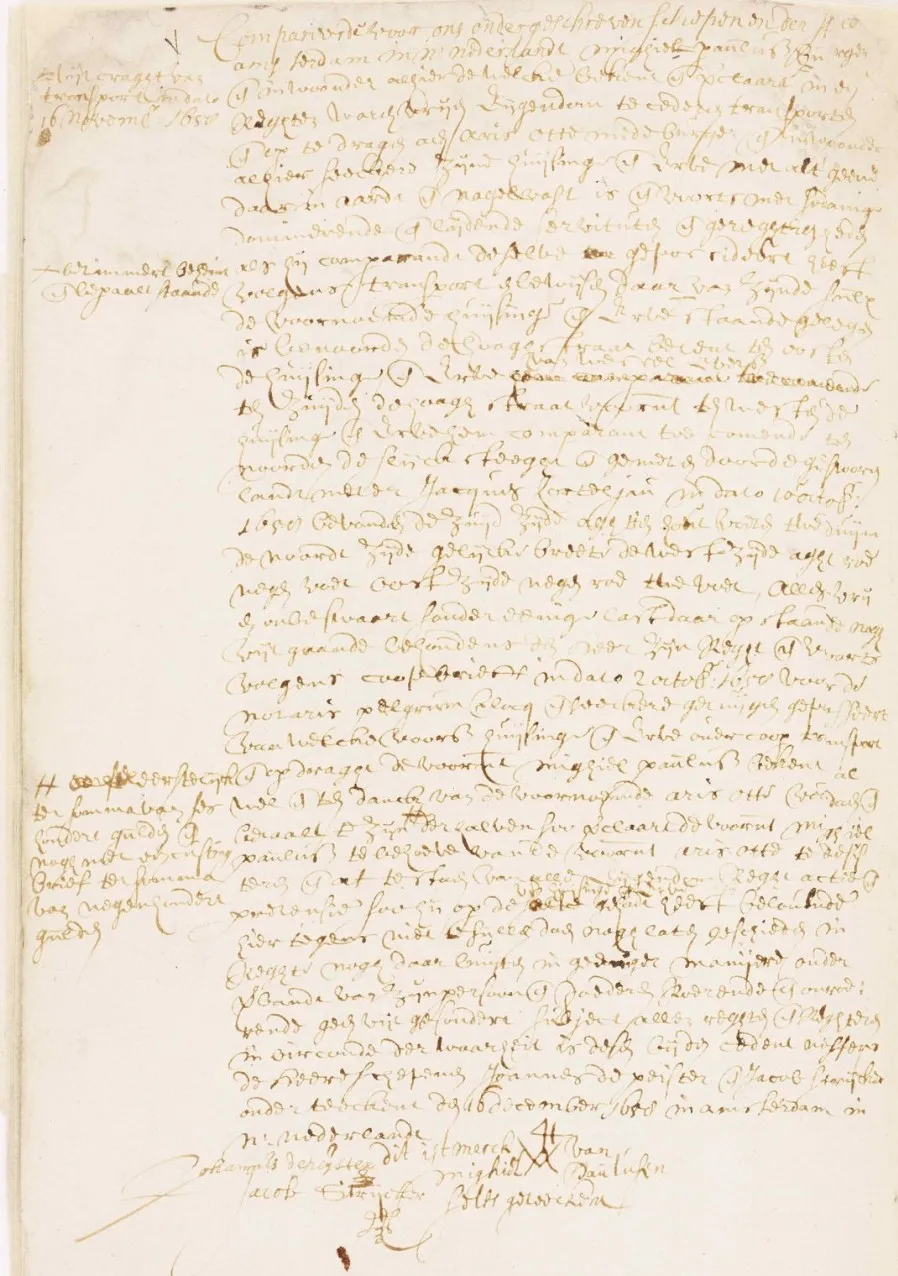
AI models are trained on degraded, faded, and water-damaged manuscripts. Even where ink has faded to near-invisibility, the recognition engine recovers readable text from tax registers.
Historical currencies and units
The models learn period-specific abbreviations for historical currencies, weights, and land measurements across regions and centuries — pounds, shillings, pence, acres, and their many local variants.
Multi-column layouts
Table recognition handles complex fiscal layouts with narrow cells, merged rows, sub-totals, and marginal annotations — preserving the columnar structure in the export.
Integration with research databases
Export structured fiscal data as CSV, Excel, or XML for direct import into archive information systems (AtoM, AUGIAS, ACTApro) or quantitative research tools.
Ready to unlock your fiscal records?
Book a free 30-minute consultation. We will review a sample of your tax records and discuss the best approach for your collection.
Managed project or self-service — we are happy to discuss both.