Transcribe Spanish colonial records with AI
Church books, land grants, notarial records, and census documents from Latin America, the Philippines, and Spain — spanning 1500 to 1900. AI reads procesal, cortesana, and colonial cursive handwriting so you don't have to.
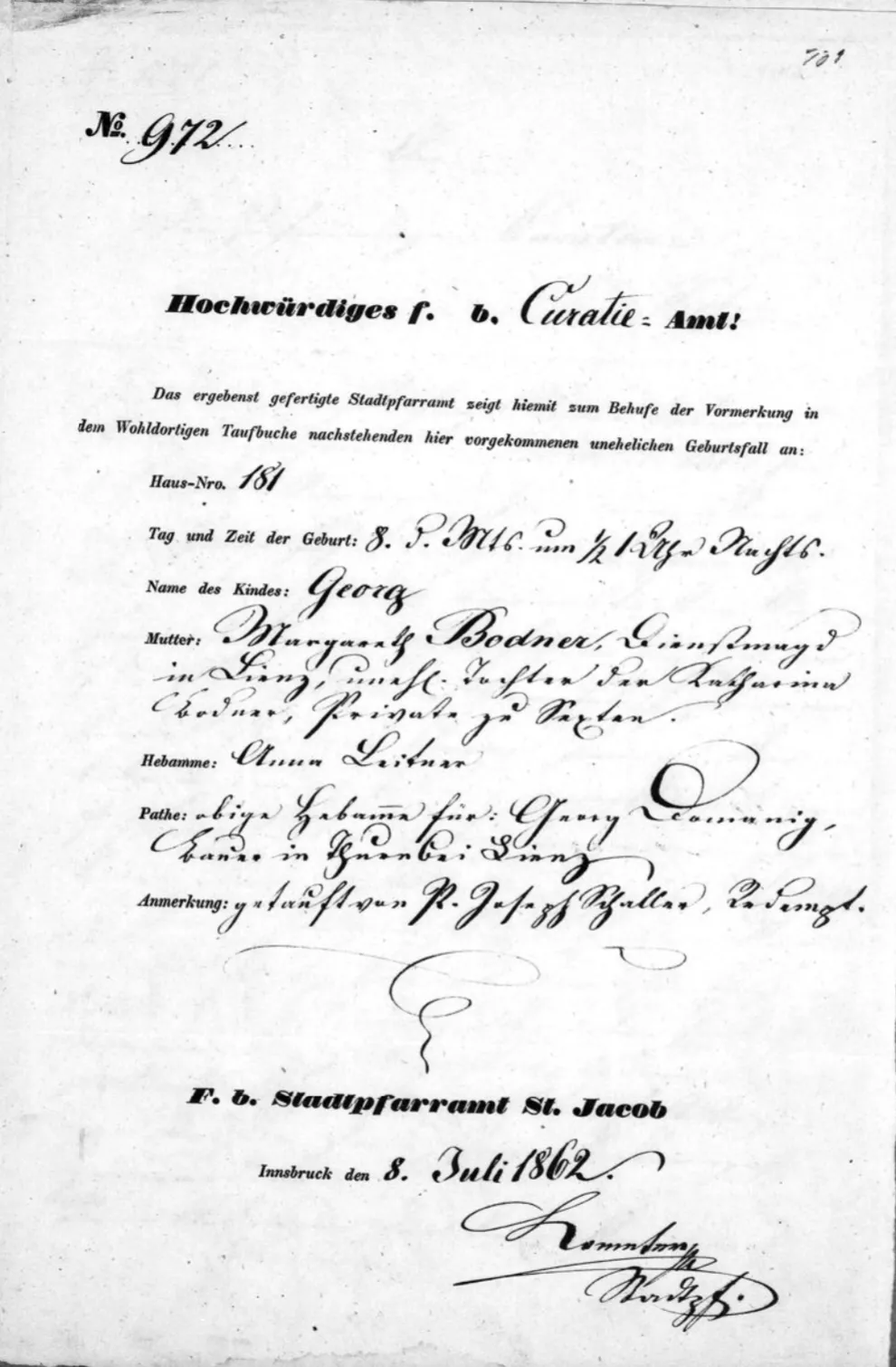
Colonial Spanish handwriting through the centuries
See how AI handles three common script types found in Spanish colonial archives.
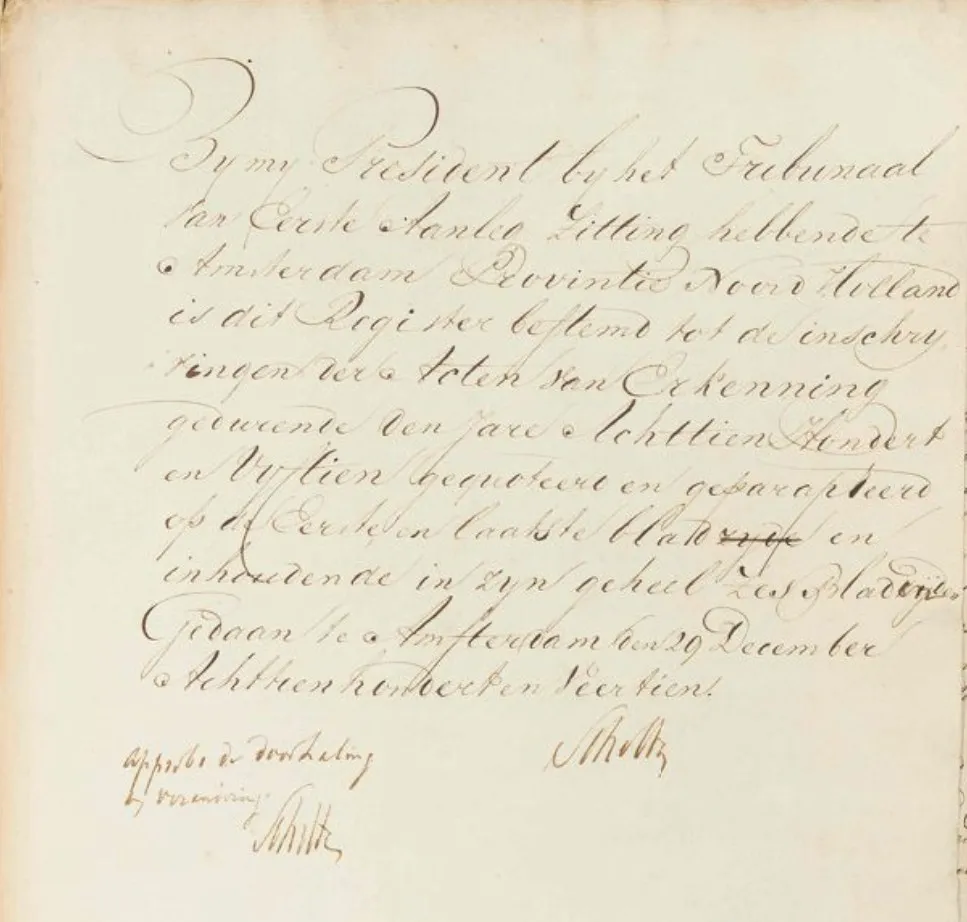
En la ciudad de México a veinte y tres días del mes de enero de mil y seiscientos y quarenta y dos años ante el señor licenciado Don Pedro de Vergara Gabiria oydor de esta Real Audiencia y juez comisario de las composiciones de tierras y aguas de esta Nueva España pareció Don Nicolás de los Ángeles cacique y gobernador del pueblo de Xochimilco y presentó una petición
Procesal script — the dominant legal hand in colonial courts and administration. Extreme ligatures and abbreviations make it one of the hardest scripts to read.
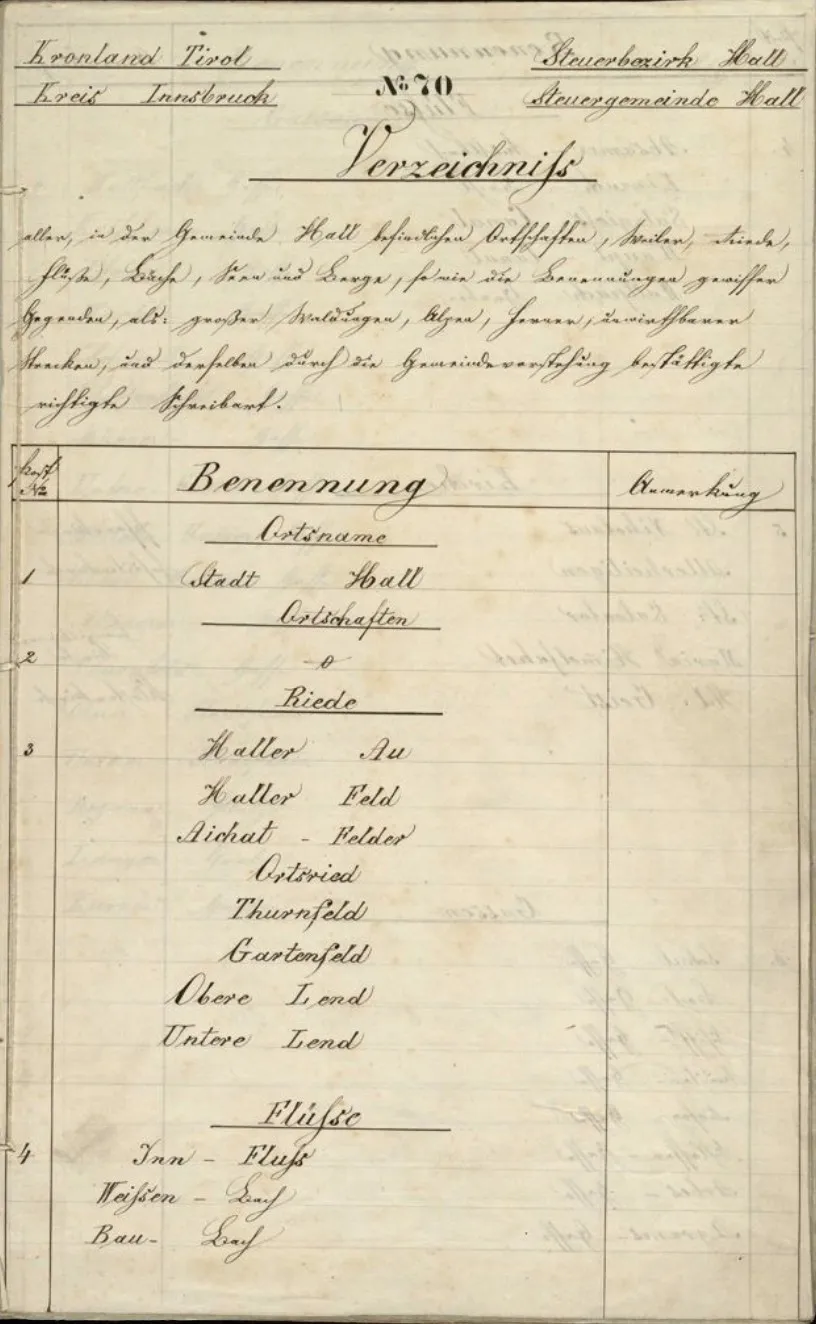
En esta Iglesia Parroquial del Sagrario de la Santa Iglesia Cathedral de la ciudad de Lima en diez y ocho días del mes de septiembre de mil setecientos y treinta y quatro años yo el cura rector baptizé solemnemente puse óleo y chrisma a María Josepha hija legítima de Don Antonio de Salazar y de Doña Francisca Ramírez fue su madrina Doña Catalina de Mendoza
Cortesana script — the chancery hand used in royal and ecclesiastical documents. More legible than procesal, with decorative flourishes.
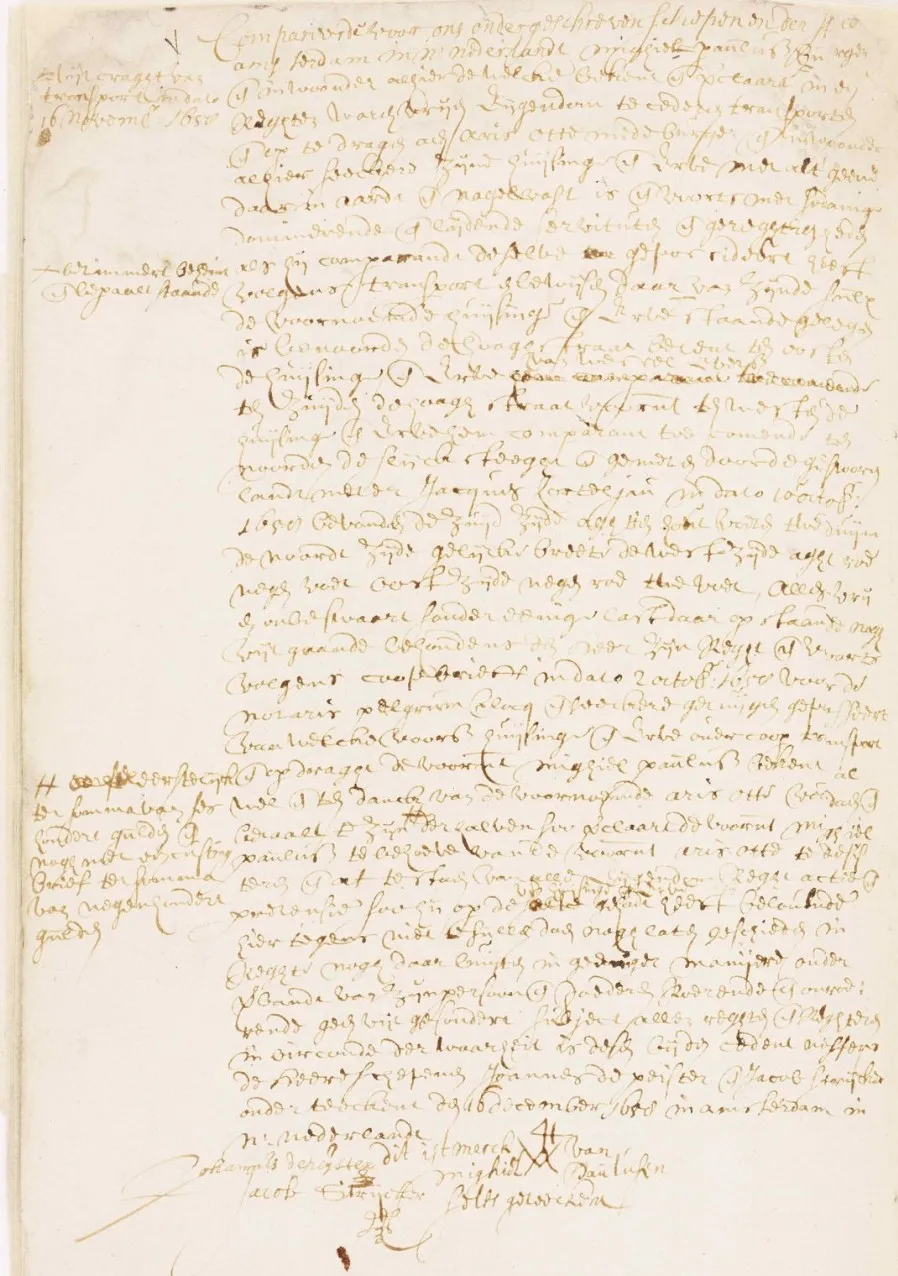
Número trescientos cuarenta y dos. En la ciudad de Guadalajara a los quince días del mes de marzo de mil ochocientos sesenta y siete ante mí el Escribano Público y testigos compareció Don José María Rodríguez vecino de esta ciudad a quien doy fe conozco y dijo que vende al Señor Don Francisco Gutiérrez un sitio de ganado mayor ubicado en la jurisdicción de Tepic
19th-century bastardilla cursive — the most readable colonial hand, but still uses abbreviation conventions that trip up modern readers.
What Transkribus handles
Colonial Spanish documents bring unique challenges. Here is how Transkribus addresses them.
Procesal script
The most difficult colonial hand — extreme ligatures, compressed letterforms, and radical abbreviation. AI models trained on real procesal manuscripts.
Colonial abbreviations
Scribes abbreviated heavily to save paper and time. Transkribus expands standard colonial abbreviations automatically during recognition.
Latin passages
Church records mix Spanish and Latin freely — sacramental formulas, legal citations, and ecclesiastical terminology. AI handles both languages in the same document.
Faded ink & damage
Tropical and subtropical archives suffer from humidity, insects, and ink corrosion. Image preprocessing and confidence scoring help you work with degraded originals.
Tabular registers
Census records, tribute rolls, and parish registers often use multi-column table layouts. Automatic layout analysis detects rows and columns.
Multi-language documents
Colonial records include Nahuatl, Quechua, Maya, Tagalog, and other indigenous terms alongside Spanish. AI transcribes them phonetically as written.
How to transcribe your colonial records
From scanned image to searchable text in three steps.
Upload your documents
Upload scans, microfilm digitisations, or smartphone photos. Transkribus works with any image format — including FamilySearch downloads.
Choose a model
Pick from pre-trained models for colonial Spanish scripts — or train a custom model on 25–75 pages of your own collection for the best accuracy.
Export your transcriptions
Download as searchable PDF, Word, plain text, or structured data. Search across all your transcribed documents by name, place, or date.
Related guides
Explore transcription guides for specific record types found in colonial archives.
Church Records
Parish registers — baptisms, marriages, and burials across colonial Latin America and the Philippines.
Vital Records
Civil registry certificates — births, deaths, and marriages from the 19th century onward.
Land Deeds
Property transfers, land grants, and mercedes de tierra from colonial and post-colonial periods.
Immigration Records
Ship manifests and passenger lists tracing movement between Spain and the colonies.
Start transcribing your colonial records
Join 500,000+ users already using Transkribus for handwritten text recognition. Start with free credits and explore public models for colonial Spanish scripts.
50 free credits every month · No credit card required