Skip to content
  • Pricing

Transcribe Birth, Marriage, and Death Certificates with AI

Extract names, dates, and places from handwritten civil registration certificates in minutes. Handles pre-printed forms across 100+ languages and centuries of records.

Birth CertificatesMarriage RecordsDeath CertificatesFree to Try

Drag an image here

Select a file...

PNG or JPG up to 10 Mb

Wolpi
AI Assistant

By uploading an image, you accept our terms and privacy policy.

Trusted by 500,000+ users worldwide — 200M+ pages processed

500K+
Users worldwide
200M+
Pages processed
300+
Public AI models
100+
Languages and scripts

The problem

Why civil registration handwriting is so hard to read
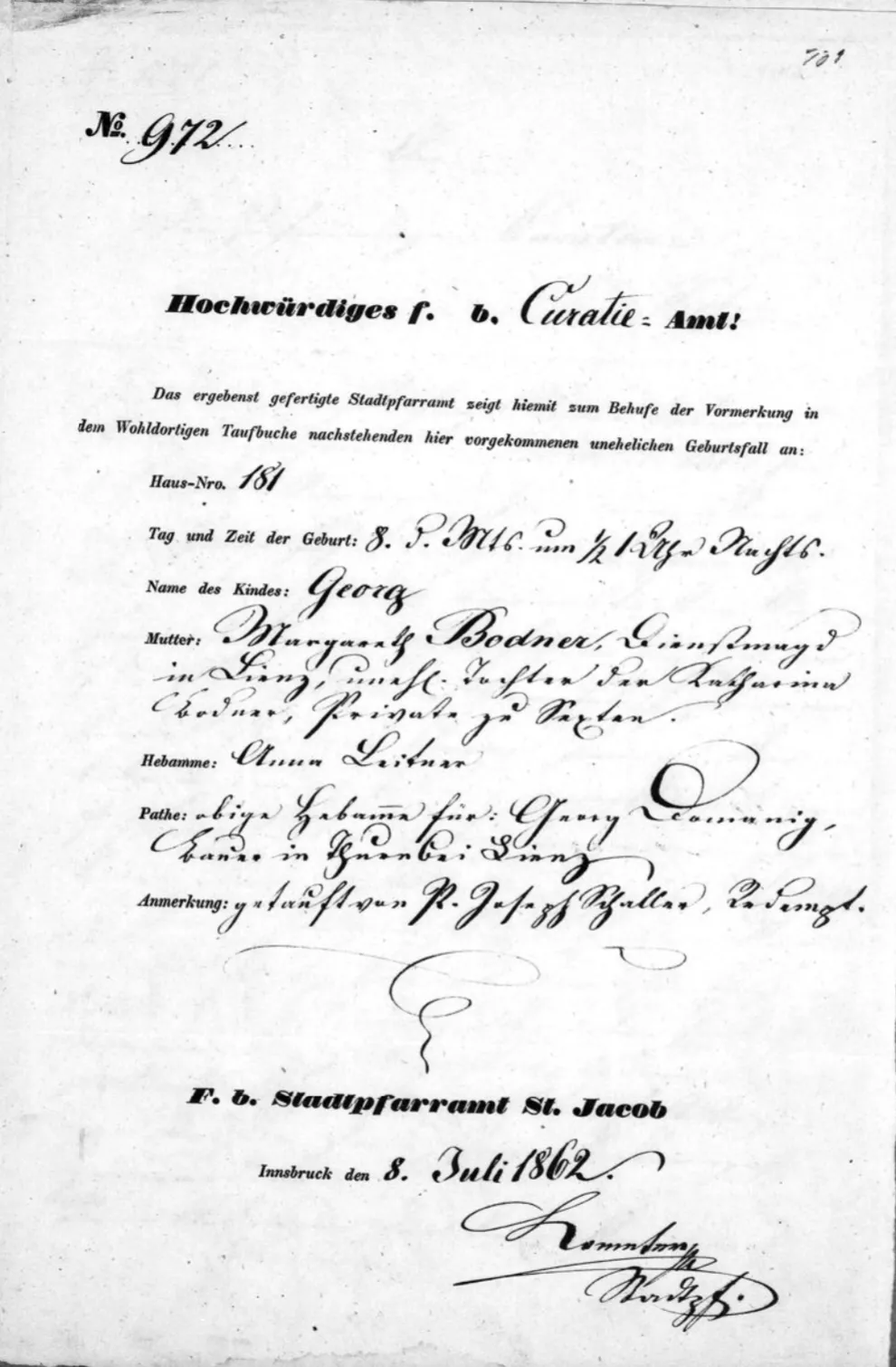
Birth, marriage, and death certificates present a unique challenge: pre-printed forms filled in by hand. The printed text gives structure, but the handwritten entries — the actual genealogical data — are often rushed, abbreviated, and written in scripts that change across countries and centuries. A German Standesamt birth register from 1880 uses Kurrent in pre-printed Gothic Fraktur fields. A French acte de naissance uses flowing cursive crammed into tiny boxes. An Italian atto di nascita may run to a full page of dense narrative handwriting. And that's before you account for fading ink, rubber stamps, and marginal annotations added years later.
Pre-printed forms with handwritten entries — standard OCR reads the printed text but fails on the handwriting that matters
Multi-language certificates: German Kurrent, French cursive, Italian notarial hand, Latin annotations — each requires different script knowledge
Abbreviations everywhere: 'geb.' for geboren, 'dcd.' for deceased, 'b.' for born — registrars saved time, you lose it
Marginal notes, stamps, and later additions that overlay the original entries
Bound registers with tight gutters, faded ink, and pages that resist flat scanning
Historical birth certificate from Stadtpfarramt St. Jacob, Innsbruck 1862

The solution

AI-powered vital records transcription across countries and centuries
Transkribus uses handwritten text recognition (HTR) trained on millions of historical document pages — including civil registration certificates from across Europe and beyond. Unlike standard marriage certificate OCR or generic document scanning, Transkribus learns the specific patterns of registrar handwriting: the cramped entries in pre-printed fields, the formulaic language, the abbreviations unique to each country's civil registration system. Upload a scan or photo of your certificate, select a model, and get searchable text back in minutes.
300+ public models — including models trained on civil registration documents from Germany, France, Italy, the Netherlands, and more
Reads both the pre-printed form text and the handwritten entries, preserving layout and field structure
Handles death certificate handwriting, birth register transcription, and marriage records across 100+ languages
Confidence scores on every line — so you know which names and dates to double-check
Export as plain text, searchable PDF, or structured XML for genealogy databases like GEDCOM-compatible tools
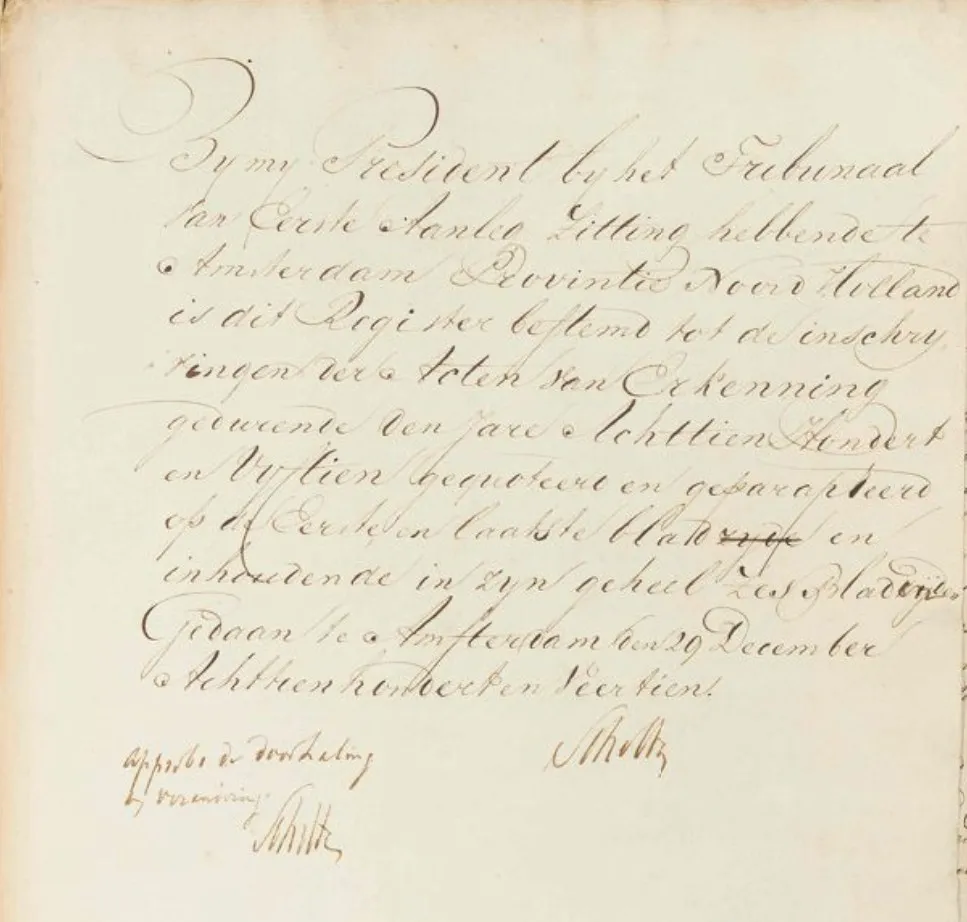
Official Dutch civil registration document with formal handwriting

How to transcribe a vital record in 4 steps

Upload your document

Take a photo with your phone or upload a scan. Transkribus accepts JPG, PNG, PDF, and TIFF — including multi-page civil registers.

Select an AI model

Choose from 300+ public models. Filter by language, century, and script type to find the best match for your certificate or register.

Run text recognition

Click 'Recognise' and let the AI work. A single certificate takes about 30 seconds. Entire civil registers can be batch-processed.

Review and export

Check the transcription against the original image. Fix any errors in the built-in editor, then export as text, PDF, or XML for your genealogy research.

Models for vital records

AI models trained on birth registers and civil registration documents
Transkribus's public model catalog includes models built specifically for the scripts and document types found in civil registration records. Many were trained by archivists and genealogists on real certificate collections, so they understand the pre-printed form layouts, registrar abbreviations, and country-specific script variations that generic OCR tools miss entirely.
German Standesamt records: Kurrent and Sütterlin models covering civil registration from 1876 onward
French etat civil: Models trained on actes de naissance, mariage, and deces from the Revolution forward
Italian stato civile: Models for Napoleonic-era and post-unification civil registers
Dutch burgerlijke stand: Models for 19th and 20th-century civil registration records
UK and US certificates: Models for Victorian-era and early American vital records
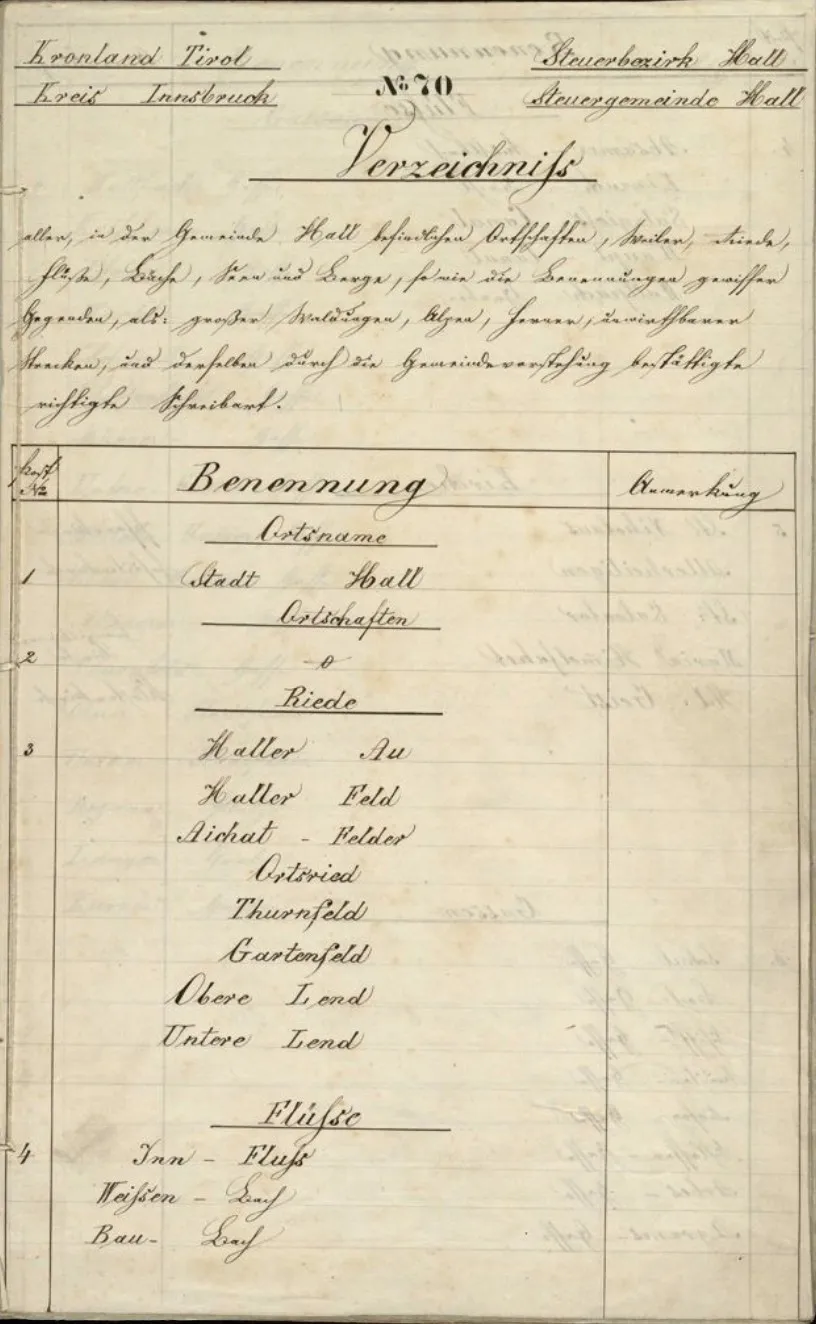
Historical civil register with structured entries and official annotations

See field extraction in action

Field Models detect and extract specific data fields from historical records — names, dates, locations, and relationships — precisely and at scale.

Document with detected fields
Extracted Fields

Frequently Asked Questions

Transkribus handles pre-printed forms well because it recognises both printed text and handwriting simultaneously. On well-preserved 19th and 20th-century civil registration certificates, our best models achieve 95%+ character accuracy. The pre-printed structure actually helps the AI by providing consistent layout cues. Every line comes with a confidence score so you can see which entries need manual review.
Yes. Many civil registration documents mix languages — for example, a certificate from Alsace might have French pre-printed text with German handwritten entries, or an Austrian certificate might combine German and Latin. Transkribus has models trained on multilingual documents, and you can select models that match the specific language combination in your records.
The process is the same: upload, select a model, and run recognition. Individual certificates are typically single pages, while bound civil registers can be uploaded as multi-page PDFs and batch-processed. Transkribus automatically detects the layout on each page, whether it's a single certificate or a register page with multiple entries in rows.
Transkribus supports vital records from virtually any country because it works with 100+ languages and scripts. The public model catalog includes models specifically trained on civil registration documents from Germany, France, Italy, the Netherlands, Austria, the UK, the US, Spain, Poland, and many more. If your specific country isn't covered, you can train a custom model on 50-100 pages of your documents.
Yes. The AI models cover certificates from the earliest civil registration systems (late 1700s in France, mid-1800s in Germany and Italy) through to 20th-century records. Older certificates with more difficult handwriting may benefit from specialised models, while modern certificates with clearer handwriting typically achieve very high accuracy with general-purpose models.
Yes. You can export transcriptions as plain text, searchable PDF, DOCX, PAGE XML, ALTO XML, TEI-XML, CSV, or Excel. The CSV and Excel formats are especially useful for building structured databases of names, dates, and places extracted from certificates. The structured XML formats preserve coordinates and layout information.
Transkribus gives you 50 free credits every month — enough to transcribe about 50 pages of certificates. No credit card required. If you need more volume for large civil register collections, paid plans start at affordable rates. See our plans and pricing page for details.
EUAT

Your documents, your data, your control.

Transkribus is built and hosted in Europe by a cooperative of 250+ institutions. Your data stays yours.

Full data ownership

Your documents and transcriptions belong to you. Delete anytime.

Hosted in Europe

All processing on our own servers in Austria. GDPR-compliant. No Big Tech dependencies.

Built for the long term

A cooperative, not a startup. 250+ co-owners ensure Transkribus will be here for years to come.

Related guides

Explore more genealogy record types

Vital records are just one piece of the puzzle. Explore our other record-type guides: Church records · Census records · Military records · Wills & probate · Immigration records · Land deeds
Various genealogical record types

Ready to unlock your vital records?

Create a free account and start transcribing birth, marriage, and death certificates today. 50 free credits every month — no credit card required.

50 free credits every month — No credit card required

200M+Pages processed
500K+Users worldwide
300+Public AI models