Transkribus Sites
Discover manuscripts, letters, and historical records, made searchable and accessible by archives, libraries, and researchers worldwide. Create your Site →
 Netherlands
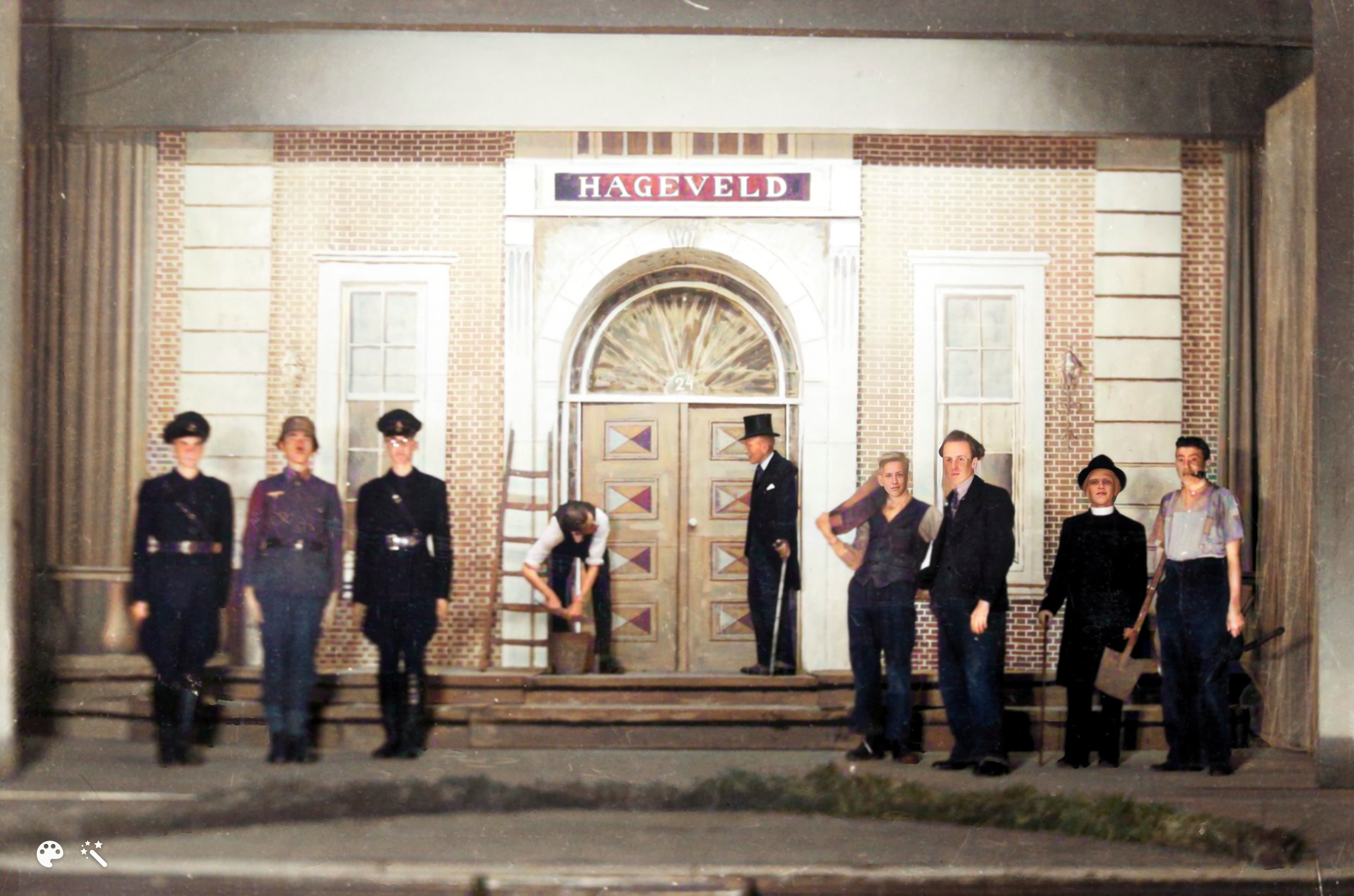
Kleinseminarie Hageveld-Heemstede
Privéarchief Joop de Vries en Jeanne van Veen
Een kleinseminarie (ook wel klein seminarie gespeld) is een instelling van secundair onderwijs, waar de leerlingen worden voorbereid op de eigenlijke prieste...
Published Apr 2026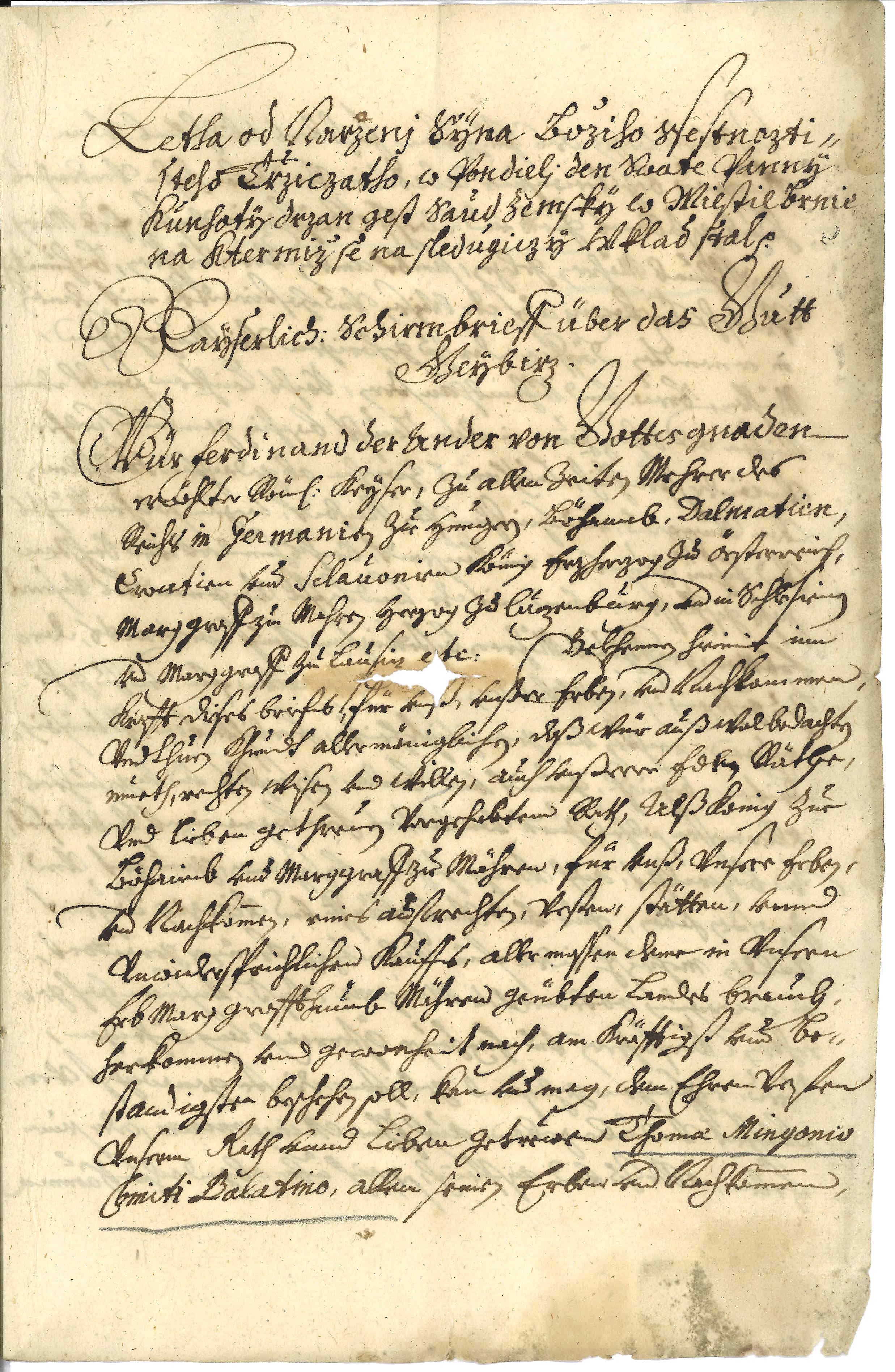
Privatarchiv Johannes Georg Schwarz
This private collection contains historical sources mainly concerning South Moravia.
Published Nov 2023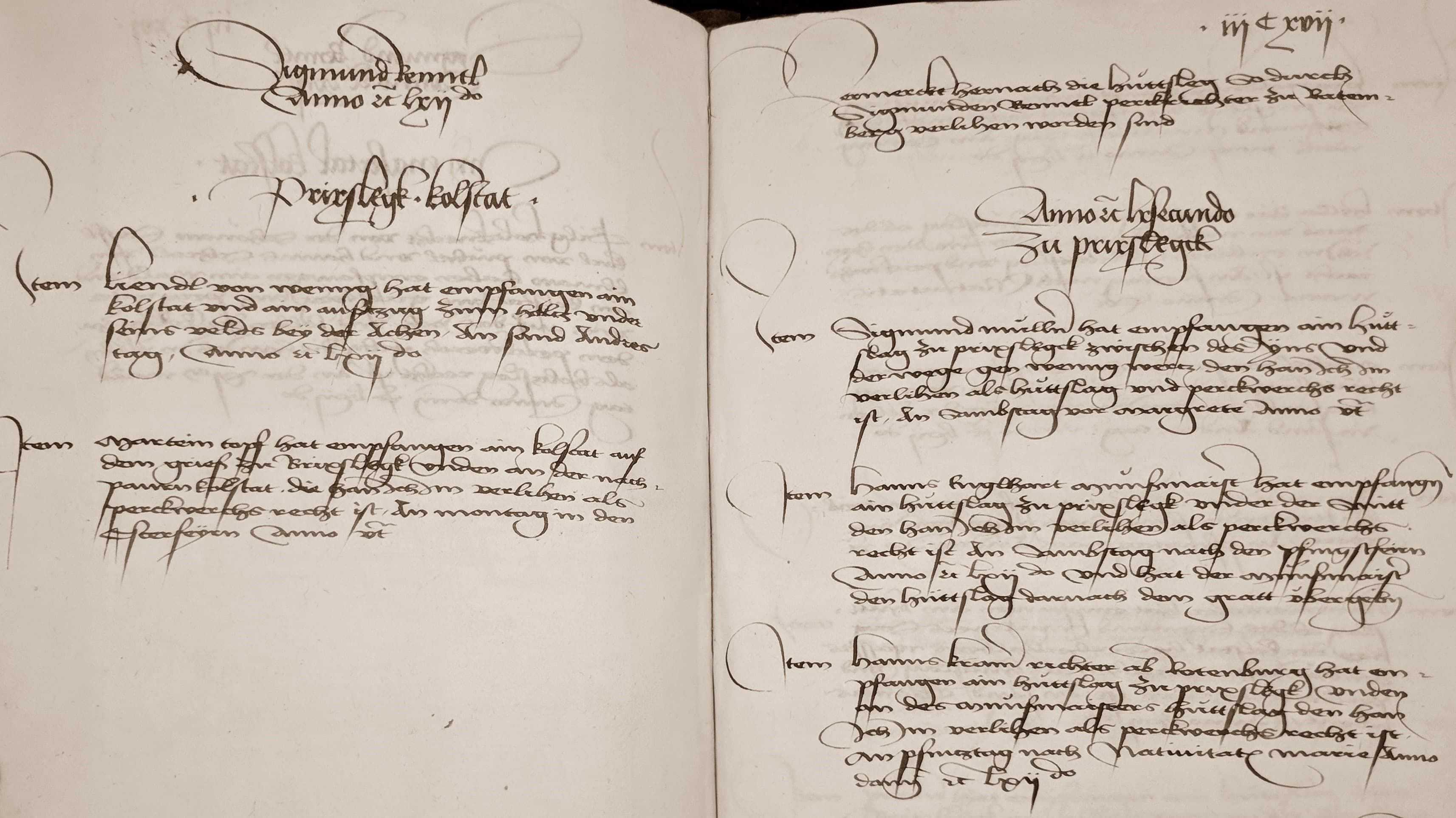 Austria
Mining Hub
On this platform you may currently explore historical mining documents that focus on the mining regions of Schwaz and Rattenberg in Tyrol (Austria). 1) "Verl...
Published Nov 2024
 Brazil
Muitas Mãos e Várias Penas
Projeto de Ciência Cidadã para a criação de um modelo em Português para reconhecimento de extratos dos Cadernos do Promotor e Processos da Inquisição Portugu...
Published Mar 2024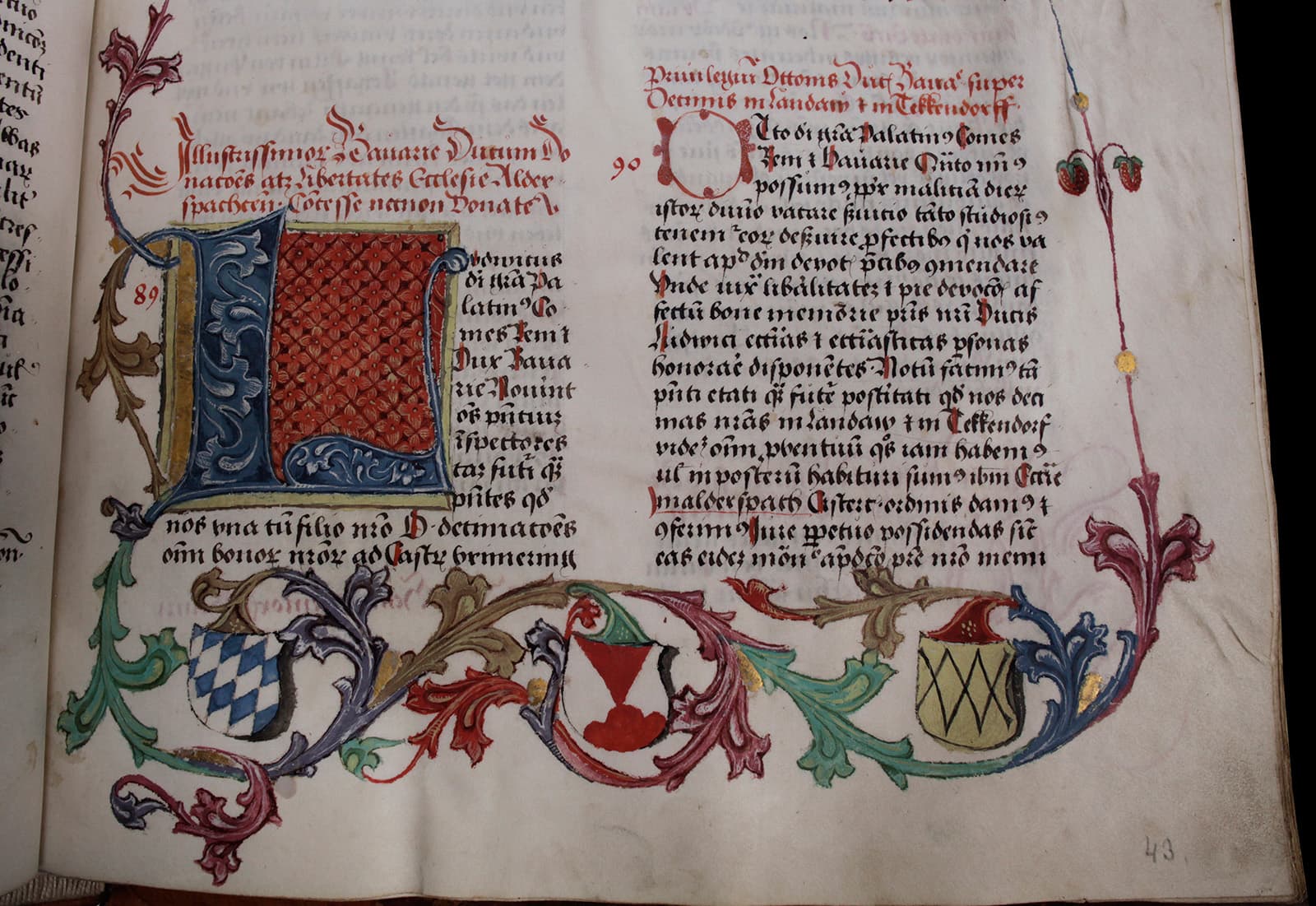 Germany
Kloster Aldersbach Digital
Published Jan 2024
 Netherlands
Transcripties van het Noord-Hollands Archief
Questions? inlichtingen@noord-hollandsarchief.nl
Published May 2024

Edition - Dr Rıza Nur - Ermeni Tarihi (Armenian History) - 1914-1923
Published Jun 2026
 Austria
A Woman's Journey Round the World by Ida Pfeiffer
Austrian National Library
Welcome!Explore our digital scholarly edition produced as part of the course From Text to Pixel: Digitization, Digital Editions, On-Site Practice, held at Ce...
Published Oct 2025
 New Zealand
New Zealand Alpine Club
New Zealand’s alpine heritage at your fingertipsPicture by Peter Laurenso: Aoraki/Mt. Cook
Published Oct 2024
 United Kingdom
Marjory Fleming (1803-1811)
Majory Fleming (1803-1811) was a Scottish child author, born in Kirkcaldy, Fife, who became posthumously famous for her free-thinking and precocious diaries....
Published Nov 2024
Michał Kazimierz Radziwiłł Rybeńko / diariusz
Hi, I am dr. in history Vika Veličkaitė and I am publishing here the transcription drafts of the diary written by Michał Kazimierz Radziwiłł Rybeńko, written...
Published Jul 2025
 Germany
Enlightenment Suppressed
This site contains manuscripts that document the successful efforts to stifle the Enlightenment in late eighteenth-century Germany.
Published Jan 2024How to Create a Transkribus Site
From scanned documents to a fully searchable online edition in four steps. No coding required.
Upload & Transcribe
Upload your scanned documents to Transkribus and use AI text recognition to generate searchable transcriptions. Works with handwriting, print, and tables.
Enrich & Organise
Tag persons, places, and dates. Build document hierarchies, correct transcriptions, and structure your collection into browsable categories.
Design your Site
Use the built-in CMS to create a Home page, an About page with drag-and-drop content blocks, custom modules, and multilingual support with a language toggle. Apply your institution's branding, colours, and footer links.
Publish & Explore
Connect your collection, select a subscription plan, and publish. Visitors get full-text search with fuzzy matching, tag-based browsing, document hierarchy navigation, and a high-resolution viewer.
Everything You Need to Publish Online
Transkribus Sites is a purpose-built platform for publishing digitised document collections. Powered by AI handwritten text recognition, it turns scanned manuscripts, letters, and archival records into fully searchable digital scholarly editions, accessible from any device.
No Exports, No Migration
Transkribus Sites connects directly to your Transkribus collections. Train AI models, transcribe handwritten text, and tag entities, then publish with one click. Connect multiple collections to a single Site. Every update you make in Transkribus is reflected live.
Full-text Search
Visitors can search every transcribed page with powerful fuzzy matching that handles historical spelling variants, abbreviations, and OCR imperfections. Results link directly to the matching page and highlight the search term in context.
Tags & Document Hierarchies
Named-entity tags (persons, places, dates) let visitors browse and filter your collection. Document hierarchies provide structured, folder-like navigation so users can explore large archives by series, volume, or any custom structure you define.
Built-in CMS
Create a Home page with background images and descriptions, an About page with drag-and-drop content blocks (text + image layouts), and your own custom modules. Rearrange content blocks to build the narrative that fits your project.
Multilingual Support
Add multiple interface languages with a built-in language toggle. Translate all UI text, page content, and metadata through a key-value editor. Preview translations instantly to ensure your Site works for an international audience.
Branding, Analytics & Collaboration
Apply your institution's colours, logo, and footer links. Track visitor behaviour with built-in analytics. Invite team members as Site collaborators with controlled access so multiple people can manage content and settings.
Want to publish your own digital collection?
Create a searchable online edition of your handwritten documents with Transkribus Sites. Used by state archives, university libraries, and cultural heritage institutions across 20+ countries.
Frequently Asked Questions
Do I need to export documents before publishing them on a Site?
No. Transkribus Sites ties in seamlessly with your Transkribus collections. You don't need to export documents. Just connect your collection and publish.
Can I continue editing after publishing?
Yes. You can continue working on your collection in Transkribus. Any changes (corrected transcriptions, new documents, updated tags) will be reflected on your Site once you re-publish.
Is Transkribus Sites customisable for my institution?
Yes. You can customise the visual appearance (colours, logo, background images), add multilingual content pages, and configure which metadata fields are displayed. Advanced technical customisations are available on request.
Can tags and annotations be displayed?
Yes. Tags created in Transkribus (such as person names, places, and dates) can be browsed and searched on your published Site, enabling structured exploration of your collection.