Skip to content
  • Pricing

Transcribe Military Records for Genealogy with AI

Service records, pension files, and muster rolls — handwriting on faded forms, decoded by AI in minutes. From Civil War files to WWII discharge papers.

Military RecordsPension FilesMuster RollsFree to Try

Drag an image here

Select a file...

PNG or JPG up to 10 Mb

Wolpi
AI Assistant

By uploading an image, you accept our terms and privacy policy.

Trusted by 500,000+ users worldwide — 200M+ pages processed

500K+
Users worldwide
200M+
Pages processed
300+
Public AI models
100+
Languages and scripts

The problem

Why military service record handwriting is so hard to read
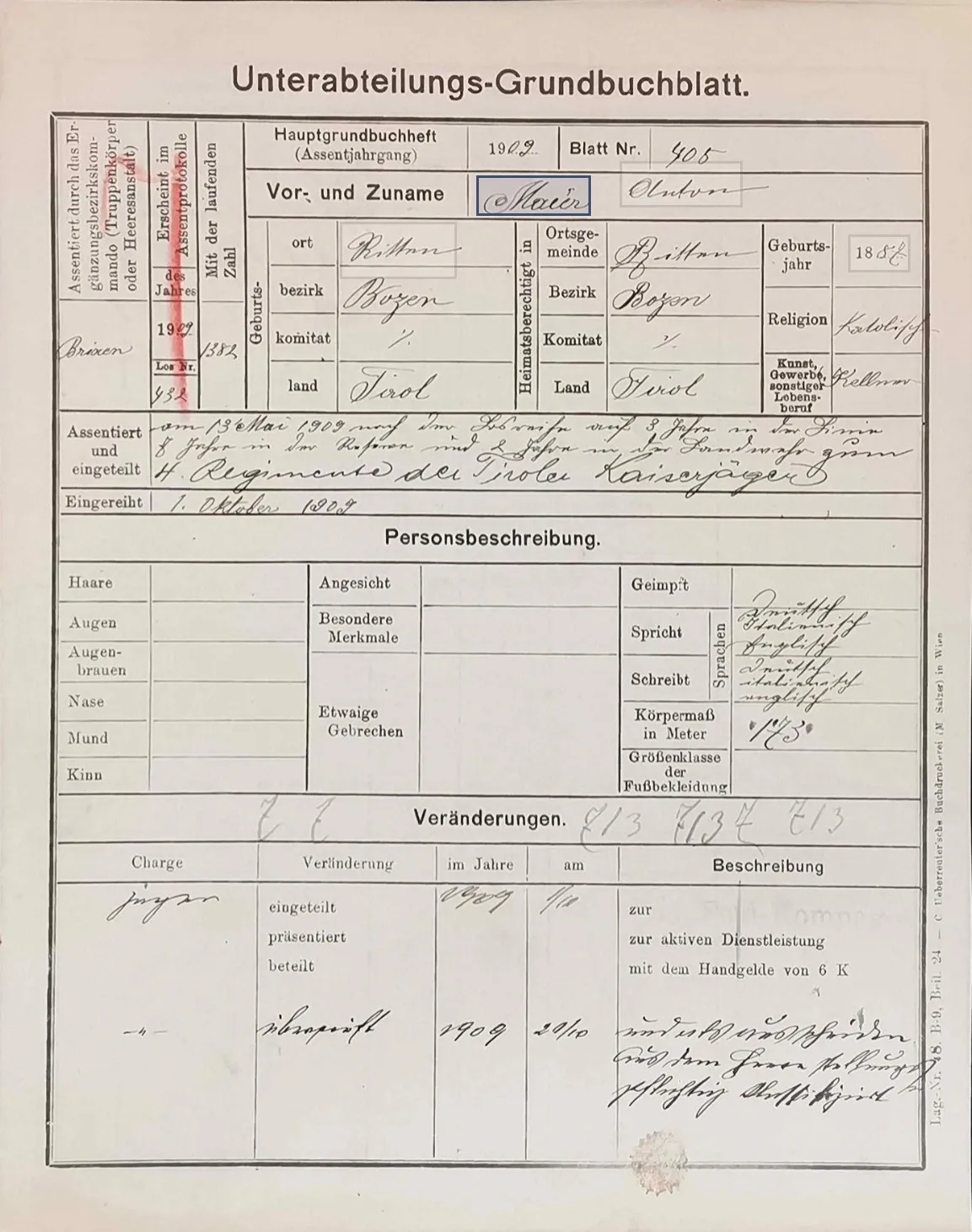
Military records present a unique transcription challenge: they mix printed form fields with handwritten entries, often filled out hastily in field conditions. NARA holds over 60 million military service records spanning the Revolutionary War through the 20th century. Civil War pension files alone fill 36,000 cubic feet of storage — and a single soldier's pension file can run to 75 pages or more. The 1973 fire at the National Personnel Records Center destroyed approximately 16–18 million records, meaning many surviving documents show fire, smoke, and water damage.
Mixed handwritten and printed forms — handwriting crammed into small pre-printed boxes and lines
Multiple hands per file: clerks, officers, surgeons, and pension examiners each with different handwriting
Fire and water damage from the 1973 NPRC fire — charred edges, water stains, fused pages
Archaic military terminology and abbreviations: 'do.' for ditto, regimental designations, rank abbreviations
Muster rolls with dozens of names in tight columns, often with ink bleed and show-through
Unterabteilungs-Grundbuchblatt — Austrian military service record with structured fields

The solution

AI that reads military records across wars and countries
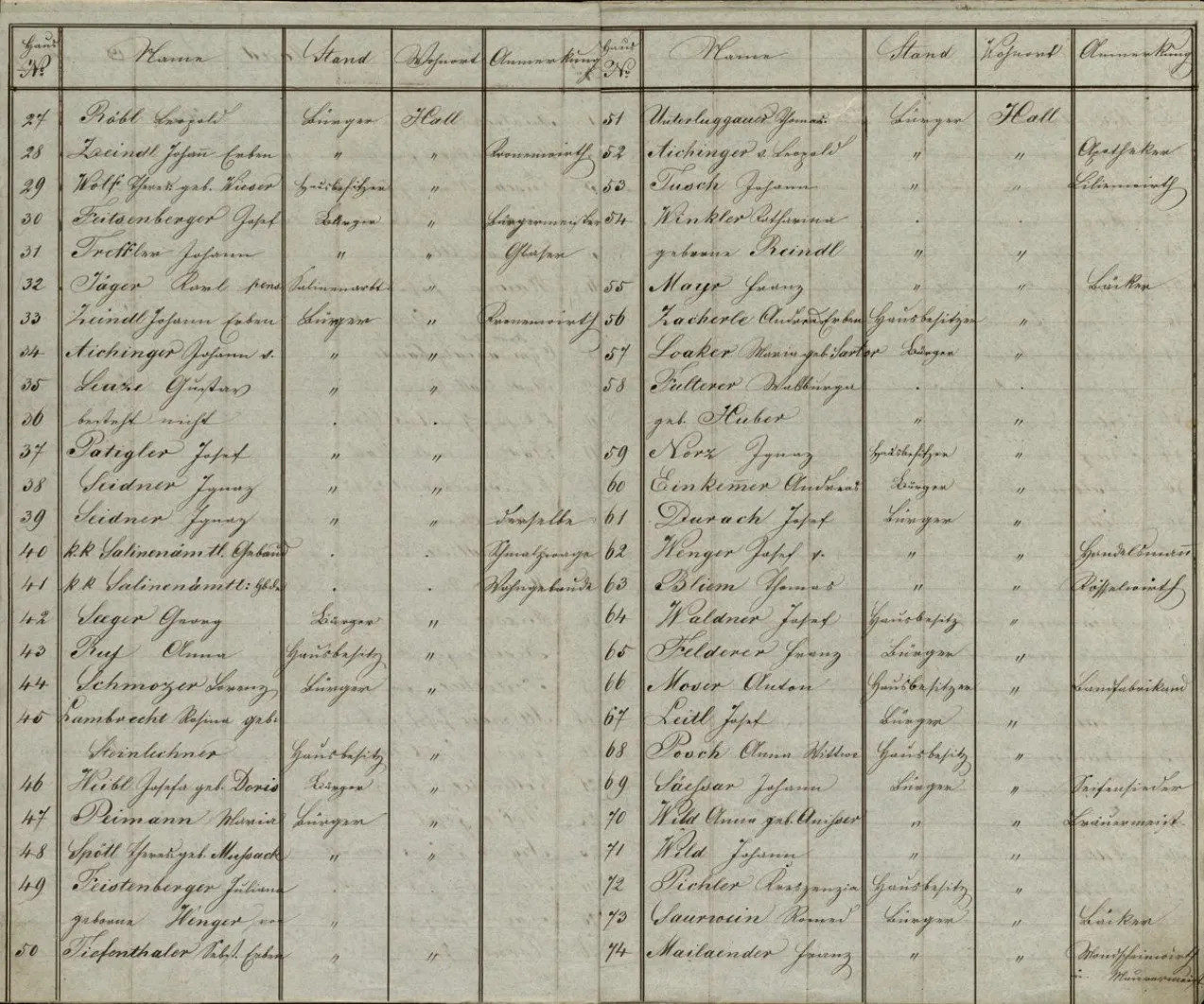
Transkribus uses handwritten text recognition (HTR) trained on millions of historical document samples. Unlike standard OCR that only reads printed text, Transkribus handles the mix of handwriting and print found on military forms — the cramped entries in pre-printed boxes, the faded ink on aging carbon copies, the varied handwriting of clerks and officers. Upload a scan or photo of your military record, select a model, and get searchable text back in minutes.
300+ public models — handles handwriting on forms from the Civil War through WWII and beyond
Reads both handwritten entries and printed form text simultaneously
Handles damaged and degraded documents — including fire-affected records from the 1973 NPRC fire
Confidence scores on every line — so you know which entries need manual verification
Export as plain text, searchable PDF, or structured XML for your genealogy database
Historical tabular record with handwritten names and ranks in columns

How to transcribe a military record in 4 steps

Upload your document

Upload scans from NARA, Fold3, or your own photos. Transkribus accepts JPG, PNG, PDF, and TIFF — including multi-page pension files as a single upload.

Select an AI model

Choose from 300+ public models. Filter by language, century, and document type to find the best match for your military record's handwriting.

Run text recognition

Click 'Recognise' and let the AI work. A single page takes about 30 seconds. Entire pension files can be batch-processed in one go.

Review and export

Check the transcription against the original image. Fix any errors in the built-in editor, then export as text, PDF, or XML for your genealogy records.

See field extraction in action

Military records have structured fields — name, rank, unit, dates. Field Models detect and extract these elements automatically, turning handwritten service records into structured data.
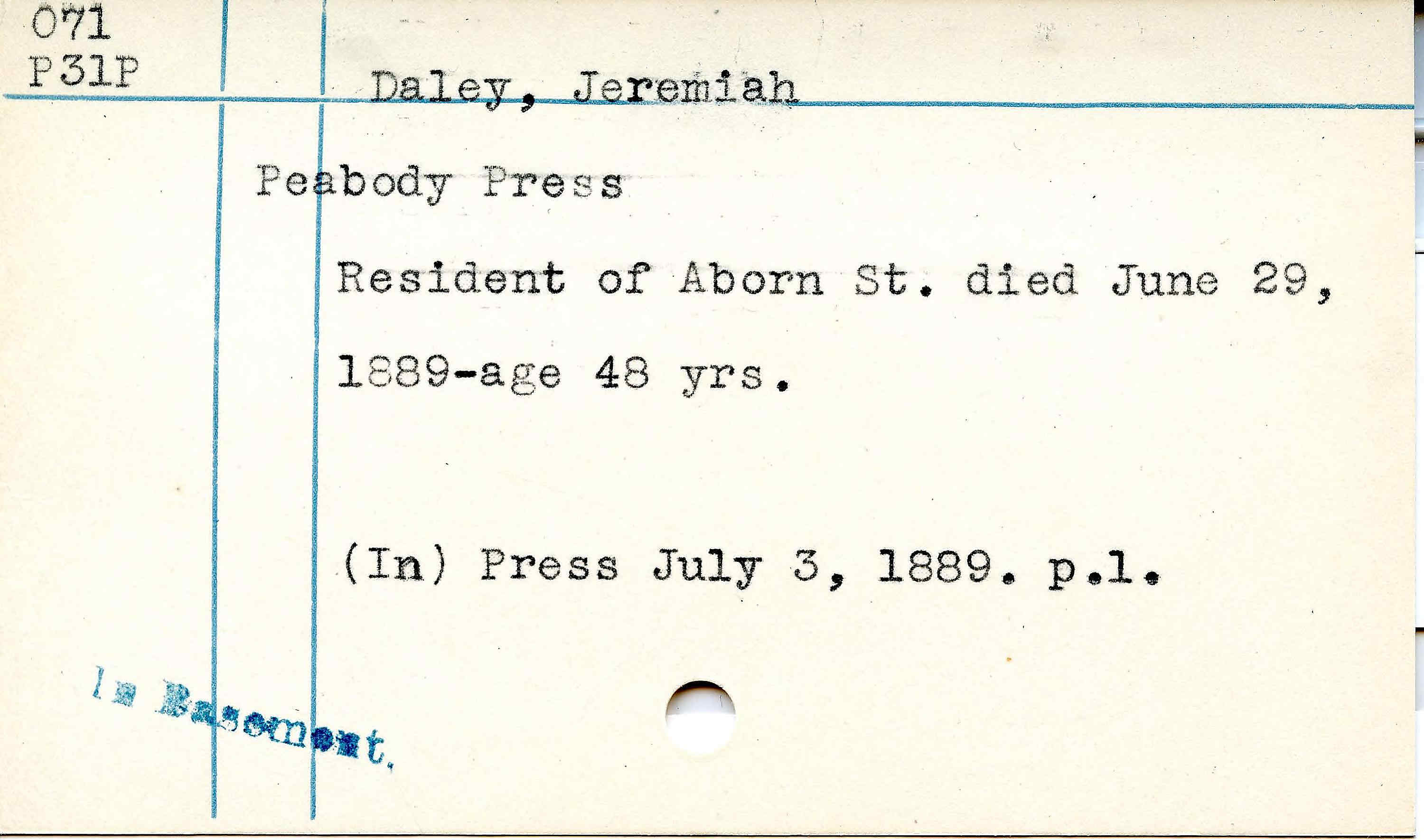
Document with detected fields
Extracted Fields

Military record types

From Civil War pension files to WWI muster roll transcription
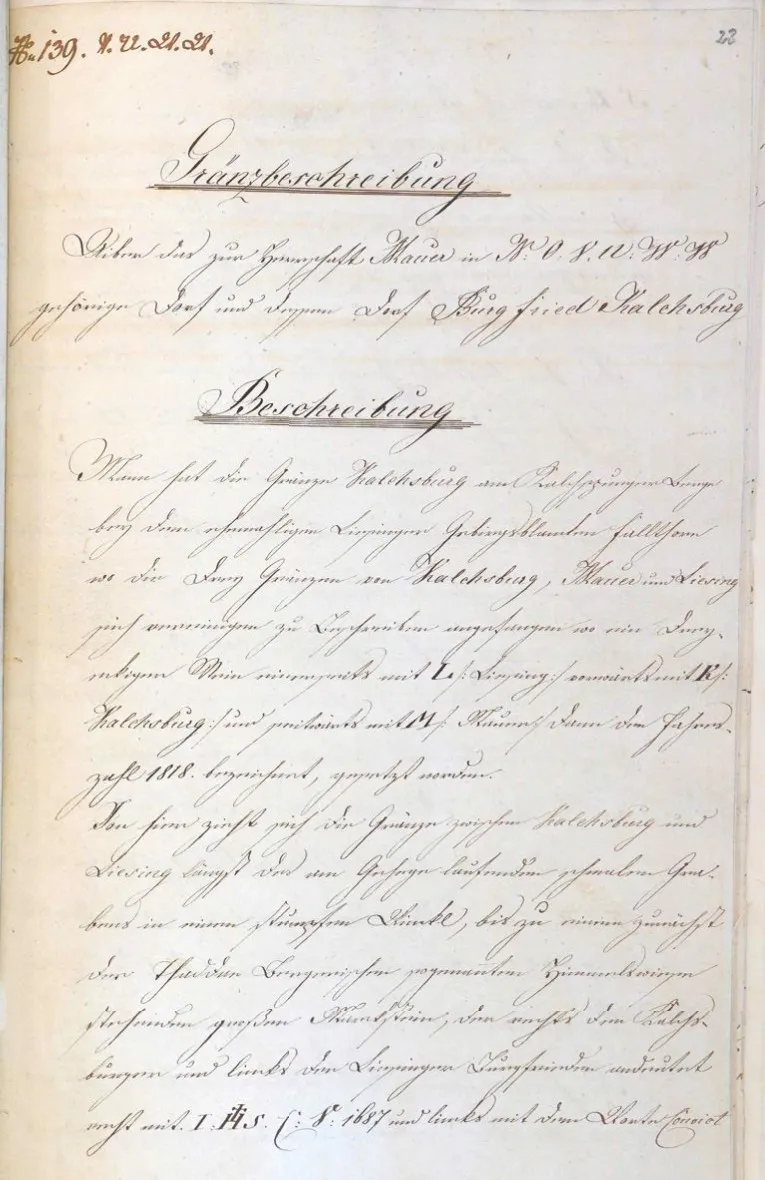
Military records span centuries, countries, and document types — each with its own handwriting challenges. Civil War compiled service records contain muster-in and muster-out rolls, casualty sheets, and prisoner of war records. WWI and WWII records include draft registration cards, enlistment records, and morning reports. European military records add another layer: German Militärpässe in Kurrent, British army service records in copperplate, and French livrets militaires in cursive. Transkribus handles them all.
US Civil War: Compiled service records, pension files, muster rolls, regimental books
WWI and WWII: Draft registration cards, enlistment records, discharge papers (DD-214s)
British military: Army service records, medal rolls, war diaries from the National Archives
German military: Militärpässe and Soldbücher in Kurrent and Sütterlin script
Damaged records: Fire-affected, water-stained, and fragile documents from the 1973 NPRC fire and other losses
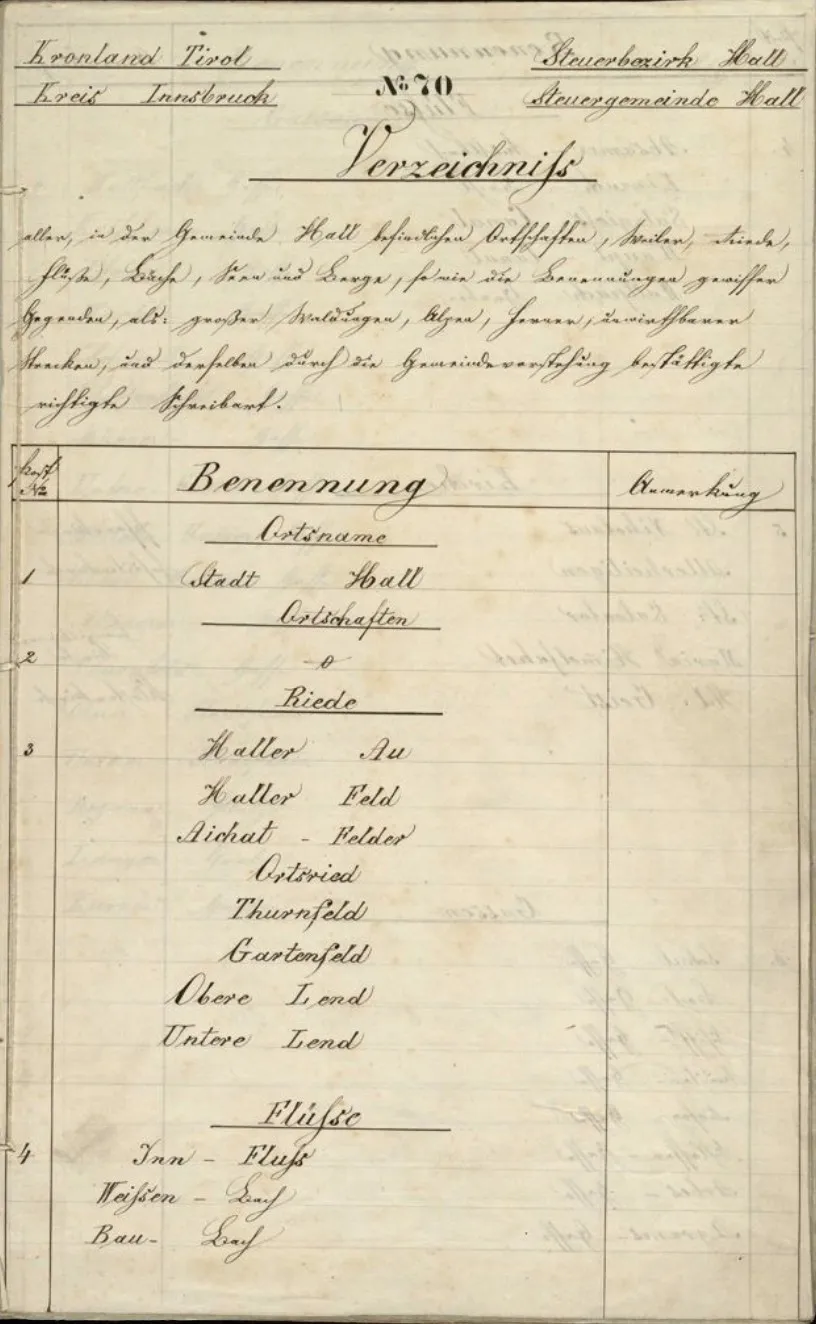
19th-century official administrative document in formal German Kurrent

Batch processing

Process entire military discharge papers and pension collections
A single ancestor's Civil War pension file can contain 75+ pages: the original application, surgeon's certificates, depositions from comrades, marriage and birth affidavits, and decades of correspondence. Transcribing this manually takes days. With Transkribus, you upload the entire file, batch-process every page, and search across the full text in minutes. Genealogy societies and historical organizations use this to process entire regimental collections, making thousands of service records searchable for their members.
Upload multi-page pension files as a single PDF and process all pages at once
Search across entire collections — find every mention of a name, regiment, or battle
Process hundreds of muster roll pages in batch to build searchable rosters
Genealogy societies can make entire regimental record sets searchable for members
Historical register with structured entries — batch processing handles entire collections

Frequently Asked Questions

Transkribus handles the mix of printed form fields and handwritten entries that characterizes military records. On clear, well-preserved records, our best models achieve 95%+ character accuracy. Damaged or heavily faded records may have lower accuracy, but every line comes with a confidence score so you can see which entries need manual checking.
Yes. Transkribus can process damaged and degraded documents, including those affected by the 1973 National Personnel Records Center fire. Accuracy will depend on the extent of damage — charred edges and water stains reduce legibility — but the AI often recovers text that is extremely difficult to read by eye.
Yes. Pension files can run to dozens of pages per ancestor. You can upload the entire file as a multi-page PDF or as individual images, then batch-process all pages with a single click. Transkribus handles the layout detection — finding text lines within printed form boxes — automatically.
Yes. Muster rolls — lists of soldiers in a company or regiment — typically feature columnar layouts with names, ranks, dates, and remarks. Transkribus's layout detection identifies these columns, and the HTR reads the handwritten entries within them. This works for Civil War muster rolls, WWI rosters, and similar tabular military documents.
Yes. German military documents — Militärpässe, Soldbücher, and service records — are often written in Kurrent or Sütterlin script. Transkribus has multiple public models specifically trained on these German handwriting styles, covering documents from the 1700s through the 1940s.
Yes. If you have downloaded digital images from Fold3, NARA's online catalog, or any other archive, you can upload them directly to Transkribus for transcription. Transkribus accepts JPG, PNG, PDF, and TIFF files from any source.
Transkribus gives you 50 free credits every month — enough to transcribe about 50 pages. No credit card required. If you need to process large pension files or entire regimental collections, paid plans start at affordable rates. See our plans and pricing page for details.
You can export transcriptions as plain text, searchable PDF, DOCX, PAGE XML, ALTO XML, TEI-XML, or CSV. The structured XML formats preserve coordinates and layout information, which is useful if you're building a database or creating indexed military record collections.
EUAT

Your documents, your data, your control.

Transkribus is built and hosted in Europe by a cooperative of 250+ institutions. Your data stays yours.

Full data ownership

Your documents and transcriptions belong to you. Delete anytime.

Hosted in Europe

All processing on our own servers in Austria. GDPR-compliant. No Big Tech dependencies.

Built for the long term

A cooperative, not a startup. 250+ co-owners ensure Transkribus will be here for years to come.

Related guides

Explore more genealogy record types

Military records are just one piece of the puzzle. Explore our other record-type guides: Church records · Census records · Vital records · Wills & probate · Immigration records · Land deeds
Various genealogical record types

Ready to unlock your ancestors' military history?

Create a free account and start transcribing service records, pension files, and muster rolls today. 50 free credits every month — no credit card required.

50 free credits every month — No credit card required

200M+Pages processed
500K+Users worldwide
300+Public AI models