Skip to content
  • Pricing

Transcribe Old Wills and Probate Records with AI

Centuries of legal handwriting, Latin formulae, and archaic abbreviations — decoded by AI in minutes. Unlock the names, heirs, and property details locked in old wills.

Wills & ProbateEstate RecordsLegal HandwritingFree to Try

Trusted by 500,000+ users worldwide — 200M+ pages processed

500K+
Users worldwide
200M+
Pages processed
300+
Public AI models
100+
Languages and scripts

The problem

Why old wills and probate records are so hard to read
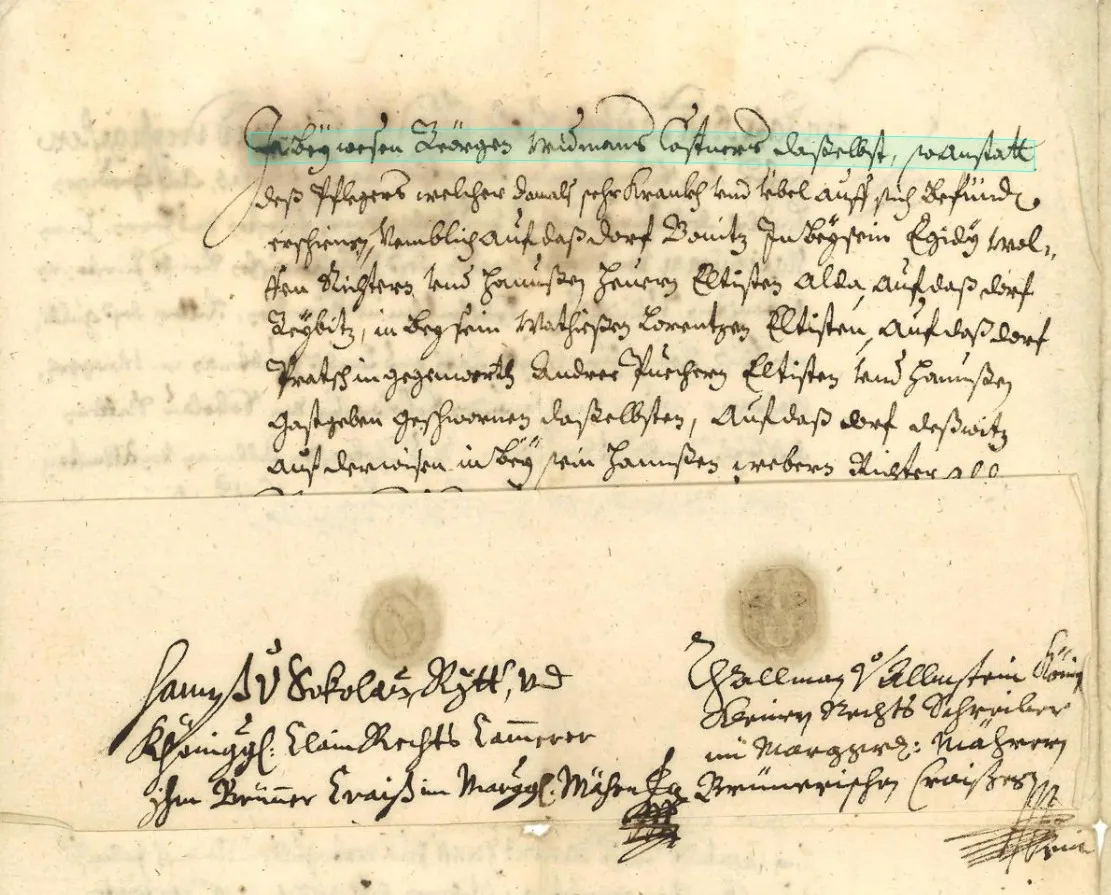
Wills and probate documents are among the richest genealogical sources — naming heirs, listing property down to individual spoons and livestock, and mapping family relationships that predate civil registration. But they are also among the most impenetrable. Before 1733, English wills were often written in Latin with secretary hand. Scottish testaments used court hand well into the 18th century. German Testamente mix Kurrent with legal Latin formulae. And every era brought its own abbreviations: 'viz.' for videlicet, 'ye' for 'the', 'sd' for 'said', and dozens more.
Secretary hand and court hand — letterforms that look nothing like modern cursive
Latin legal formulae: 'In Dei Nomine Amen', 'probatum fuit', 'bona notabilia'
Archaic abbreviations throughout: 'ye', 'sd', 'viz.', 'do.', superscript contractions
Multi-page documents with estate inventories listing hundreds of individual items
Faded ink, damaged parchment, and tightly packed text on 300–500-year-old documents
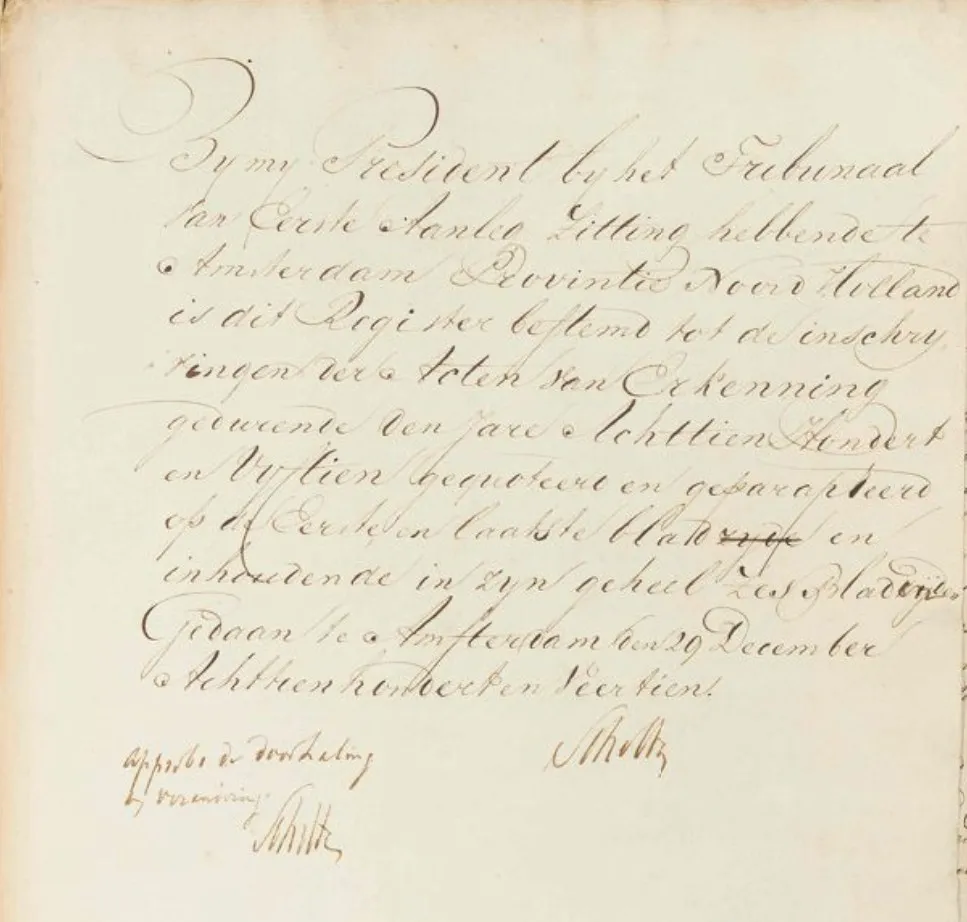
Example of difficult secretary hand in an old will

The solution

AI that reads old will handwriting across centuries
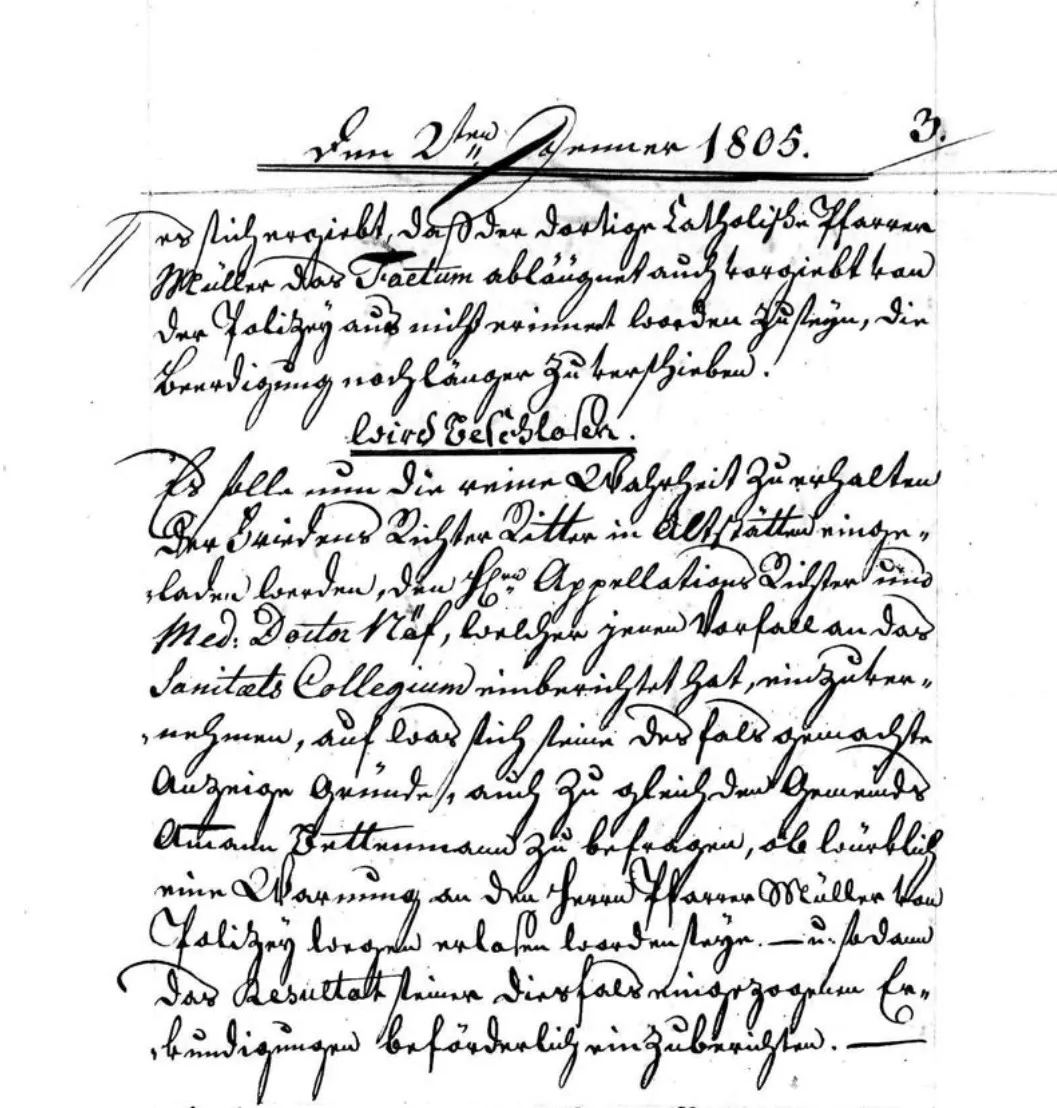
Transkribus uses handwritten text recognition (HTR) trained on millions of historical document samples — including legal documents, wills, and court records. Unlike standard OCR, which fails on connected cursive and archaic letterforms, Transkribus learns how secretary hand, court hand, and legal scripts work: the looped ascenders, the abbreviated Latin, the idiosyncratic contractions. Upload a scan or photo of your will or probate record, select a model, and get searchable text back in minutes.
300+ public models — including models trained on legal documents and testamentary records
Reads secretary hand, court hand, Kurrent, and 100+ historical scripts found in wills
Handles Latin legal formulae and abbreviations that generic OCR tools miss entirely
Confidence scores on every line — so you know exactly which words to double-check
Export as plain text, searchable PDF, or structured XML for your genealogy database
Transkribus transcription editor showing a probate record

How to transcribe a will or probate record in 4 steps

Upload your document

Take a photo with your phone or upload a scan from an archive. Transkribus accepts JPG, PNG, PDF, and TIFF files — including multi-page probate packets.

Select an AI model

Choose from 300+ public models. Filter by language, century, and script type to find the best match for your will's handwriting style.

Run text recognition

Click 'Recognise' and let the AI work. A single page takes about 30 seconds. Multi-page probate files can be processed in batch.

Review and export

Check the transcription against the original. Fix any errors in the built-in editor, then export as text, PDF, or XML for your genealogy records.

Models for legal documents

AI models for probate record transcription and estate inventories
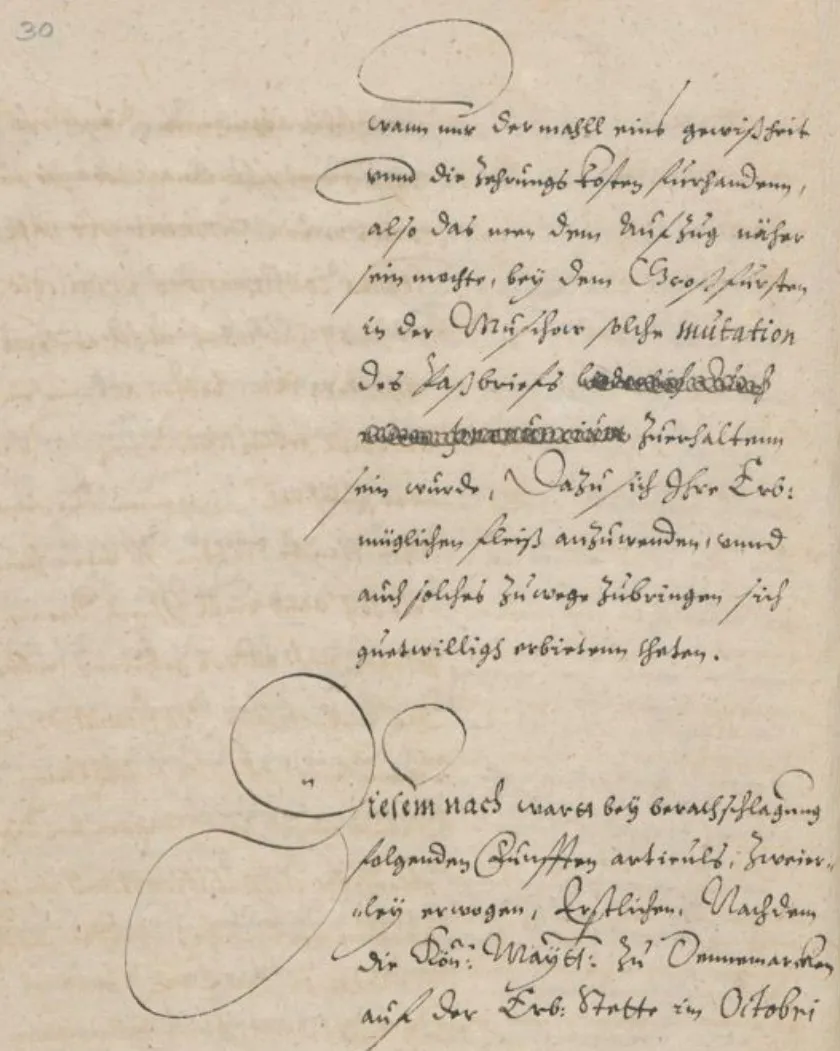
Transkribus's public model catalog includes models built for the scripts and document types found in wills and probate records. Estate inventories — detailed lists of a deceased person's possessions — are particularly rich genealogical sources, listing everything from land and livestock to household goods and debts. These documents often use tabular layouts and mix narrative text with itemized lists, which Transkribus's layout detection handles automatically.
English wills: Models for secretary hand (1500s–1700s) and later English cursive
German Testamente: Kurrent and Sütterlin models covering legal documents from the 1600s onward
Latin probate records: Models trained on ecclesiastical and civil court Latin
French testaments: Models for notarial scripts and Ancien Régime legal hands
Estate inventories: Layout detection handles tabular item lists, valuations, and marginal notes
Transkribus model catalog filtered for legal document models

Structured extraction

Extract names, relationships, and bequests from wills with field models
Beyond plain transcription, Transkribus field models can extract structured data directly from wills — pulling out testator names, heir names, relationships, bequests, property descriptions, and dates into organized fields. Instead of reading through pages of archaic legal prose, you get a structured summary: who left what to whom. This is especially powerful when processing multiple wills from the same parish or court, turning unstructured handwriting into a searchable database of family connections.
Extract testator name, executor, witnesses, and beneficiaries automatically
Identify bequests and property descriptions within the document
Map family relationships: spouse, children, siblings, grandchildren named in wills
Process multiple wills in batch to build a database of family connections across generations

Frequently Asked Questions

EUAT

Your documents, your data, your control.

Transkribus is built and hosted in Europe by a cooperative of 250+ institutions. Your data stays yours.

Full data ownership

Your documents and transcriptions belong to you. Delete anytime.

Hosted in Europe

All processing on our own servers in Austria. GDPR-compliant. No Big Tech dependencies.

Built for the long term

A cooperative, not a startup. 250+ co-owners ensure Transkribus will be here for years to come.

Ready to unlock your family's wills and probate records?

Create a free account and start transcribing wills, estate inventories, and probate documents today. 50 free credits every month — no credit card required.

50 free credits every month — No credit card required

200M+Pages processed
500K+Users worldwide
300+Public AI models